
by Ian Diddams
images by Richard Fletcher
How many Brontë sisters can you name? Which books did the sisters write between them? Can you name them?
Did you get that there were three sisters? That wrote seven books? You may have thought of “Jane Eyre” and “Wuthering Heights”, but what about “Agnes Grey”? Or “The Tenant of Wildfell Hall”. You may have recalled Charlotte and Emily Brontë…
But what about Anne Brontë? Author of those two last named novels? Does she, or they, feature on your literary radar?
Congratulations if they do – you are an English Literature graduate at least, or one of those weird people that know loads of usually useless knowledge that people want to have on their pub quiz team that then drop you like a stone once the winnings are divvied up, and you wander home alone, smelling vaguely of stale BO and loneliness.
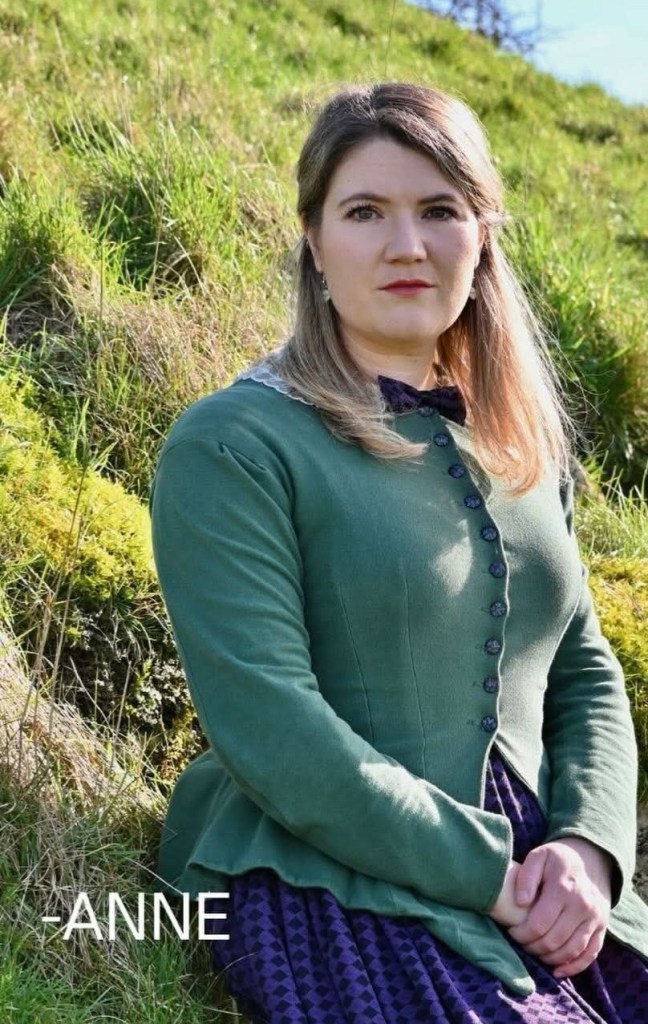
So, step forward the other other Brontë, Anne. The one everybody forgets if they ever knew of her to start with. And is embraced by Sarah Gordon’s play performed this week at the Rondo Theatre, Larkhall, Bath by the “in house” theatre company, RTC.
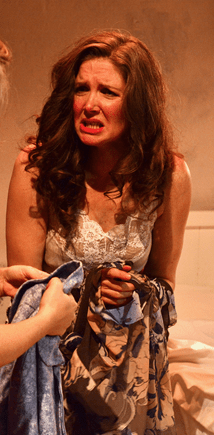
Anne, as per the above, is the centre of this play, but in many ways its really about the fractious, loving, abusive, and caring, relationship between her and Charlotte as we see Anne systematically abused firstly in her efforts to be a governess, and when finally escaping the oppression of service, receiving little better from her eldest sister… while Anne eventually becomes the world’s first feminist writer.
The story covers a simple timeline of the Brontë sisters adulthood, with appearances of drunken brother Branwell, though there is a little poetic licence over some chronology to help the flow of the narrative. I have to throw that in for the three of you reading this that are actually internationally renowned experts on the Brontës and may otherwise think I missed it. So there. I didn’t. For everybody else – its not important and the story works well as a result. I blame Branwell’s booze befuddled brain…
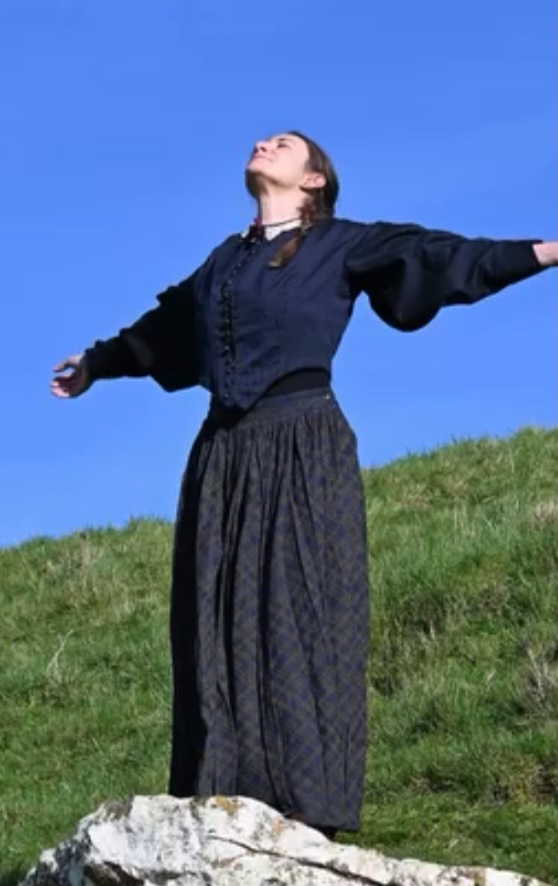
Any’ow – as they may say in West Yorkshire – their basic history is on Wikipedia so I won’t reproduce it here. Suffice to say all three Brontës in their own way produced magnificent works that have stood the test of time, and Kate Bush’s singing, before Anne and Emily succumbed to tuberculosis following Branwell’s previous demise. The water in Haworth has a lot to answer for.
Charlotte died of complications in pregnancy – maybe she didn’t drink the water. None of them made the age of forty, and the younger two barely thirty at best. Tragedy had also struck the other two totally unknown sisters – Elizabeth who had died aged ten, and Maria aged eleven.
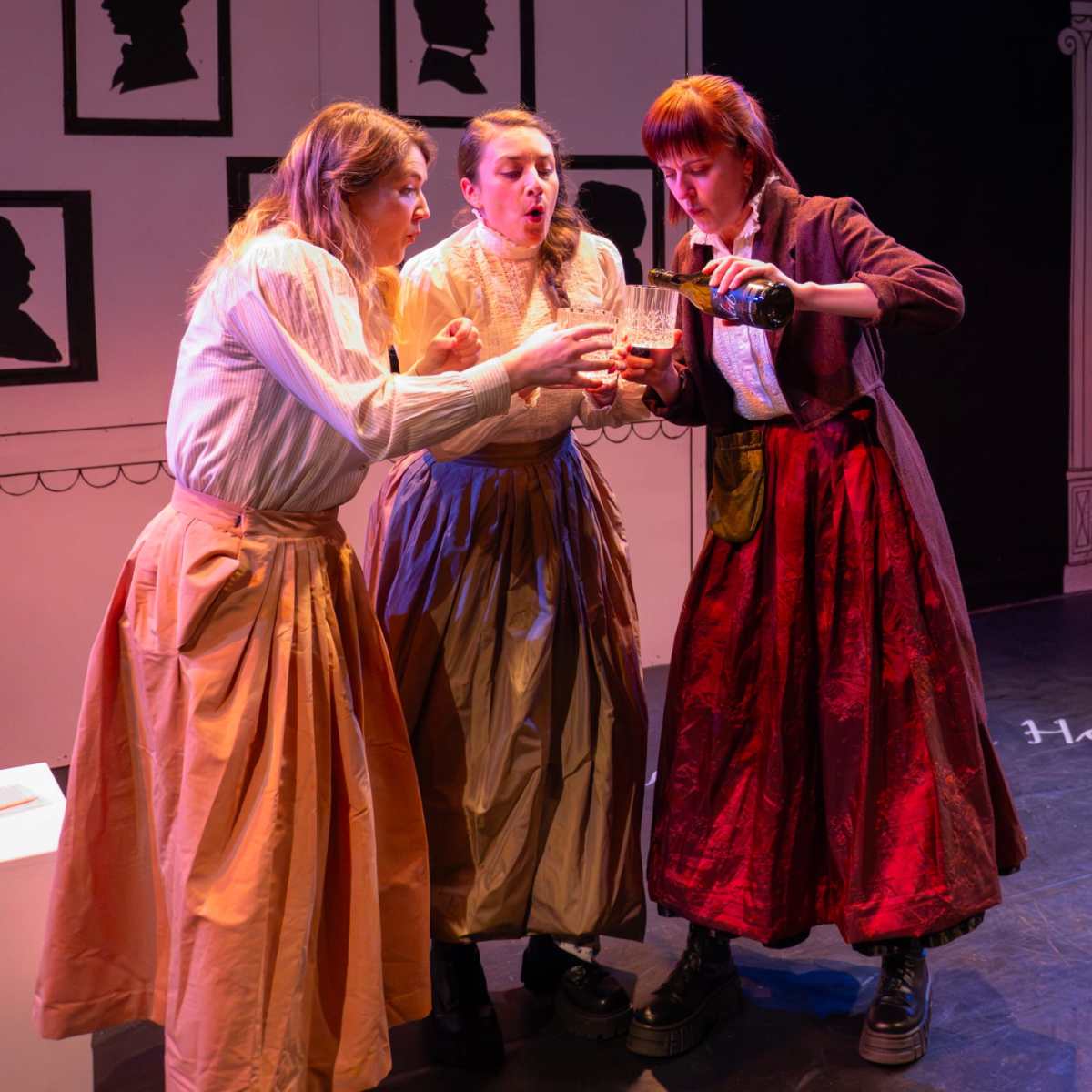
“Underdog” is a quite superb piece of writing; Sarah Gordon has lifted a passingly interesting family history and created a vibrant soap opera (in the best possible way!) about three siblings all destined for greatness, with hugely differing personalities. Of their love and support for each other; their internecine rivalries; their differences. Anne, at first demure then latterly strong and quietly confident, Emily, abrupt yet watchful, and Charlotte – a domineering bully that gaslit her sisters, particularly Anne and most definitely herself. Charlotte opens the show with a 4th wall monologue about pious men looking down on women, but is portrayed as being no better herself.
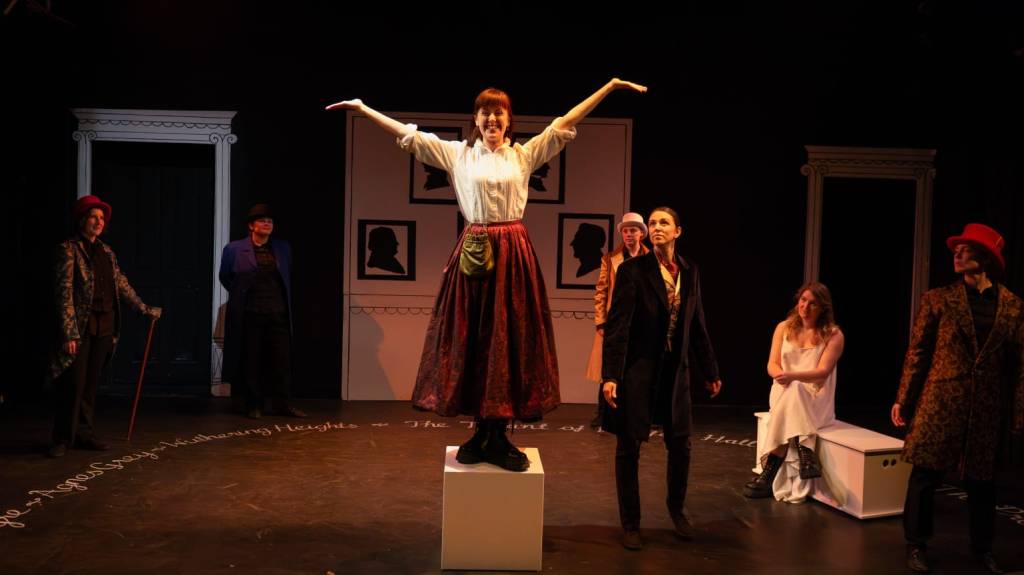
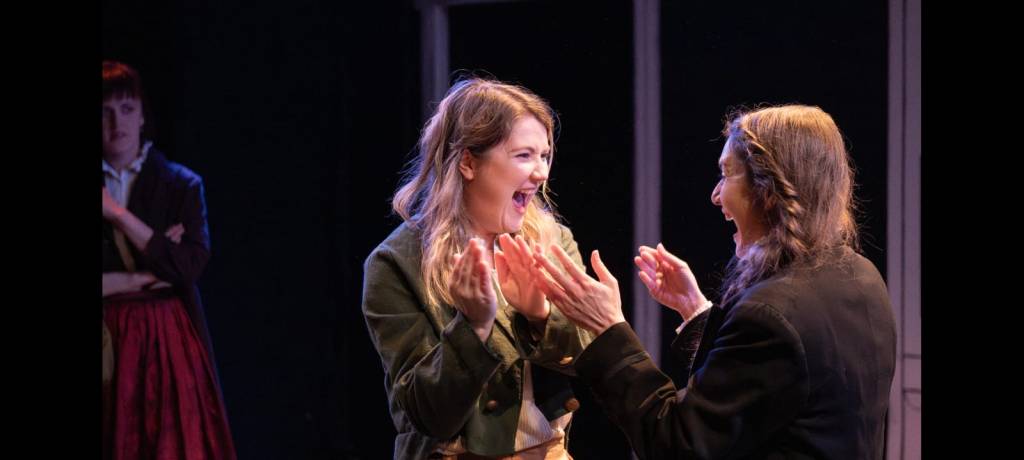
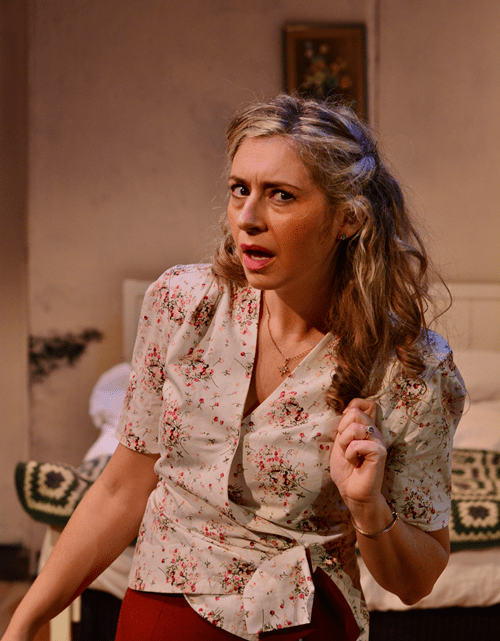
The three leads are mesmeric. Their characterisation is sublime, magnificent. Josie Mae-Ross plays Charlotte, Naomi Miller, Emily, and Alana Wright, Anne. The three bond so well on stage, with amazing chemistry, they really feel like three sisters. It’s a line heavy play for the three of them, as well as the portrayal of their characters on top and they are on stage for pretty much the entire two hours that the play runs for. Chapeau all round.
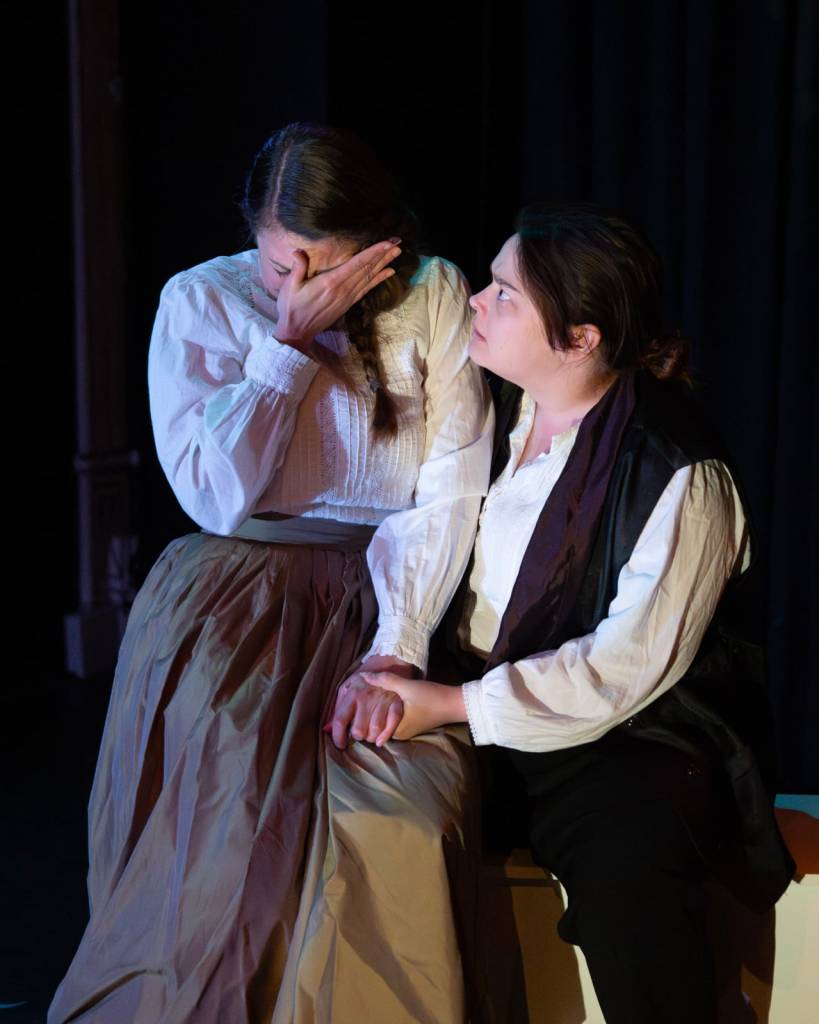
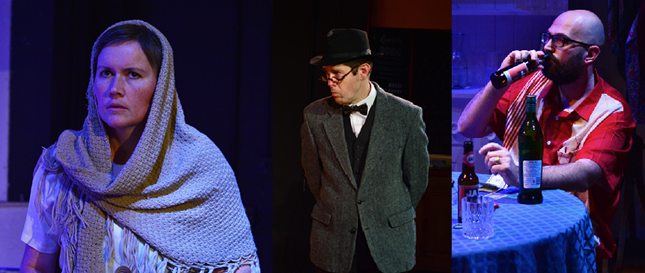
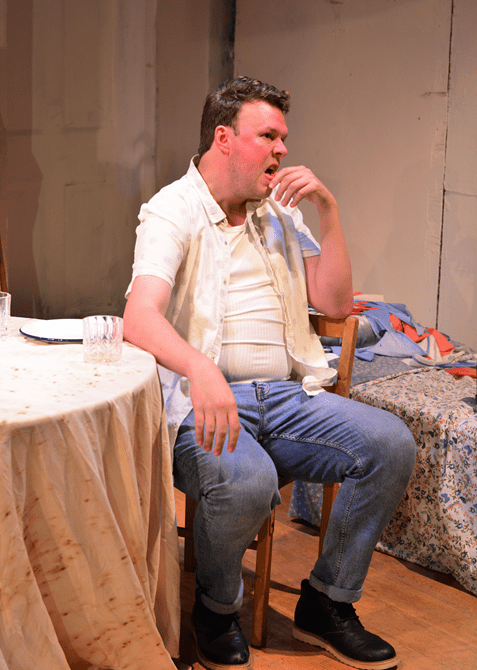
Branwell is played by Natalie Prescott, swapping her natural North Cheshire vowels for West Yorkshire ones and crossing the Pennines to do so. There’s a suitably gruesome reminder of the results of TB and Natalie captures Branwell’s self-destructive insouciance to a tee. Natalie also partakes in various ensemble roles along with the other members of the cast Antonia White, Jade Wright, Sarah Horrex and Sophie Kerr. Their slickness between several cameo style roles each is commendable, and peaks with a brilliant scene of literary critics discussing the sisters’ works in deprecating terms. No spoilers here but the show is worth seeing just for this one particular ninety second scene.
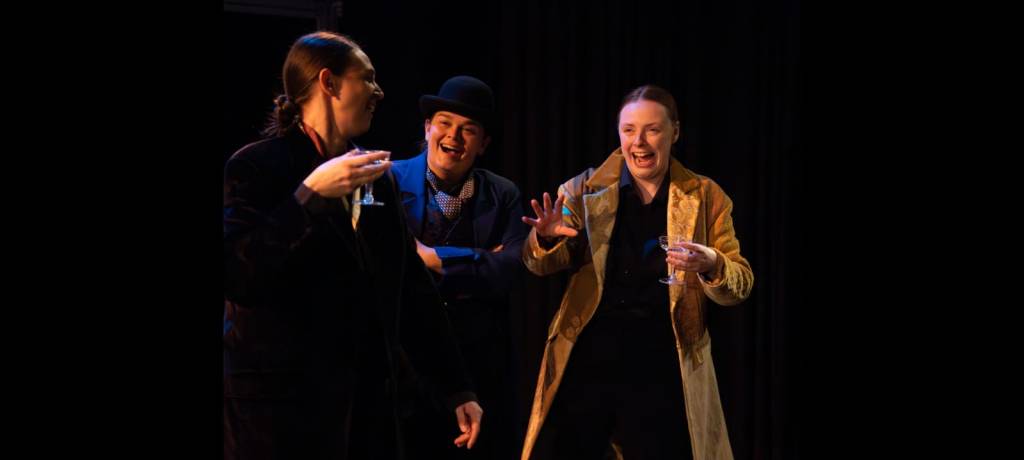
You’ll have noticed I am sure eight female names for eight cast members – yes dear reader, it’s an all-female cast – as befits a play about the world’s first feminist writer. This is all pulled together by director Helen Taylor with great vision and pace. The set is wonderfully simple doing just enough to set the scene and allow the actors to deliver in an uncluttered space.
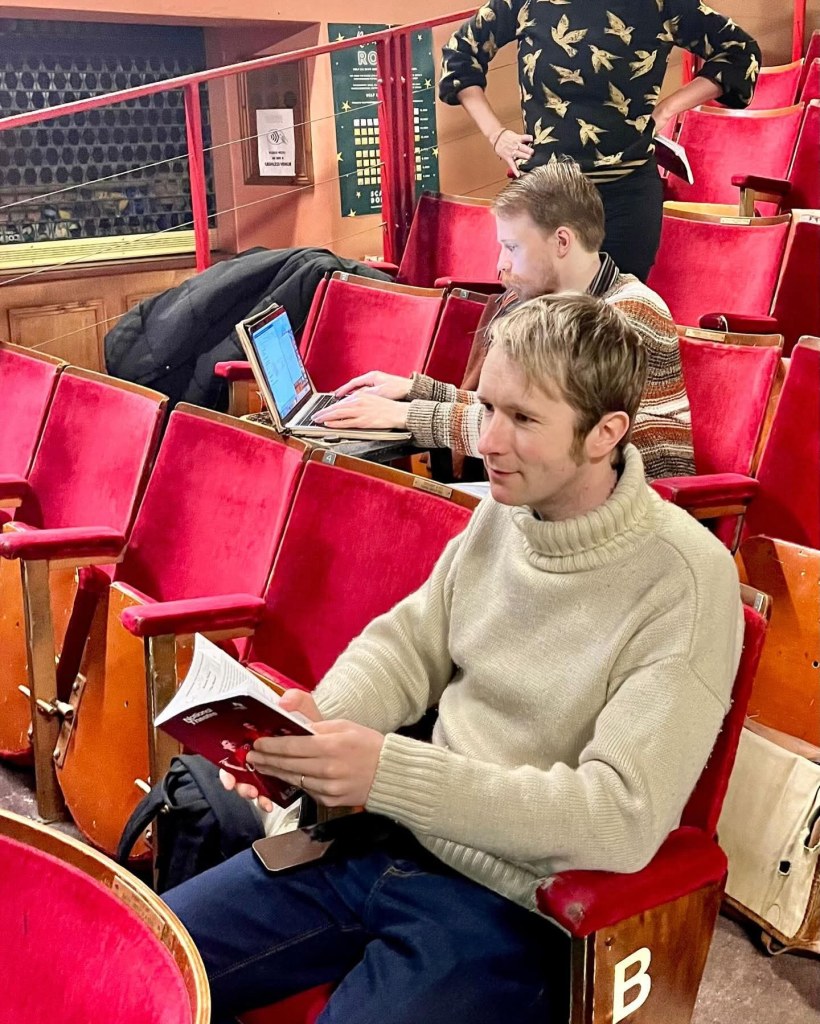
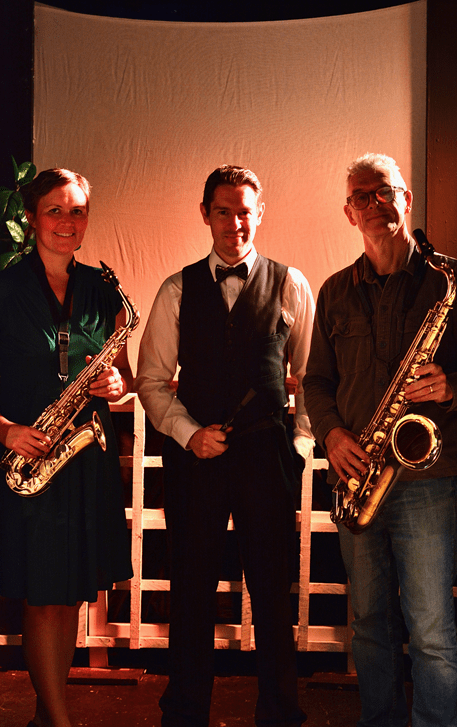
Tech as ever at the Rondo is delivered as excellently as ever by Alex Latham, and the costumes are simply perfect – take a bow, as is often the way, Chrissy Fryers. The original music for the show is provided by the maestro that is Moray Macdonald and all of these creatives are more than ably supported by producer Yvonne Paulley, Stage Management Lylou Sharp and Olivia Lynch with publicity and poster design by Meg Robertson and Cate Nunn respectively.
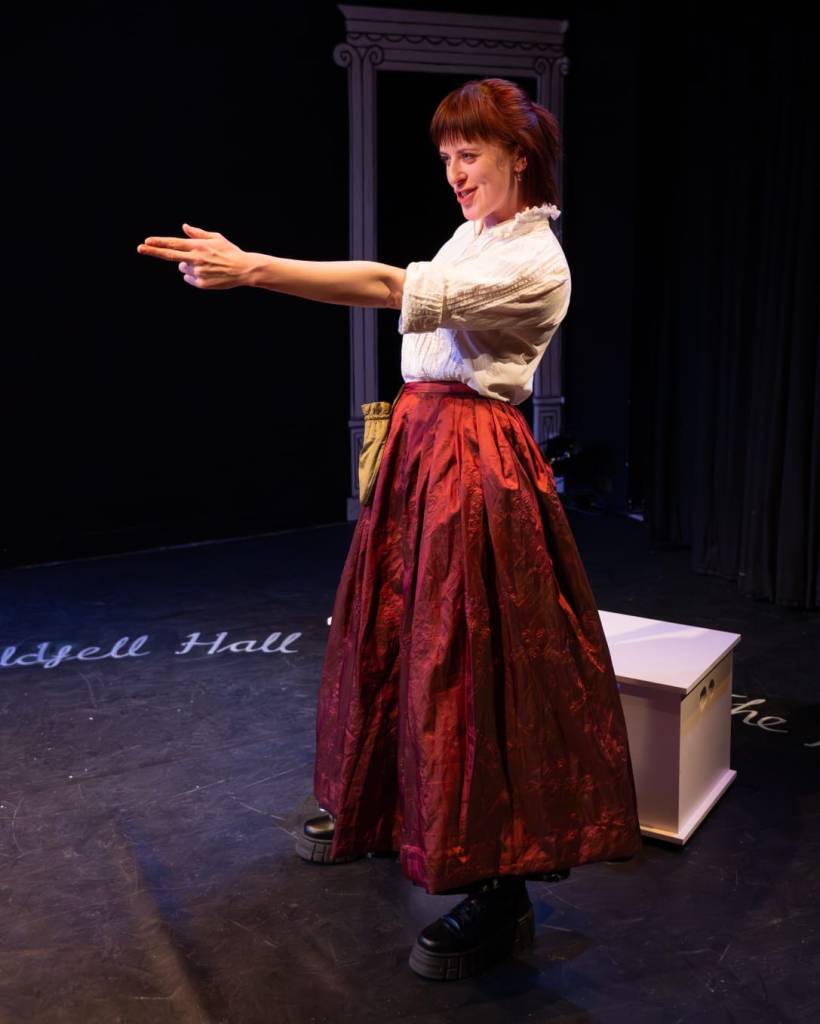
You don’t have to be a Brontë fanboy or fangirl to enjoy this show. It has a quality that live theatre brings that watching a screen just doesn’t have… the immediacy of the action, the intimacy of the space, the direct connection with the cast, and it has this in spades. It is simply one of the best pieces of theatre I have ever seen, and I am fortunate enough to watch a lot of quite excellent theatre that is well worthy of the highest praise.
You could do far worse than blow a whole fifteen quid, cheaper than a pizza and a pint, on a ticket to this wonderful show this week. I even urge you not to miss it.
Tickets from https://rondotheatre.co.uk/underdog-the-other-other-bronte and the show runs Wednesday 25th March to Saturday 28th March.
And you may recall I said something about the water in Haworth…? It’s actually true….


 devizine.com
