
by Ian Diddams
images by Chris Watkins Media
One could argue that Anne Frank is possibly the most well-known civilian of the WW2 years, and certainly of those totally unconnected with the machinery of war where we may consider the likes of Turing, or Barnes-Wallis etc. It’s a name one comes across quite early in life generally – and never leaves one. In this regard she and her diary need no further explanation (although as ever Wikipedia provides background). The stage play, by Frances Goodrich & Albert Hackett, brings Anne’s words into action, and in an intimate space such as the Wharf theatre, quite literally into your lap in the front row seats.
You could be excused if you had a preconceived idea that the play is one of horror and misery and sadness. It is – but the mood is not as sombre as those fears overall, and there are elements that are light-hearted, joyful and uplifting. There are jokes too – albeit admittedly black humoured ones that may raise a smile rather than a belly laugh. Yet the uglier parts of the storyline are cleverly not actually regarding the Nazi oppression of Jews and the concentration camps although that omnipresent fear is there, but of the interaction of personalities of the inhabitants of the attic. Clashes of ethos, and bigotry, constantly arise – misogyny, social class and ephebiphobia are all displayed as a microcosm of the wider and bigoted world outside the warehouse, where petty personal quarrels despite the extreme and perilous position the group are in are never far from the surface.
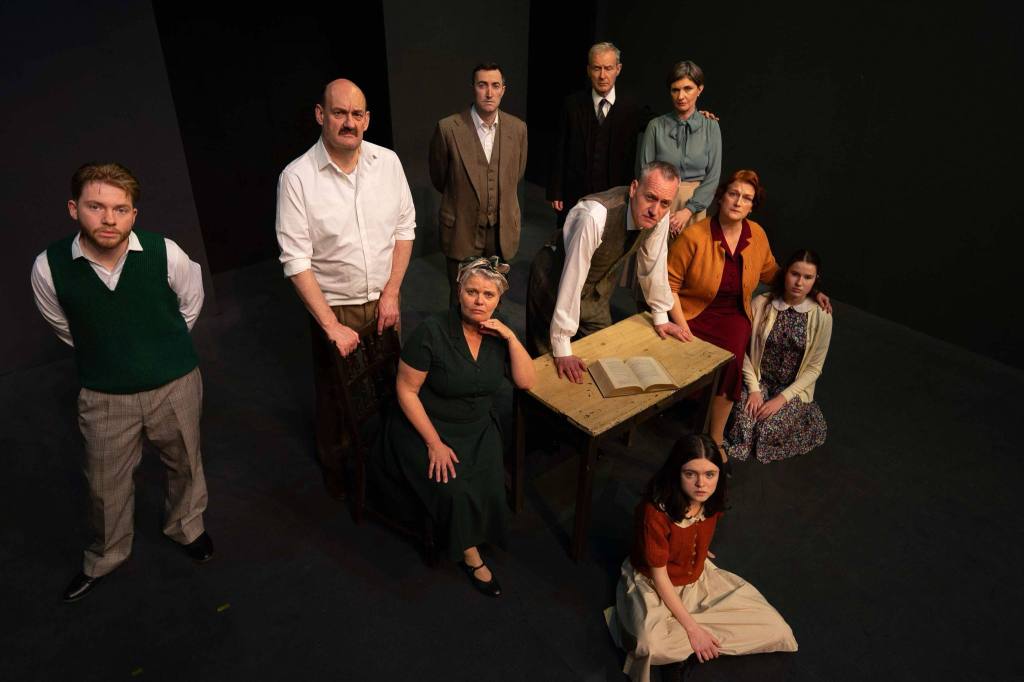
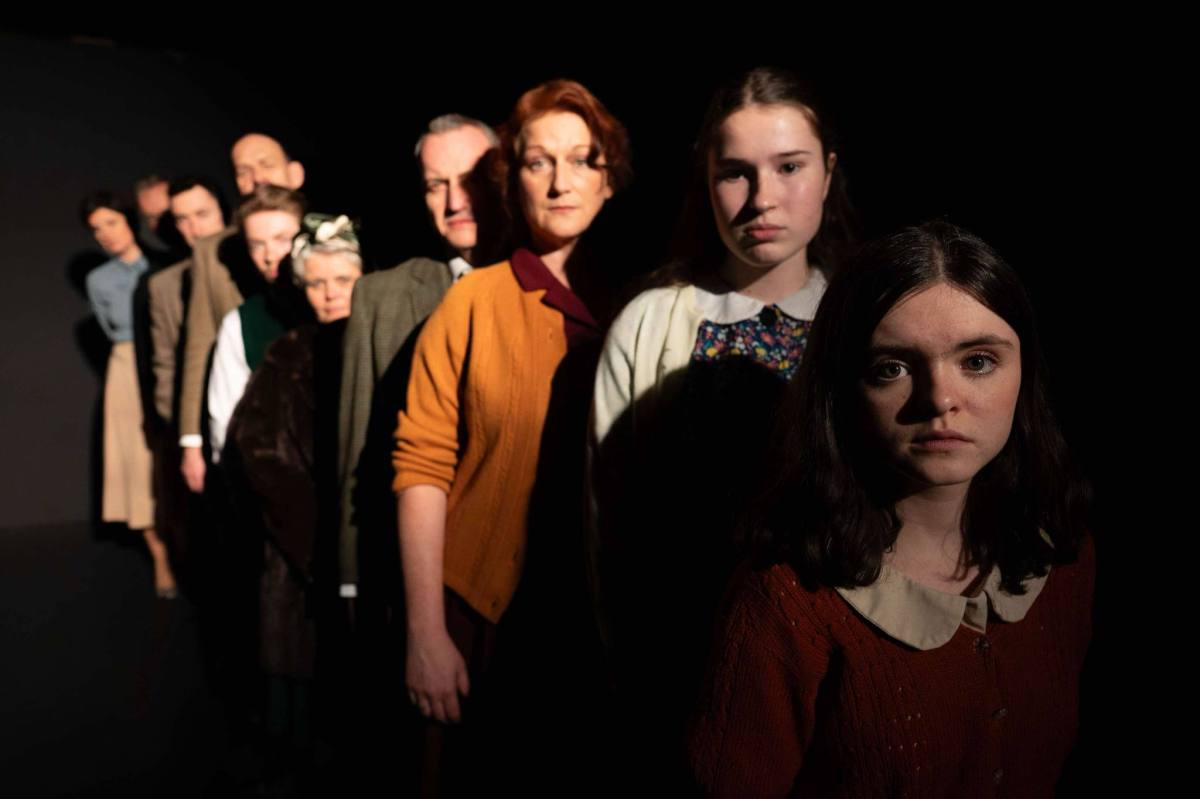
The opening scenes introduce us to those in hiding – Otto Frank (Sean Andrews), Edith Frank (Mari Webster) and their two daughters Margot (Poppi Lamb-Hughes) and Anne (Tamsin Antignani), and their guests The Van Daans (Debby Wilkinson and Steve Brookes) and their son Peter (Joe McMillan) with the late arriver Mr Dussel (Chris Underwood). They are supported by the friends on the “outside” Mr. Kraler (Ian Glennie) and Miep Gies (Mitzi Baehr). The action takes place in a warehouse attic, of course, ably represented on stage with differing levels for main room, Anna and Mr Dussel’s elevated bedroom with window overlooking the street, and a roof space bedroom on a third level for Peter complete with skylight. A simple table with a couple of kitchen chairs sits centre stage, with a small kitchen at the rear.

We quickly learn each character’s personality. Otto is a kind, generous man very much the peace maker amongst the enforced group which do not get on at all well. Edith is a well-mannered but stiff woman trying to keep her daughters, especially Anne in check, with whom she has a difficult relationship – Anne frequently laments this. Margot emulates her mother’s simple quiet approach and studies hard. Mrs Van Daan is at first supremely gauche, but opiniated, though later succumbs to fears and terrors and her early familiarity turns to anxiety and a breakdown. Messrs Van Daan and Dussel prove to be Anne’s nemeses – or at least unappreciative and spiteful opponents. Neither of them approves of her youthfulness and forthrightness, where Dussel is an autistic loner and Van Daan a reprehensible human being who has no good word for anybody and breaks obvious societal rules for the position they are all in. Peter is a lost boy – oppressed by his father’s ire and his mother’s insouciance and control. He is an uptight lad, his only joy his cat – at least initially. Which leaves Anne – a boisterous, playful and obstreperous teenager with a strong mind and words to equal it, that clashes with most of the room’s occupants throughout the show, aside from her sister and father whom she adores.

The overall atmosphere of the attic is one of social oppression – everyone mucking in while resenting each party’s presence … the Van Daan’s view the Franks as too progressive, Peter doesn’t trust anybody, The Franks play the tight-lipped hosts, while Dussel arrives late to the group, is accused of taking up valuable food and despises the entire situation and others. It is maybe the original Big Brother house….
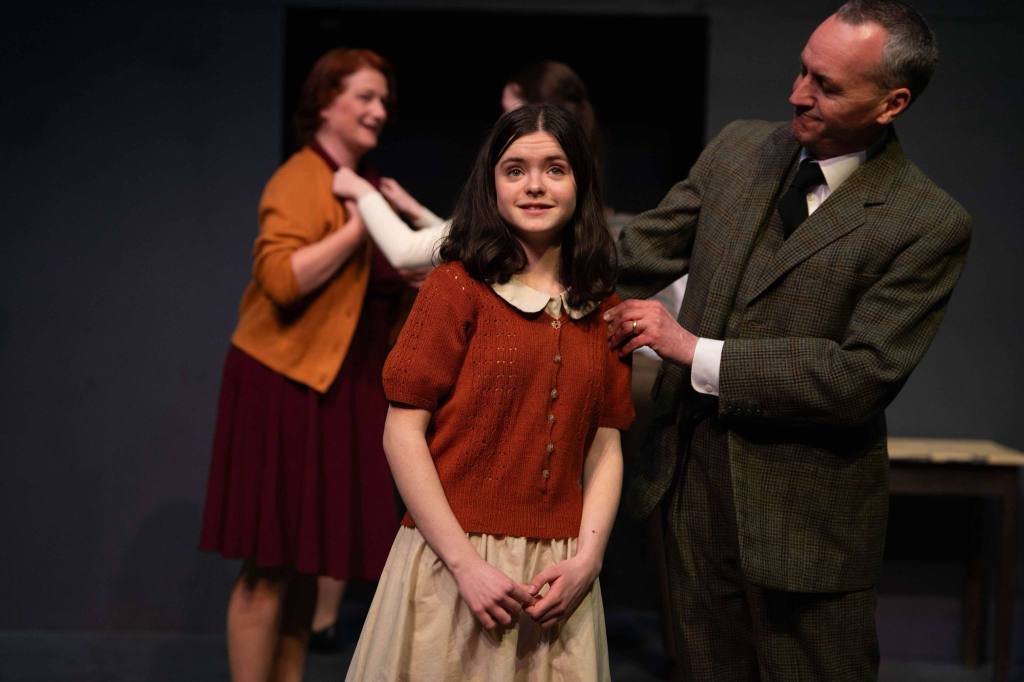
The overarching storyline is Anne’s of course – the other characters in some ways creating the background to her story. This is a story of growing up – she was incarcerated in that attic from the ages of thirteen to fifteen and we see her move from playful child to moody but confident teenager. Her self-cognisance develops as the play progresses. And her monologues become increasingly poignant, especially with our benefit of hindsight over eighty years later. In many ways her feistiness and self-assurance seem decades ahead of her time.
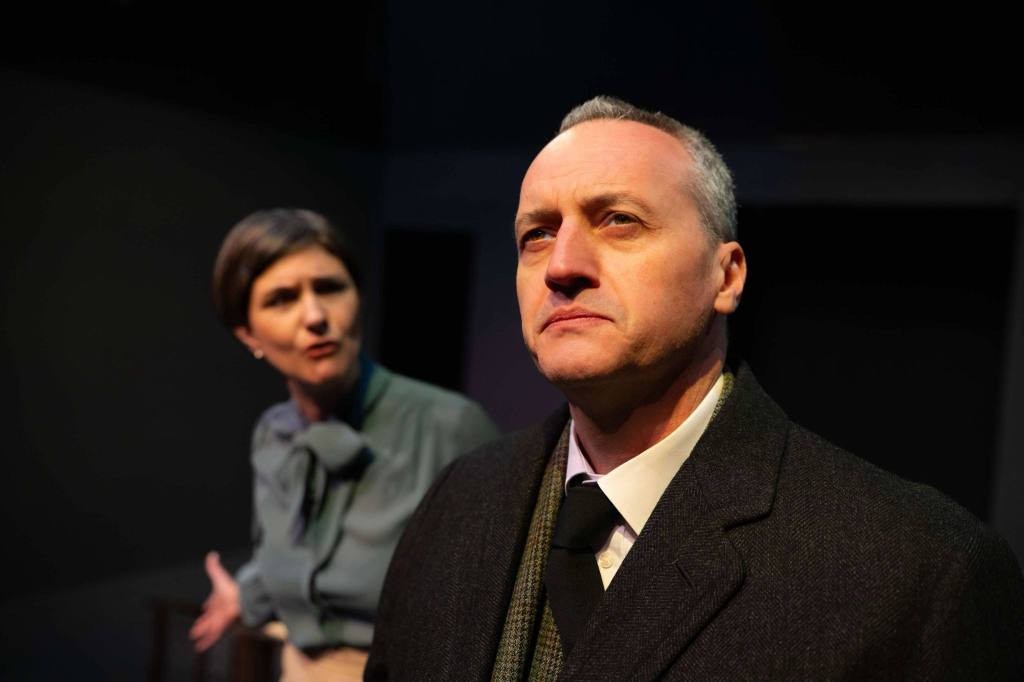
The lifelines of Mr Kraler and Miep provide hope and excitement as their visits bring provisions and news. Kraler is overwhelmed by events while risking his own life for them, and Miep is the caring, doting friend, very much everybody’s mother in her protections.
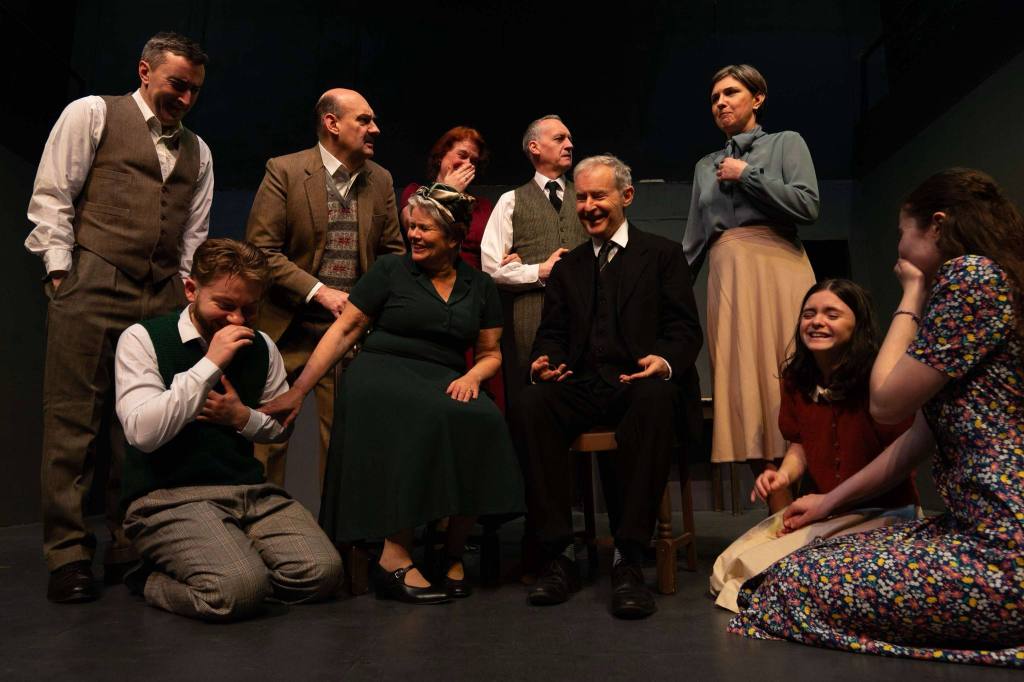
The play however is not without lighter scenes illustrating joy, highlighted by the sweet scene as the group celebrate Hannukah together – shared prayer, food, and presents from Anne for everybody. It’s a joyous scene, providing a relief of tension akin to the Porter scene in Macbeth, but – just as in the wedding scene in “Fiddler on The Roof” – it has a disturbing ending. What finally happens to these characters is well documented of course. Only Otto survives, and in real life it is he that has Anne’s diary published.
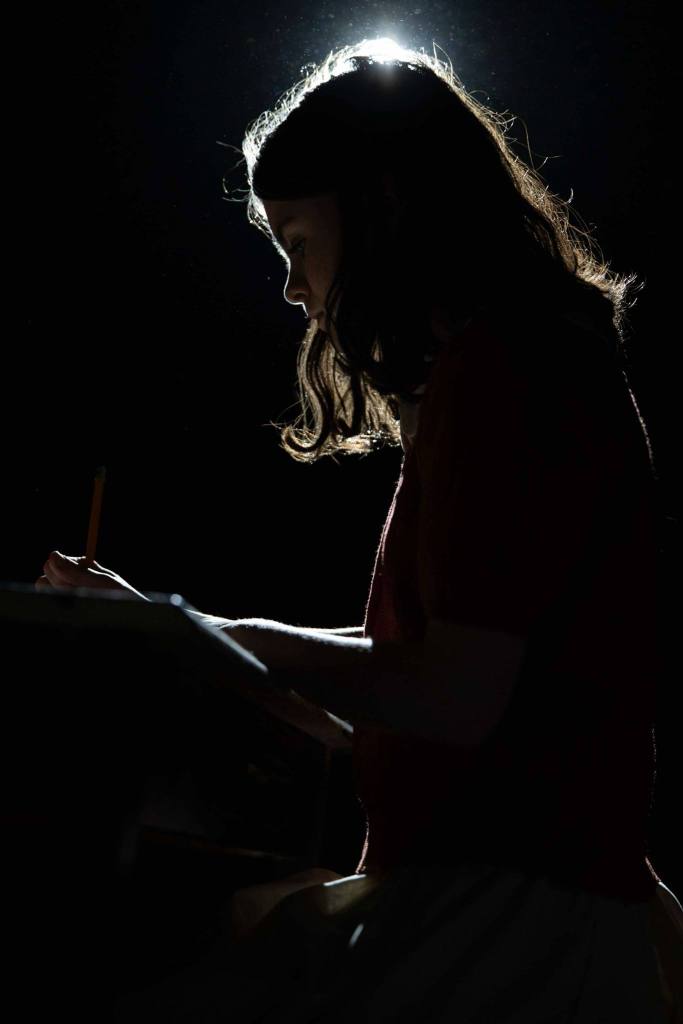
Lighting and sound throughout add wonderfully to the sombre, oppressive atmosphere, headed up as ever by The Wharf’s Tech Team. Set design – see previous comments – equally as ever was provided by ever excellent John Winterton. Costumes sold the period extremely well provided by Gill Barnes and her wardrobe team.
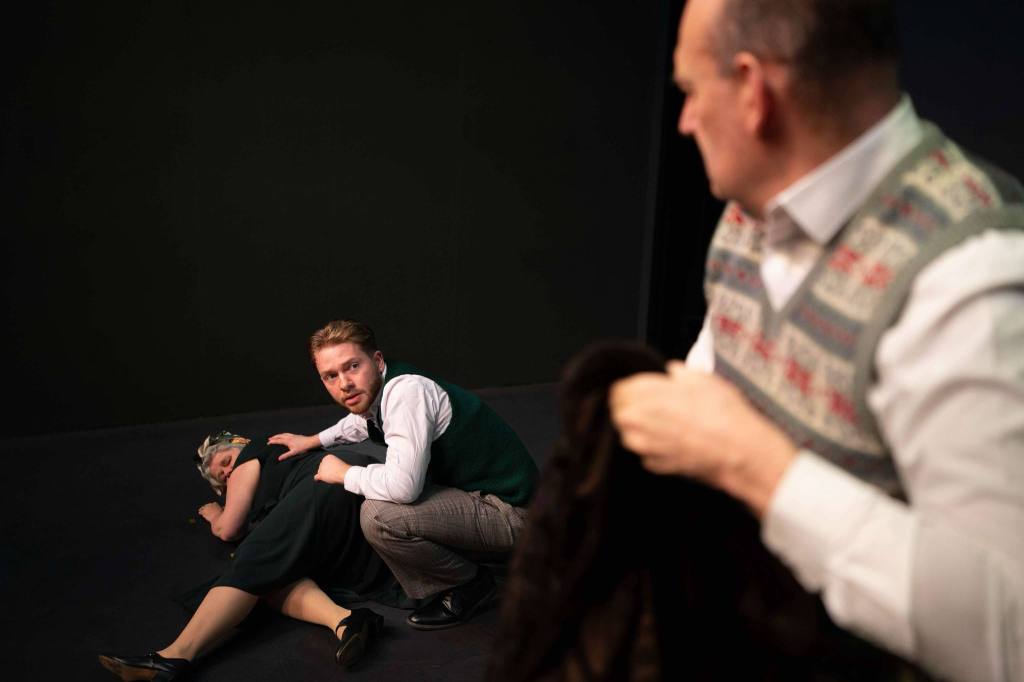
Direction was by Freddie Underwood – Freddie visited Anne Frank’s house in Amsterdam last year and was moved to find a play to present with this amazing story. This is a tight production, with clever uses of levels and space and even with at times ten people on the Wharf’s fairly small stage it never looked crowded or crushed. Testimony to Freddie’s vision is how slickly the action and story moves along – both the eighty-five minute first act, and hour long second act moved along timelessly with nary a slow moment.

And so to the cast, who all combined to tell Anne’s story so well. Sean Andrews as Otto embodied the loving, peace-making tribe leader so well… a reassuring presence on stage both in character and as a performer. The nuances of grief, hope, despair and love embraced smoothly. Mari Webster’s Edith was a master class in tight lipped suppression of emotions until her eventual explosion of rage and home truths – nought to sixty in three seconds, flipping a switch, and Mari managed both, and the switch, to perfection. Poppi Lamb-Hughes was the perfect foil as Margot to Anne’s outgoing demeanour, playing the demure older sister in a peaceful, tranquil manner while indicating the inner fears that Margot must have had. It was good to see Joe McMillan return to the Wharf’s stage again, and his portrayal of Peter as the shy, reticent, lonely boy scared of his father and distanced from his mother, that blooms as his friendship with Anne develops was made to look so easy. Debby Wilkinson as Mrs Van Daan also had a changing personality to perform, from brash gaucheness to fear ridden depression and the ever-talented Debby naturally provided both with aplomb. Steve Brookes as Mr Van Daan wonderfully filled the role of most hated character with his snide remarks, dislike of younger people, and selfishness. Chris Underwood of course caught Drussel’s mean nature throughout the play as the outsider that doesn’t want to be inside. Ian Glennie in his first ever acting role showed the frailty and fear of Mr Kraler’s position to a tee, while the versatile Mitzi Baehr was wonderful in her performance of Miep Gies … the compassionate, caring, selfless provider.
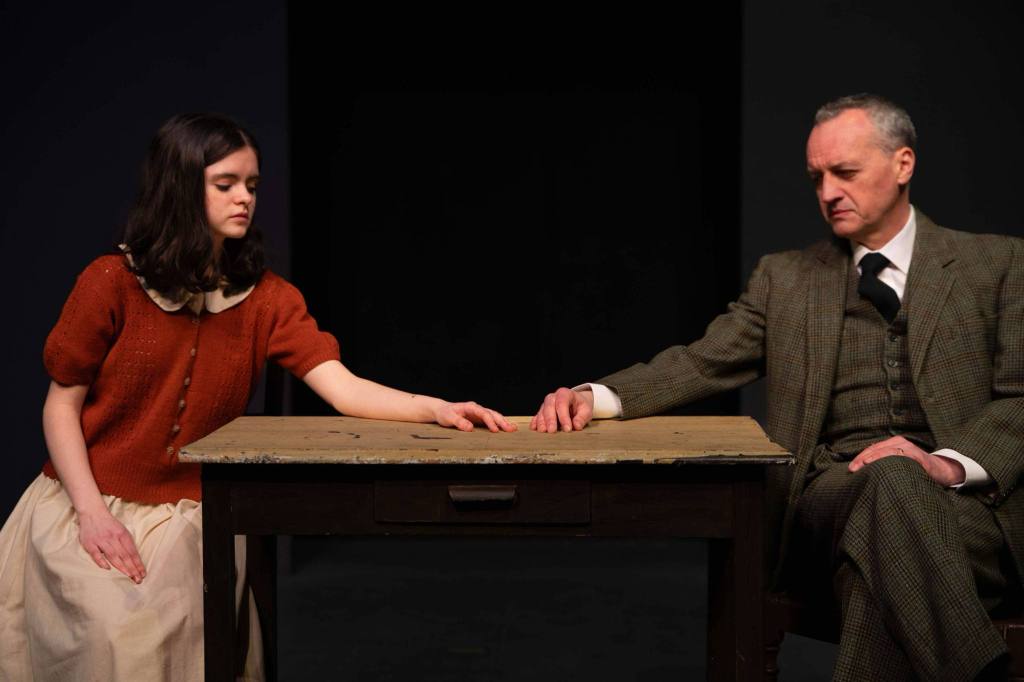
Which just leaves Tamsin Antignani. Aged fourteen, the same age as Anne Frank pretty much, this was a virtuoso performance for one so young. She WAS Anne Frank. A huge number of lines, constant stage movement, expressions, mood swings were all taken in Tamsin’s stride. A wonderful performance – chapeau. Totally chapeau!
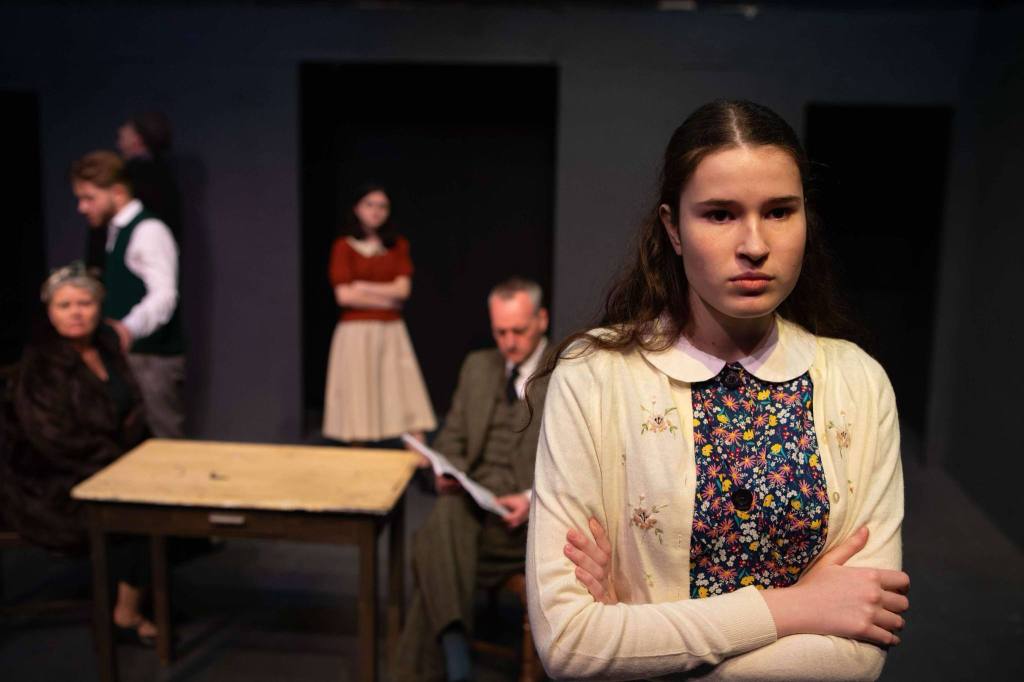
The play has no surprise end – we all know what happened. And in the second act particularly passages from Anne’s diary litter her character’s monologues providing chilling reflections of what was to be, as opposed to what was hoped for.
“I want to be a journalist. I love to write”.
“Will I ever be able to write well? I want to so much”
The painful ironies here of course being Anne never survived WW2, never became a journalist. But has a book that has been translated into seventy languages and has sold over thirty million copies worldwide.
And of course – we shall remember them.
Otto Edith Margot Anne Hermann Auguste Peter Fritz
We should never forget them. And as Anne says in this play
“Some day… I hope…”
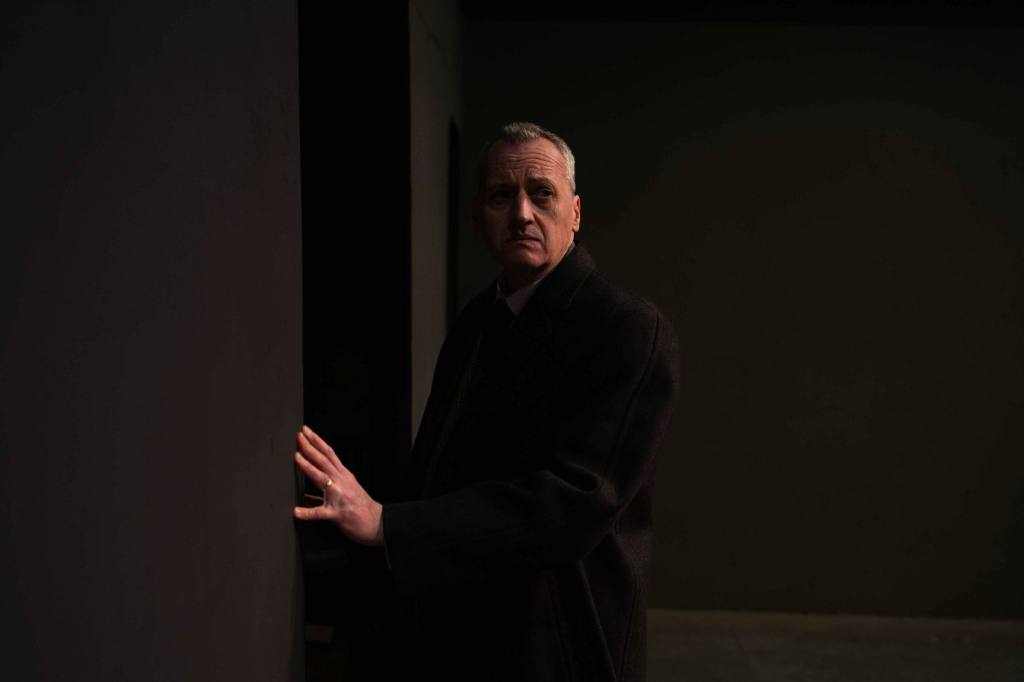
“The Diary of Anne Frank” plays at The Wharf Theatre, Devizes, May 12th-17th.
The cast, crew and theatre are delighted to announce that the show is already sold out.
 devizine.com