
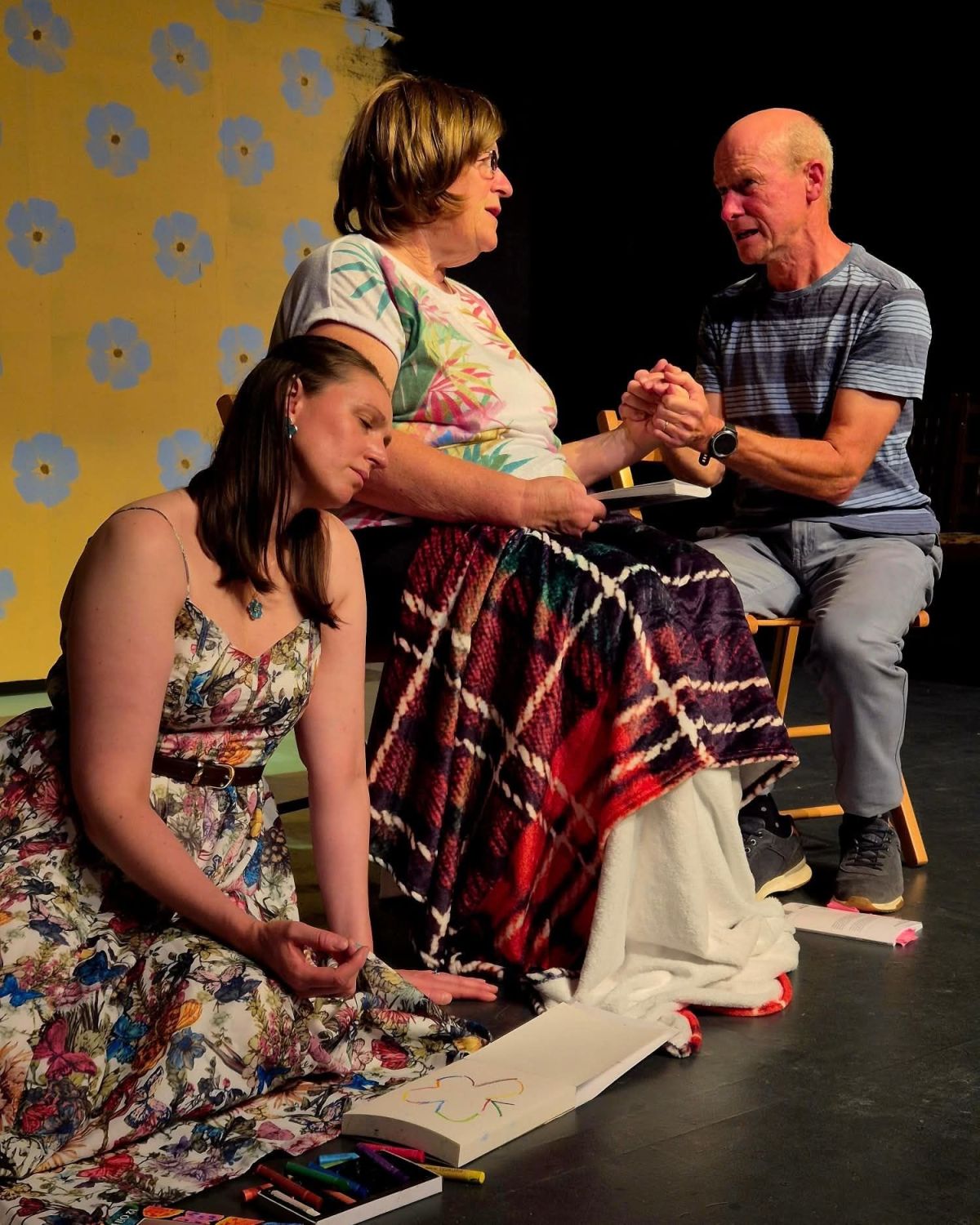
Valedictorian graduate of Bates College in Maine, and with a PhD in neuroscience from Harvard, neuroscientist Lisa Genova self-published her debut novel, Still Alice in 2007. Acquired for publishing two years later, Still Alice made The New York Times Best Seller list, was adapted for the stage by Christine Mary Dunford of Chicago’s Lookingglass Theatre Company, and spurred a 2014 movie by Memento Films, winning Julianne Moore an Academy Award. Under the direction of John Winterton, The Wharf Theatre brings this poignant play to Devizes……
It’s lovely to be back at Devizes’ cosy and communal theatre. Ian assigned himself our theatre critic and while his brilliant inside knowledge is gratefully appreciated, I figured I fancy this one, as I have a personal angle on the plot. Alzheimer’s Society suggests “every 3 minutes someone in the UK develops dementia,” therefore I imagine many others will find relevance in it too, and if not, might one day.
We found it amusing at the beginning, my Nan in Dad’s car still wearing her slippers for a party, and other trivial mishaps. But the last time I saw her I was saddened to note she didn’t remember me, as she spoke to me of her “husband,” rather than address him as “grandad.” My children were young and understandably apprehensive about going into the care home. But when they plucked up courage my boy stood before her and she was delighted to be face-to-face with who she assumed was me. Here was the relieving point; I realised she hadn’t forgotten me, she just didn’t recognise me because thirty-plus years was missing from her memory; thank you genetics!
The journey between these two points in time was arduous for her and our family. For her it went from confusion to frustration and onto an immune state of obviousness. Lisa Genova wrote Still Alice in first person narrative from the point of view of Alice, a university professor at the height of her career who is diagnosed with early-onset Alzheimer’s disease; it mirrors what we went through, and sheds a fascinating light onto what my Nan must’ve gone through too.
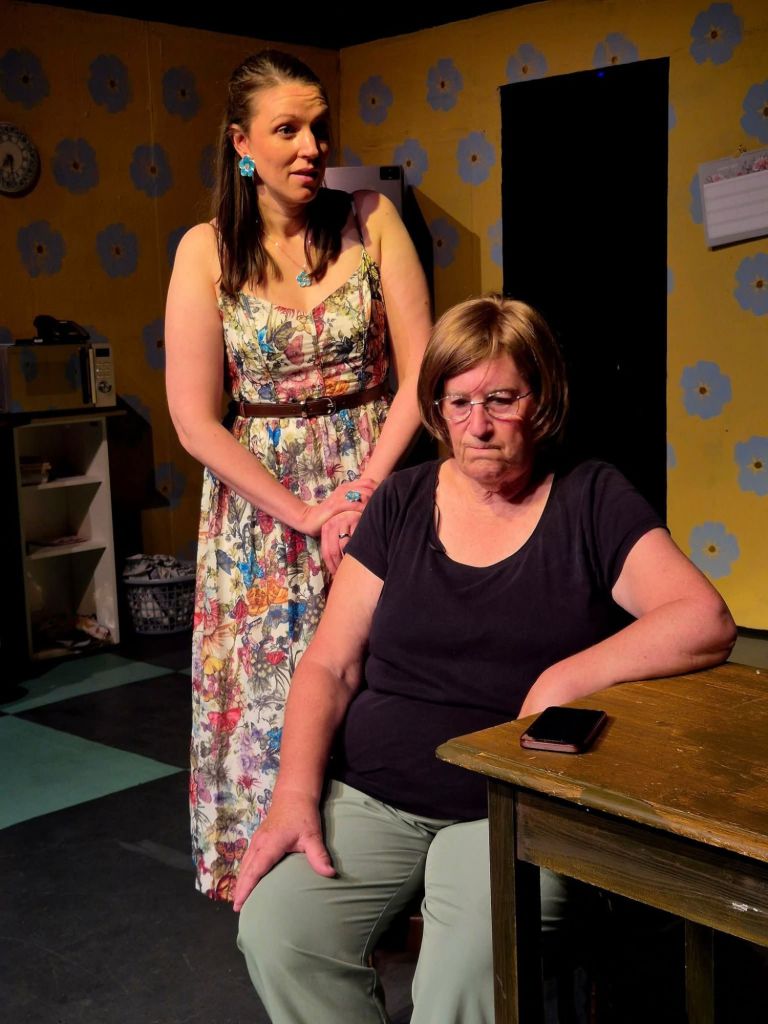
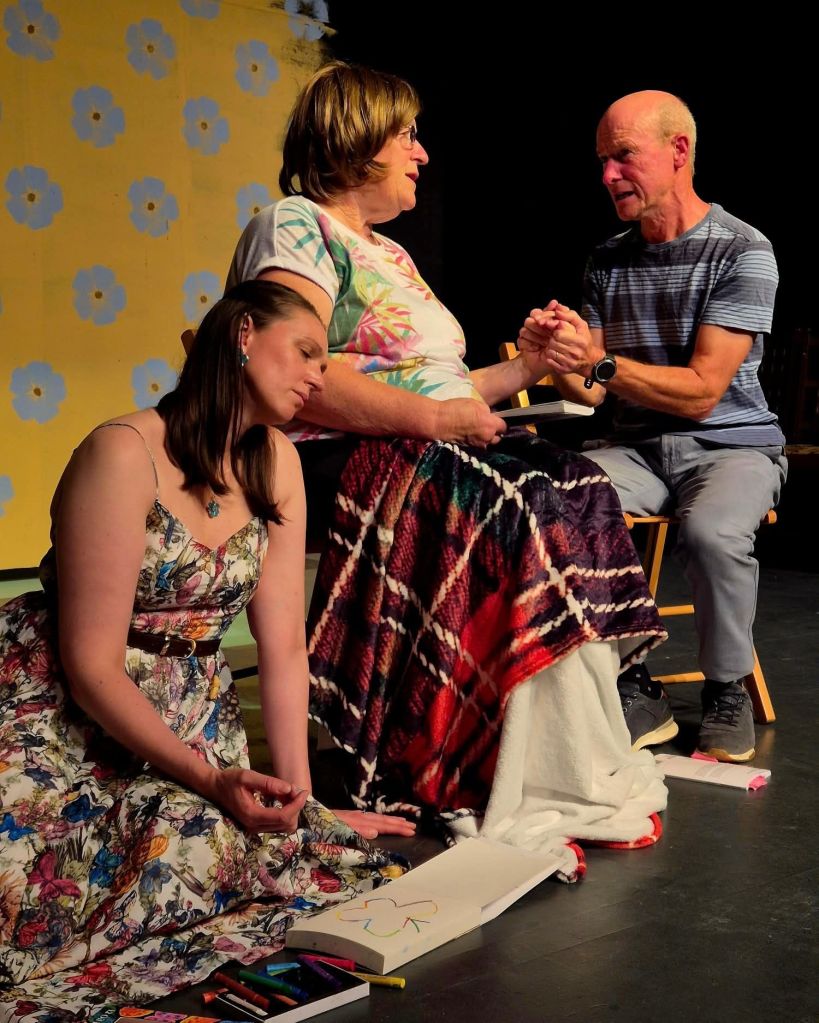
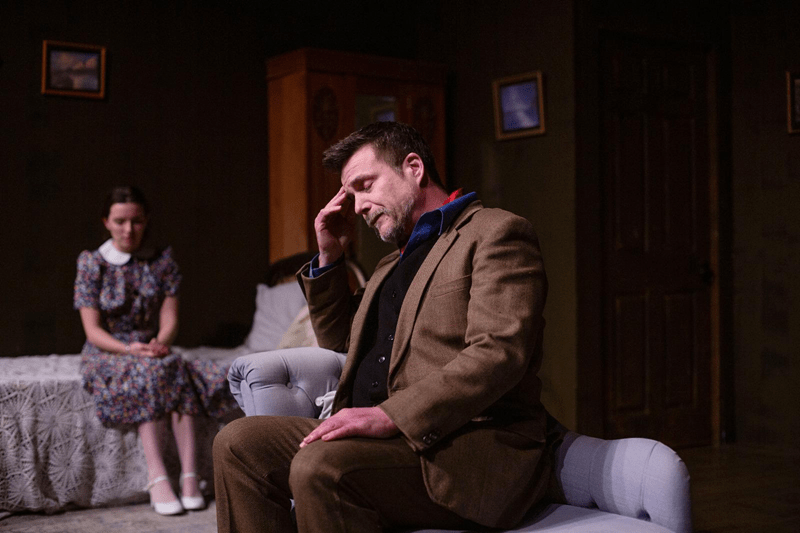
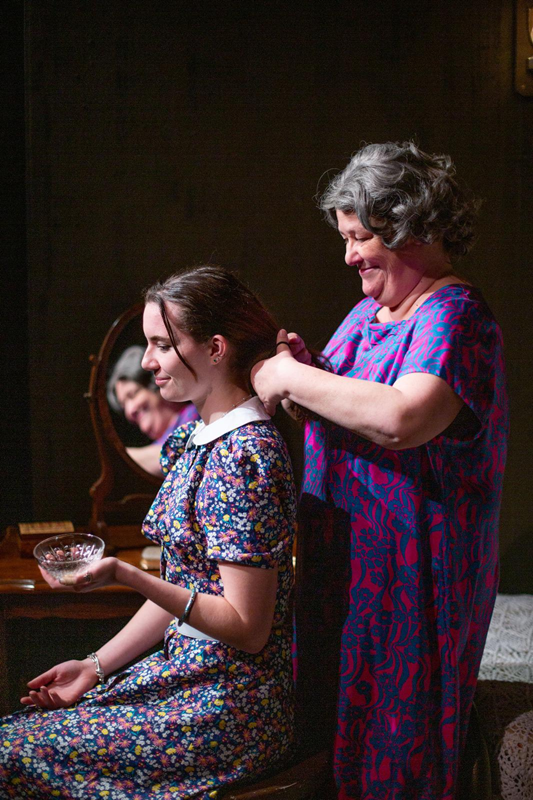
The play honours the narrative perspective by an ingenious method of a personification of Alice’s psyche. With a dual-Alice on stage, the real Alice, played sublimely by Linda Swann, says what she believes she should say, while her conscious shadowing her, equally delivered with skill by a younger version of Alice, Sophie Kerr, offers the audience an insight into what she is thinking. Just as I suggested, with the lost time of my Nan’s mind, Alice perceives herself as being younger, so this age gap works as her sense of reason, until reason runs short in her mind and her consciousness is reduced to the childlike drawing of pictures.
There are many elements to the happenings in the play which anyone who has experienced a loved one going through Alzheimer’s or dementia will recognise, and tears might trickle. There’s periods of thought-provoking awkward silence, intense confrontation at others, when the confusion turns to frustration. There’s poignant reality and touching scenes as the family come to terms with Alice’s deteriorating mind. There’s thought processes from Alice exposed, causing you to identify with her greater than that of her family; a window into the mindset of anyone suffering with this terrible condition.
Overall, akin to a film like Schindler’s List, this is a play you might not want to face, oh, but you must, and you should.
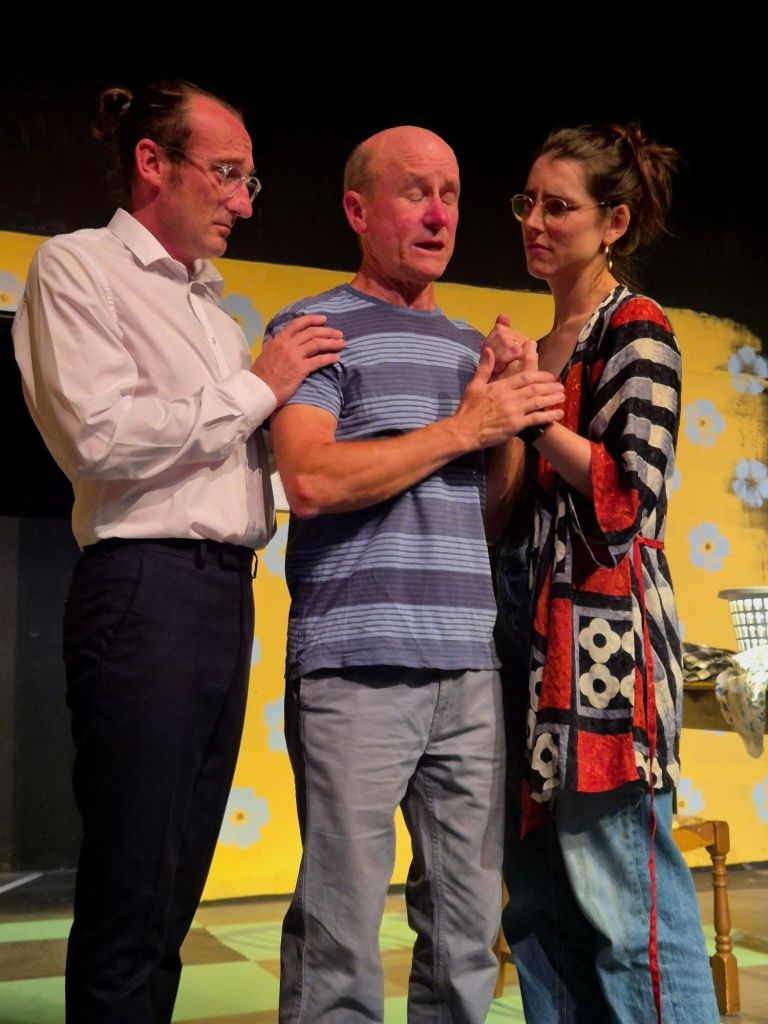
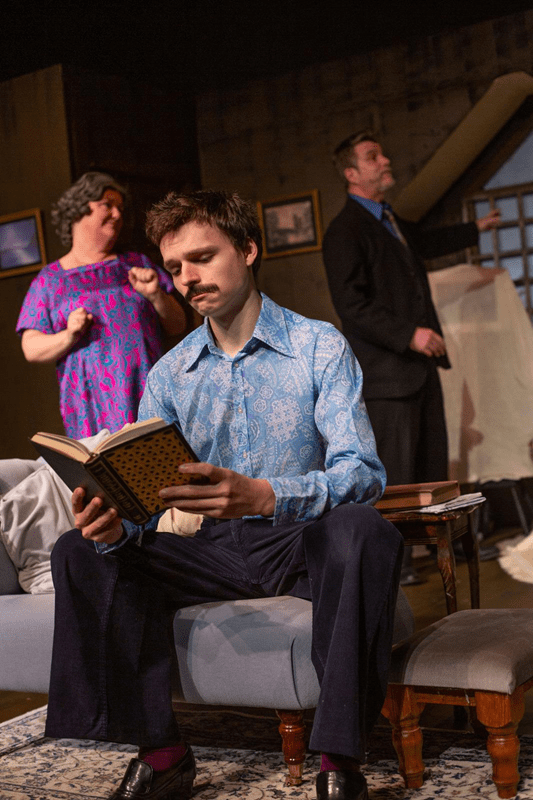
Still Alice is evoking brilliance, you will leave impelled to discuss the subject further. It raises awareness of this horrifying condition and doesn’t meander from this for any purposes of entertainment. On the impaired particularly, the sentiment is pragmatic, but also in her relationship with her family and their emotions, all poignantly represented and acted with believable precision by John Myles, as the calm under pressure husband, Adam Sturges as the solicitude son, and Kezia Richards as the estranged daughter.
Still Alice raises awareness about Alzheimer’s or dementia in a similar way as Barry Levinson’s Rain Man raised awareness of autism, but only if we could have seen into the mind of Raymond would it be any more comparable. That’s the beauty of theatre, this is a play with the power to change you.
Still Alice runs at The Wharf Theatre, Devizes from September 1st until September 6th 2025, Tickets HERE or at Devizes Books.
World Alzheimer’s Day is Sunday 21st September. You can find more information about local dementia groups at Alzheimer’s Support, and sign up for their Walk to Remember at Wilton House, HERE.


Trending……

Harmony Asia Can Do This
It’s a question I’ve asked Chippenham singer-songwriter Harmony Asia on each rare occasion I catch her for a chat; if she’s planning to capture a…
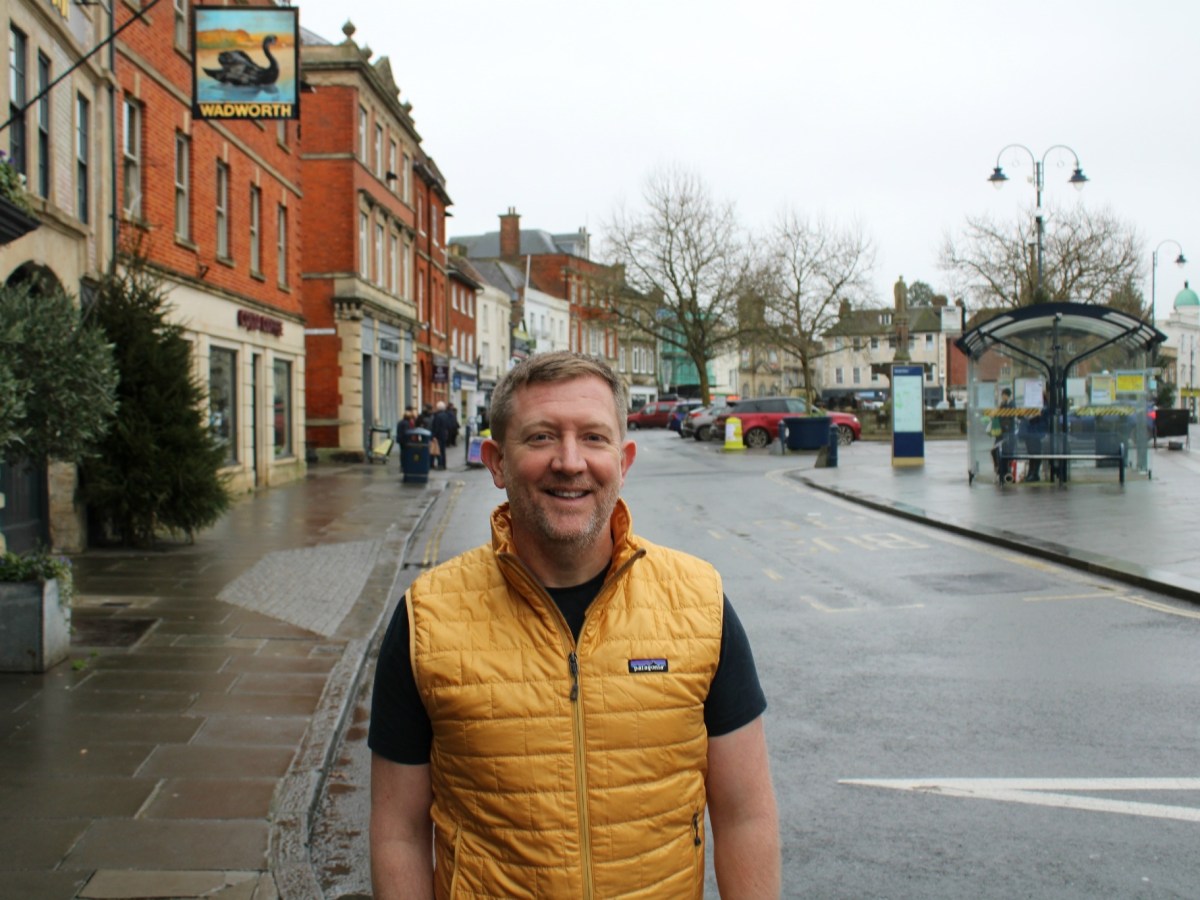
A Year into a Lib Dem Wiltshire Council; Chatting with Ben Reed
It’s a Friday, just polishing off a big boy breakfast at New Society. Got the window seat; I ponder how beautiful Devizes Market Place looks…
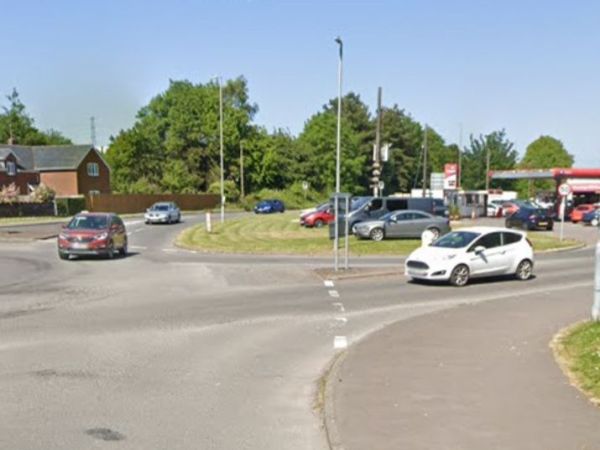
Battle of Bishop’s Cannings Ends in Devizes Defeat
David slew Goliath with a sling and a stone. Bishop’s Cannings Parish Council used evidence, against a group of Devizes Town councillors’ more circumstantial land…
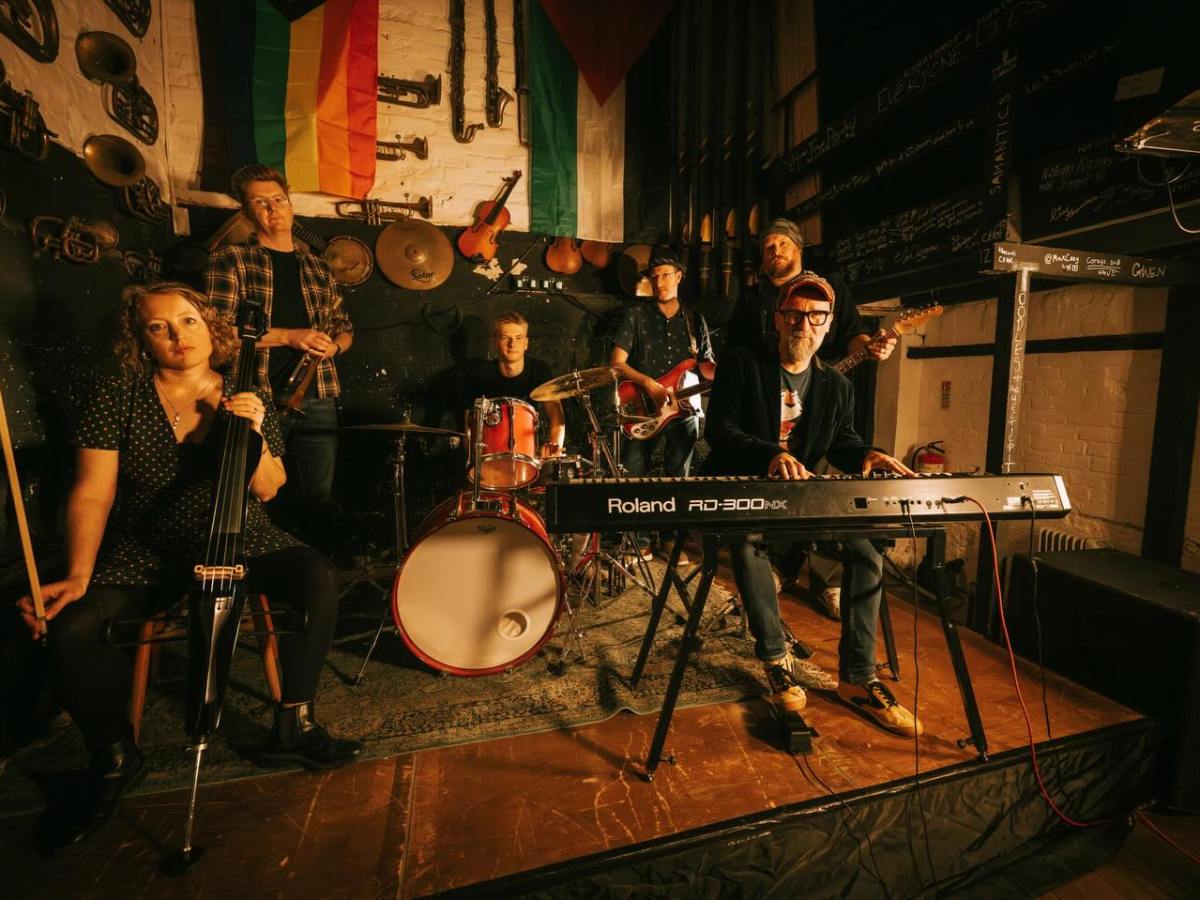
How it Feels for a Bluebeard!
The first time I heard the name Bluebeard and the Desperate Hours, I presumed their sound might be folk or blues inspired. Judging a book…

“Underdog: The Other Other Brontë” at the Rondo Theatre, Larkhall, Bath, March 25th-28th 2026
by Ian Diddams images by Richard Fletcher How many Brontë sisters can you name? Which books did the sisters write between them? Can you name…

7 Hills to Trowbridge’s Old Town Hall
To clear up any confusion, Trowbridge’s old town hall is no longer the town hall, but The Old Town Hall. I have no idea, nor…

Wiltshire Hunt Sabs Stolen Drone Footage Reveals a Beaufont Hunt Kill
Retrieved footage from a stolen drone of the Wiltshire Hunt Saboteurs reveals the Beaufont Hunt making a fox kill earlier this month, and it’s undeniable…

Extended Lineup for CrownFest
It was back in October when we revealed CrownFest at The Crown in Bishop’s Cannings was returning this summer, and January when we last mentioned…


 devizine.com