

Just when I think every musician within a ten-mile radius is under our radar, another one pops up, and usually, they produce electronic music. So, I say, look, I know Devizes is a blues town, but Devizine covers all arts, and besides, I’m an old raver; ergo, if you’re creating music, electronic or not, you’re very welcome here….
Proving I’m an old raver, for photographic evidence is nil and memories vague, West Lavington’s musician and composer Moray Macdonald’s alter-ego Cephid’s forthcoming album, Sparks in the Darkness had me pondering a post on a Facebook group for ravers, which I wouldn’t be on if I wasn’t! Someone posted a video highlighting the work of Delia Derbyshire at the BBC Radiophonic Workshop, another commented rightly she was a pioneer of electronic music, a second added “erm? Kraftwerk?” causing me to rant; it doesn’t take much these days!
Yeah, I’ll give you, Kraftwerk were the primary electronically generated pop group, but Derbyshire’s magnum opus, the Doctor Who theme, an electronic rework of a Ron Grainer composition, predates Kraftwerk’s first commercially successful album Autobahn by eleven years.
This raises a fascinating point; at electronic music’s clunky inception few sought it viable for commercial pop. Fatboy Slim pointed out, You’ve Come a Long Way, Baby. The BBC Radiophonic Workshop created sound effects ideally for sci-fi series. Lesser-known German electronic pioneers Tangerine Dream only became familiar to the masses during the eighties for their numerous Hollywood film scores. Organisation zur Verwirklichung gemeinsamer Musikkonzepte, Kraftwerk’s quirky and pre-synthesizer antecedent, was the crème-de-crème of kosmische Musik, Dusseldorf’s experimental scene of the sixties, but while it took psychedelia and space-rock to another planet, Melody Maker mocked it “krautrock,” a name which stuck as its genre.
Seems rock’s phobia of electronic progression was the reason for Britpop’s retrospection to acoustic instruments once rave came of age. The chalk and cheese mingle side by side in today’s pop; David Gray’s self-dubbed style, folktronica hammered that last nail in.

The relevance of all this is, while immersed in Cephid’s gorgeous complex structures and intense electronic textures, one cannot help but contemplate the combined efforts involved in contributing to this development, as it harks it’s influences and indulges those passed, no matter by Sparks in the Darkness comparisons all would sound timeworn. From the impact the Doctor Who theme must’ve had on the English television-watching nation, to The Art of Noise and Yello, and from avant-garde American electro outfit Newcleus, to Universe’s Tribal Gathering 1997, when I observed every raver ascend from their chosen subgenre tent to pay respects to Kraftwerk. Cephid encompasses these, yet is ultra-modern, uses tech as orchestral, and is as fresh as the Buxton spring; like Jean Michel Jarre came after dubstep, as if 808 State created Tubular Bells!
Futurism and sci-fi remains a large part of marketing presentation for electronic dance music, from the eerie android on the cover of Kraftwerk’s We Are the Robots, to Phil Wolstenholme’s Vergina sun spaceship on the Orb’s 1992 album U.F.Orb, Sparks in the Darkness follows suit with a mysterious red sphere projecting across a cityscape for its cover, strikingly designed by Tiago Marinho.
The album commences akin to ambient house’s finest, floating or bubbling spooky and mysterious layers of atmospheric swirls, but its orchestral build indicates time has passed since the fluffiness of The KLF and Orb. Moray Macdonald cut his teeth touring with progressive rock and metal artists such as That Joe Payne, Godsticks, Kim Seviour and Ghost Community. This is sharper, unsubdued, his harder-edged rock influences will insure bands like Pink Floyd, Hawkwind and the Ozric Tentacles will be acknowledged here; erm, The Prodigy’s punk fusion post-Jilted Generation too, in part. The opening track To Catch the Eye of the Heaven flows into the next, as a raver I note Leftfield, and I’m holding out for it kicking in.
Thirty seconds into the second tune, the single Worlds Before, and it does, and when it does it’s immense, a stomp to make New Order blush, with all the workings of modern technology, you are encased in this, what is a culmination of many years of work, and there’s no going back.
Moray defines it, “soaring melodic leads cutting through spacious washes of synths, while propelled by layers of sequencers, drums, and percussion. Pulverising techno seamlessly giving way to complex progressive workouts and moody, groove-driven soundscapes, all packed with lasting melodic hooks.” Yeah, I’ll go with that! It has the concept album quality in which you must indulge in it completely. By Terminus we’re nodding to up-tempo trance-techno, breaking with vocal coach Angel Wolf-Black’s celestial chants, but behind its entrancing bleeps binds this driving rock drum, either by Emily Dolan Davies, who has drummed for Bryan Ferry, The Darkness and Kim Wilde, or Graham Brown of The Paradox Twin.
Midway the pace lessens and Of Promises trickles into something definably more electronica, of Tangerine Dream’s sombre movie moments, of Don Johnson contemplating his fate as he leans on his white Ferrari looking out across Miami harbour’s night sky. Moray Macdonald has created music for film, theatre and art installations, and it shows.
Strobe takes off from where Of Promises lands us, like the later track Dead Hand’s Decree, it’s The Chemical Brothers on their best behaviour. Moray states, “the Cephid was created as an opportunity to bring diverse influences together into a single coherent artistic statement.” From his work with artists across the modern progressive scene, to his early love of experimental electronic music, many musical facets are represented, but still it flows in one radical and unique package impossible to pigeonhole.
There’s no surplus of talent left out of this project, Placebo’s Shelby Logan Warne, and Jerry Kandiah producer of Killing Joke and The Futureheads have mixed and mastered this, and while its not commercialised, just like Delia Derbyshire’s work in the sixties, it’s too groundbreaking to be ignored.
As The Old Me, plays out, even its name prompts me to imagining myself hearing this in a field somewhere in 1991, amidst matted trilby wearing juniors, eyes the size of saucers and dribbling on a Wrigley’s, it is so innovative, so radical, I’d probably have had a seizure!
“What’s wrong with him!” one raver asks another as I lie comatose.
“He’s had a premonition of the future of electronic music and his fragile mind cannot handle it; somebody get him a Technotronic album, pronto!!!”
The single Worlds Before is out now. Sparks in the Darkness will be released 9th February 2024. Find out more about the project HERE.
Social Media
https://www.facebook.com/cephid.world/
https://www.instagram.com/cephid.world
https://twitter.com/cephidworld
https://mastodonmusic.social/@cephid
https://www.youtube.com/@CephidWorld


Trending…..
A Year into a Lib Dem Wiltshire Council; Chatting with Ben Reed
It’s a Friday, just polishing off a big boy breakfast at New Society. Got the window seat; I ponder how beautiful Devizes Market Place looks…

Battle of Bishop’s Cannings Ends in Devizes Defeat
David slew Goliath with a sling and a stone. Bishop’s Cannings Parish Council used evidence, against a group of Devizes Town councillors’ more circumstantial land…
How it Feels for a Bluebeard!
The first time I heard the name Bluebeard and the Desperate Hours, I presumed their sound might be folk or blues inspired. Judging a book…

“Underdog: The Other Other Brontë” at the Rondo Theatre, Larkhall, Bath, March 25th-28th 2026
by Ian Diddams images by Richard Fletcher How many Brontë sisters can you name? Which books did the sisters write between them? Can you name…
7 Hills to Trowbridge’s Old Town Hall
To clear up any confusion, Trowbridge’s old town hall is no longer the town hall, but The Old Town Hall. I have no idea, nor…

Wiltshire Hunt Sabs Stolen Drone Footage Reveals a Beaufont Hunt Kill
Retrieved footage from a stolen drone of the Wiltshire Hunt Saboteurs reveals the Beaufont Hunt making a fox kill earlier this month, and it’s undeniable…
Extended Lineup for CrownFest
It was back in October when we revealed CrownFest at The Crown in Bishop’s Cannings was returning this summer, and January when we last mentioned…
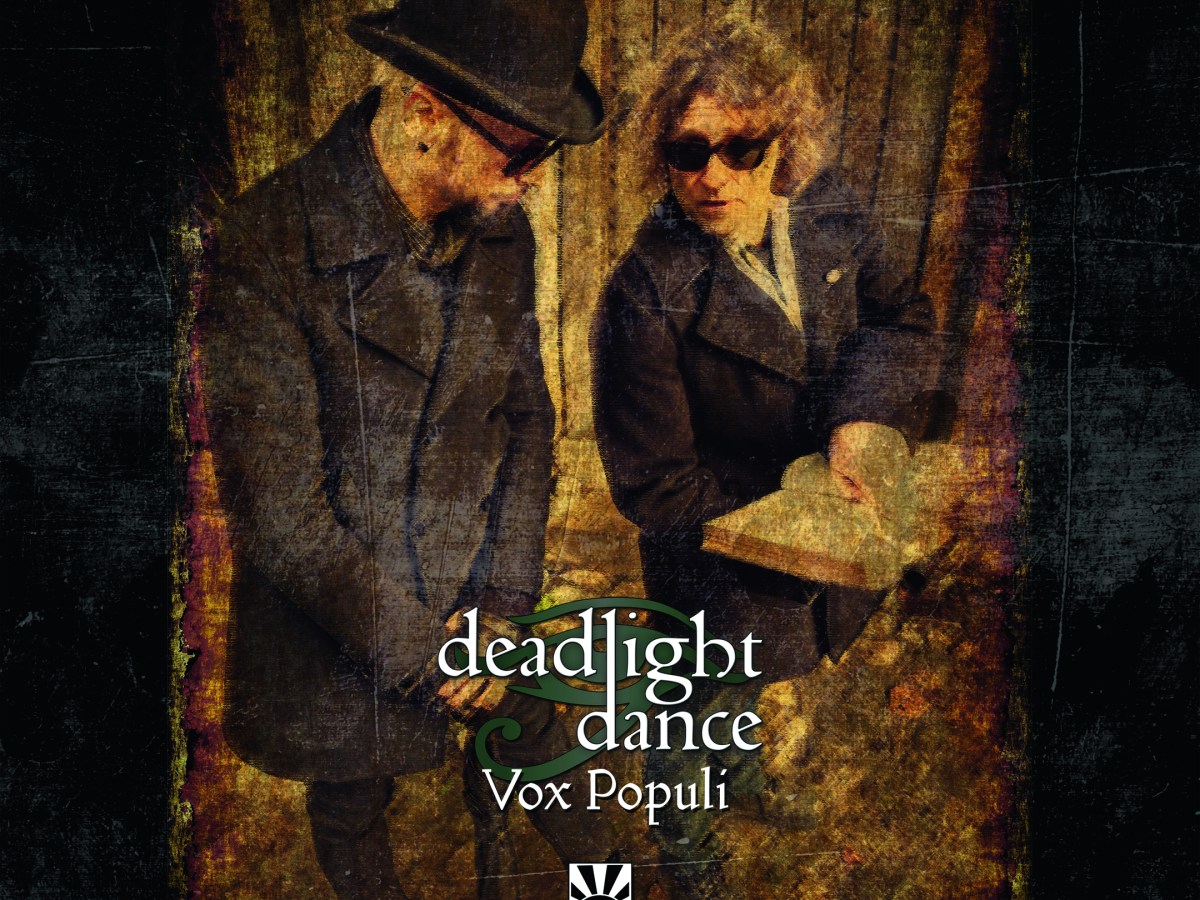
Vox Populi: New Album From Deadlight Dance
The difference between punk and goth is that as a punk you reject society, as a goth society rejects you. Being society lives mostly online…

Kate X: Swindon’s Best Kept Secret
You’re young, stars in your eyes, and you live in Swindon; you are not alone, but you are, unfortunately, up against Kate X! Kate is…
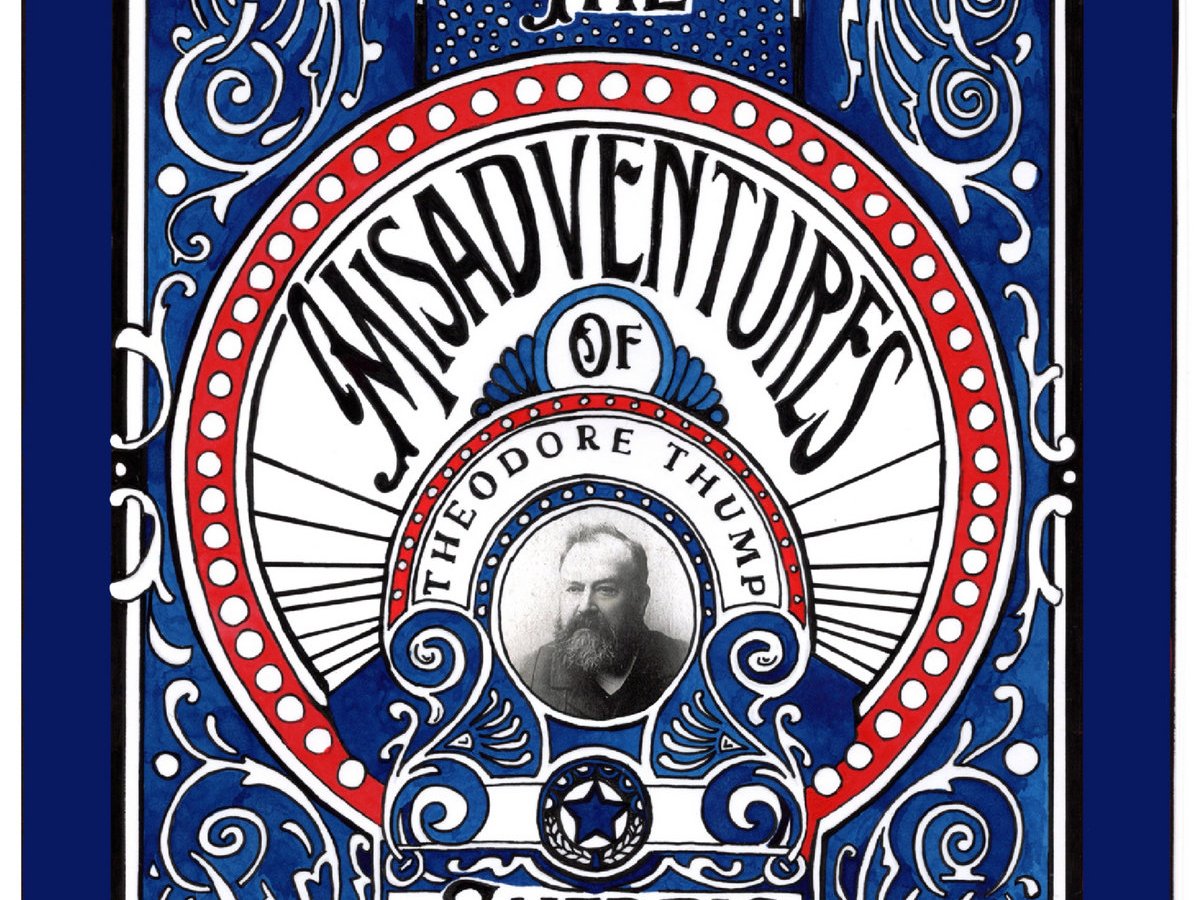
Shedric’s Misadventures of Theodore Thump
Just who is Theodore Thump? A wise pet rabbit? The mysterious sixth Beach Boy? This album newly released from Shedric, Swindon soloist and groovist of…
 devizine.com
2 thoughts on “Sparks in the Darkness: Cephid Takes Electronica to New Dimensions”