
by Ian Diddams
images by Simon Hoy
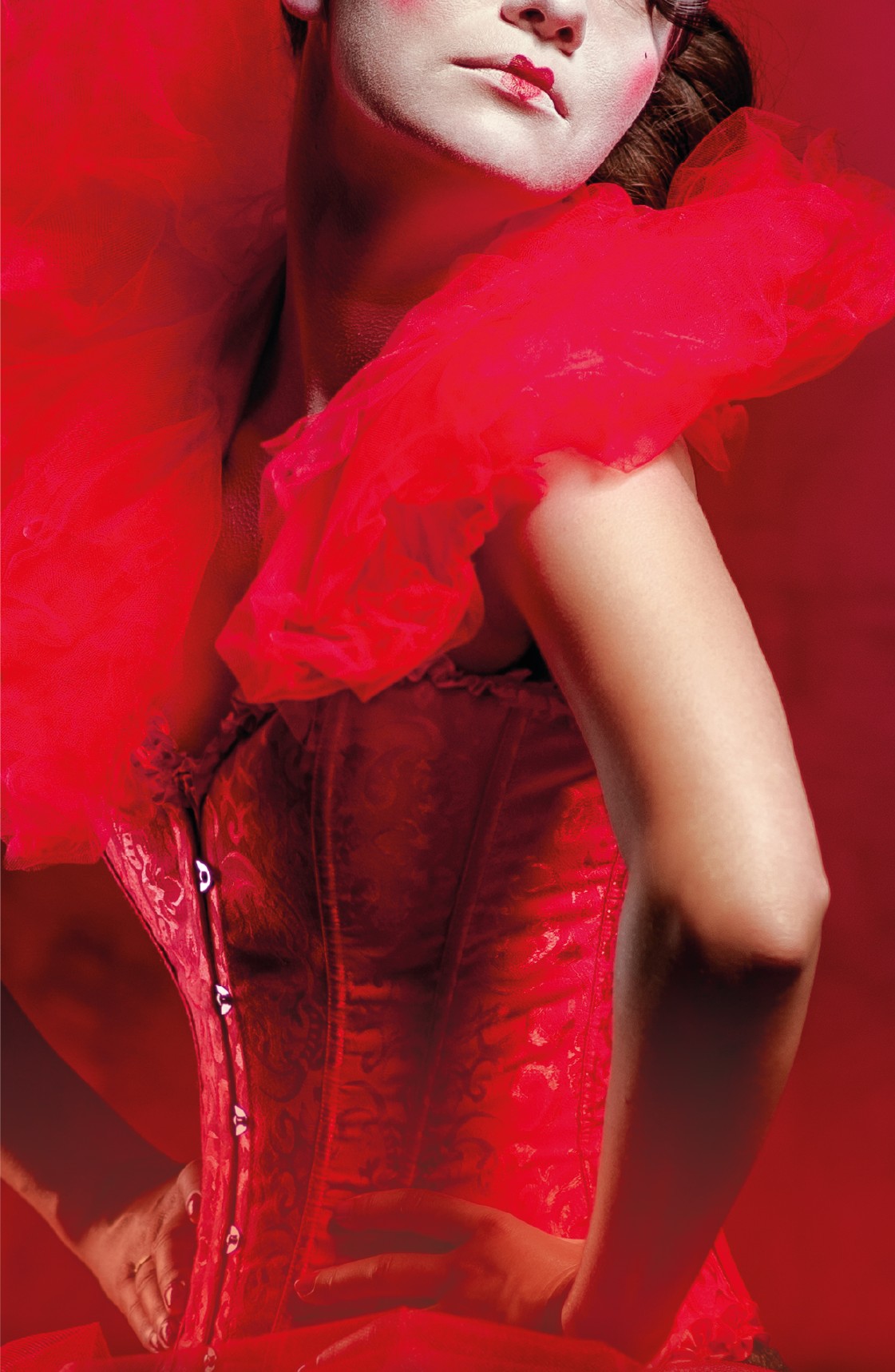
This tragi-comic play, set in 1660s London, focuses on the first English actresses allowed on stage after the Restoration. It explores the lives, struggles and camaraderie of five women navigating a male-dominated world, dealing with sexual exploitation, ageing, and the fight for artistic freedom. Bawdily funny yet profound, Playhouse Creatures explores the pitilessness of ageism and the need for economic independence. The play highlights the harsh realities of the early theatre scene, where actresses were often seen as ‘animals’ or ‘creatures’, rather than respected professionals. [ 3rd Third Theatre ]
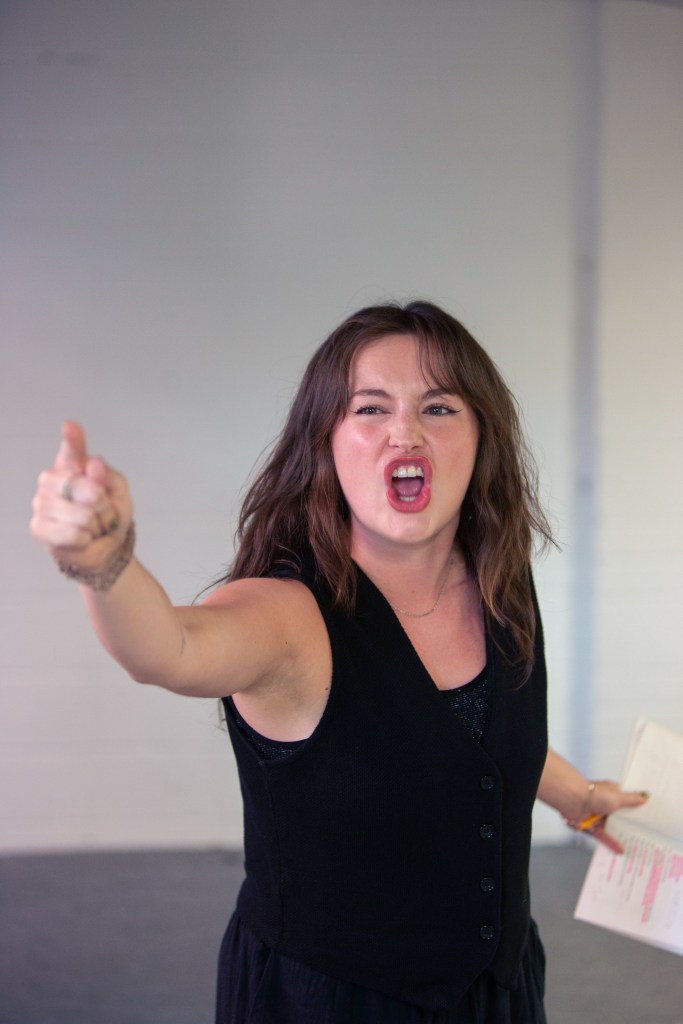
While April de Angelis’ play is – as above – set in the second half of the seventeenth century, and there are mentions to historical events of that period – the beheading of Charles I, Charles II, the plague, the Great Fire of London – as well as references to the contemporary theatre still of Shakespeare – nonetheless the real messages and contexts of its story are universal throughout time, including the present day. Its really about the patriarchal oppression of the female of the species, and only somebody that is living in a cave could fail to recognise that these women’s struggles are reflected in issues facing women almost four hundred years later than the play’s timeline. And then within those broadest of divisions, are portrayed further social demographics between the women of the story… of class differences.
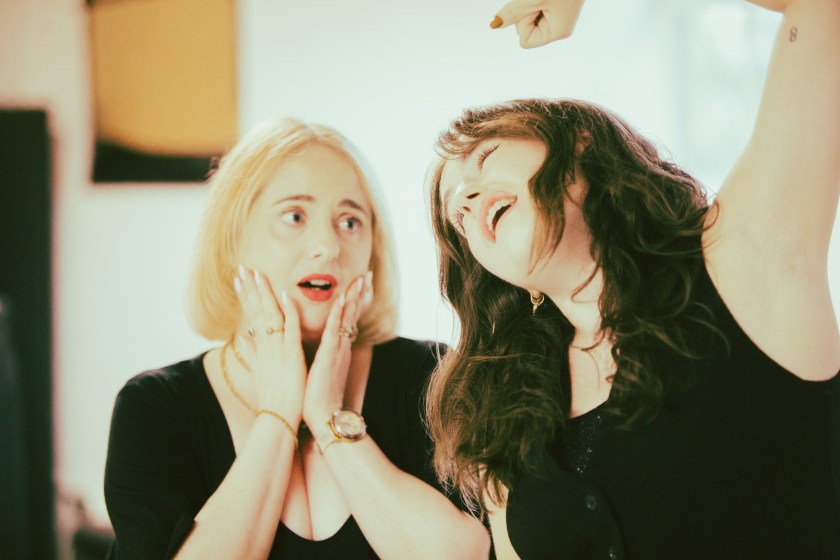
Some of the characters are actual historical figures, others a melange of types, none more so than the nominative deterministically named Doll Common. Played by Louise Peak, she represents the working class and is an everywoman – cleaner, dresser, messenger et al
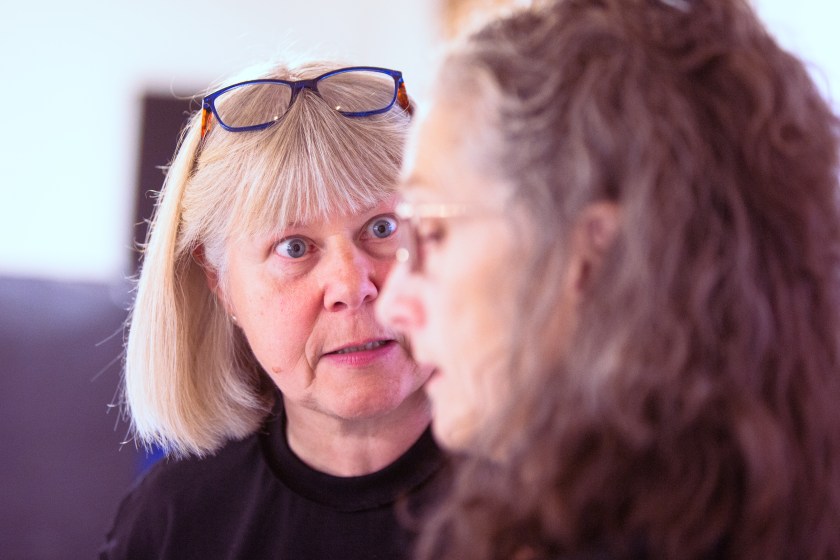
Elizabeth Farleigh, played by Sophie Kerr, is a societally acceptable woman, somewhat disdainfully interacting with those she sees as beneath her social position. However, she falls from grace and ends up as one of the under-class she previously showed open contempt for. Mary Betteton, delivered by Wendy Dophiede, is the matriarch of these women – a long-standing actress of note and phenomenal palmarès, whose husband ran the theatre they performed in… and who fell from her pedestal when replaced by younger, prettier actresses.
Nell Gwynn, portrayed by Grace Sheridan, probably the most well known today of the characters portrayed is a rags to riches story of commoner to leading actress and eventually a kept woman by King Charles II, while Rebecca Marshall, represented by Freddie Underwood, uses her connections as an actress to socially climb by marrying an Earl… to end up shunned by society as she is first tricked by a man, and then accused of a heinous crime.
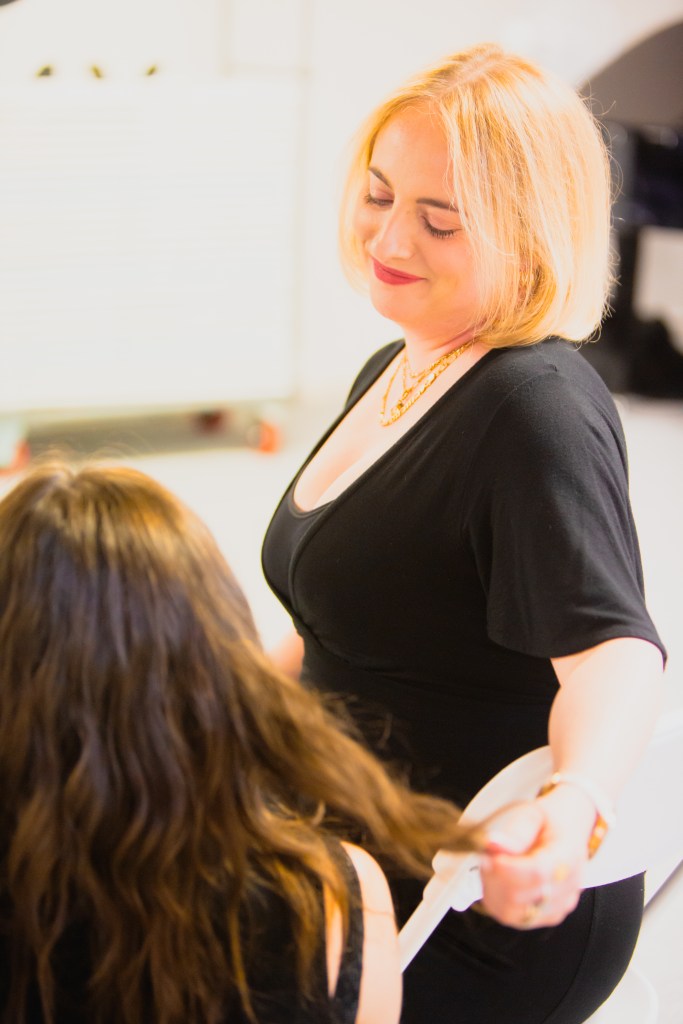
Five women, all under the control of men, trying to escape their lot… and all in differing ways ending up still oppressed by the patriarchy whether they rose, fell or trod water in life
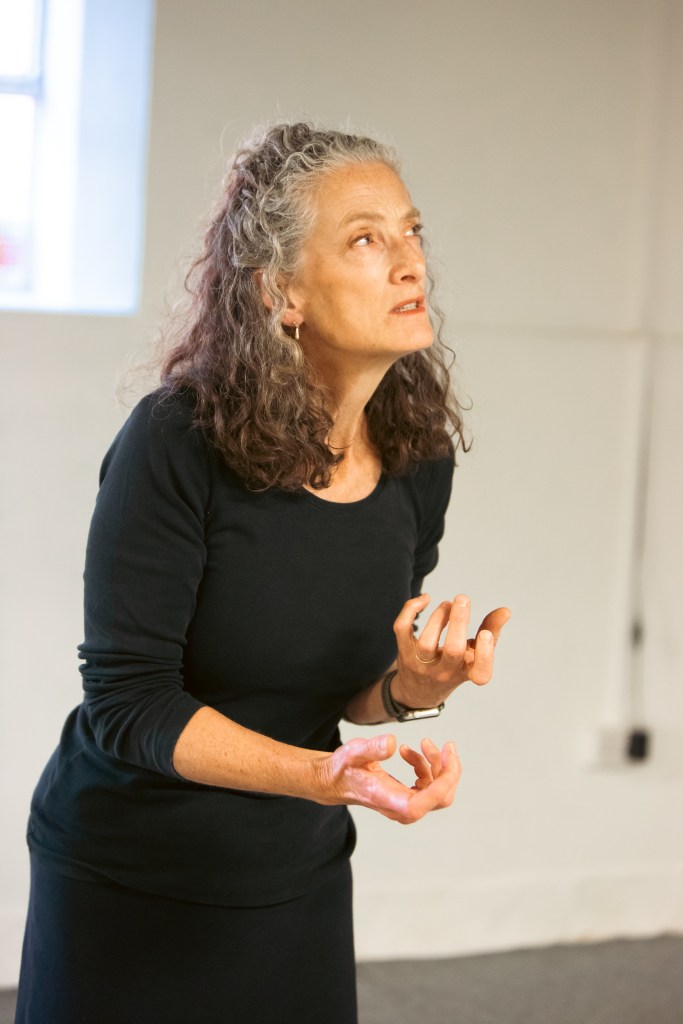
Five women, five stories, loosely intertwined. “Playhouse Creatures” is so much more than just five timelines though. It is funny, shocking, dramatic, poignant. These five actors and director Debby Wilkinson have together brought a black box performance to life, in the debut performance by new kid on the block, “3rd Third Theatre”.
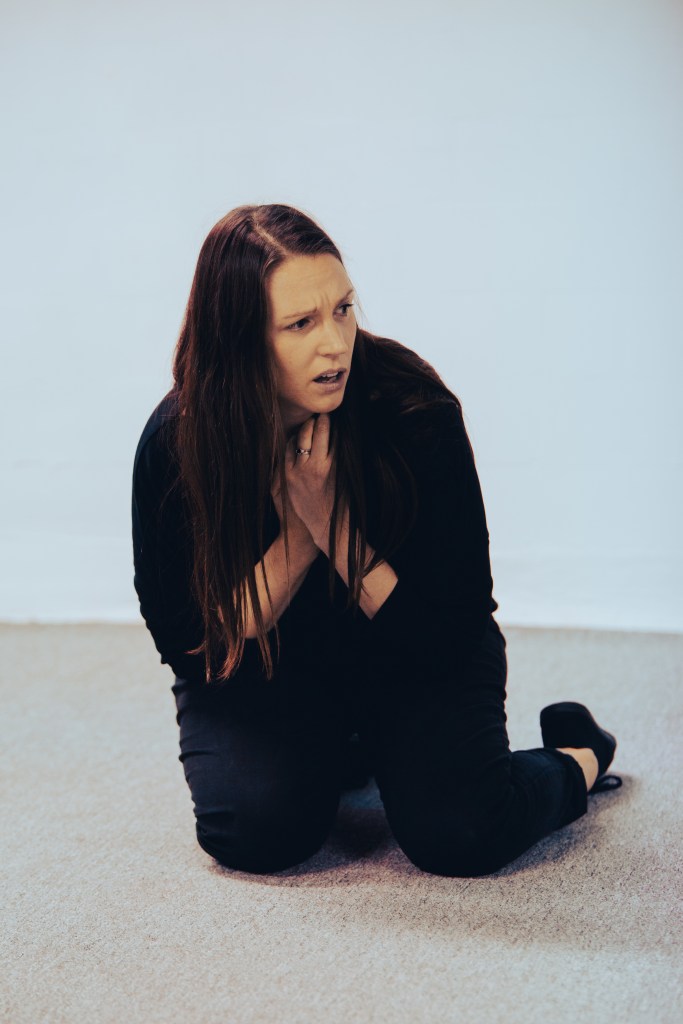
You can catch this rather super production in a few weeks time at
The Wharf Theatre, Devizes between October 8th and 10th, tickets available from https://www.ticketsource.com/the-wharf-theatre/playhouse-creatures/e-jpykpl


2 thoughts on ““Playhouse Creatures” at The Wharf Theatre, Devizes, October 8th-10th – A preview”