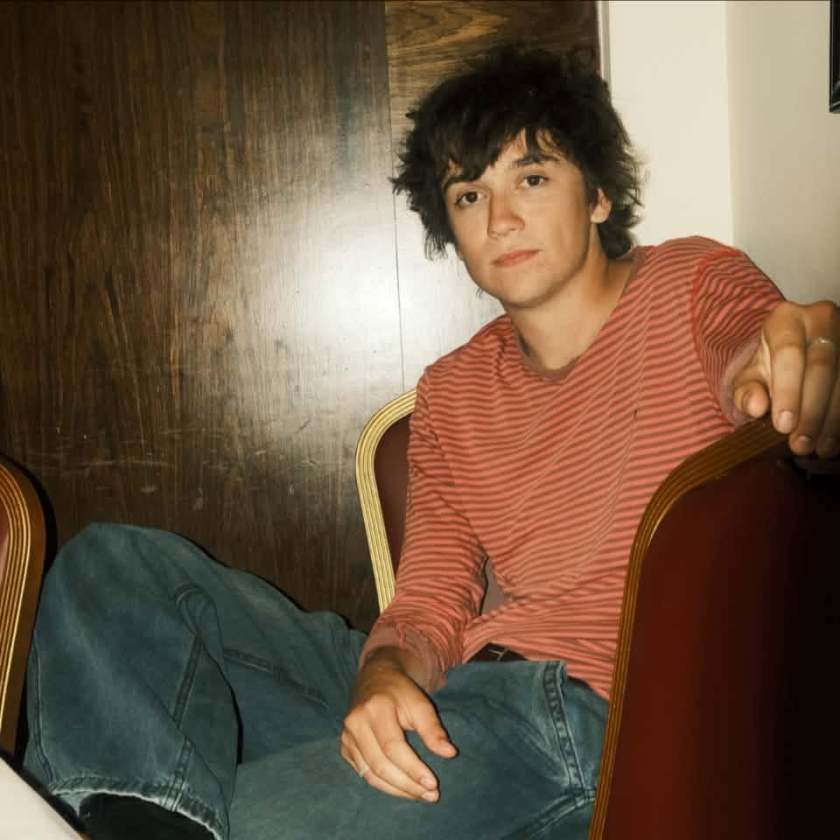
Oh my, it’s been about five hours since I listened to Dermot’s debut album, Bad Throw, Good Catch, and I remain flabbergasted at how brilliant it is. Apparently a Lavington paperboy originally, honed his skills busking on the streets of Paris while studying for a degree…
I was impressed by a video of Dermot, sent by a parent of Nothing Rhymes With Orange, as he supported them. Seeing he had a forthcoming album I sent him a message, to see if he fancied a review. Digging deeper, I noted at just twenty-three, he has signed to Island Records. Oh, got you, this must be the reason he hasn’t responded, I figured; he’s on a world tour, likely holding off for reviews from The Guardian or NME, and an interview with Dermot O’Leary rather than replying to a two-bit blogger! It’s got a local angle, though, so I took a listen, and a second, and a third; this one will be an indefinite stay on my Spotify.
Upon me wondering how Dermot had escaped our radar, frontman of NRWO Ellio explained “he’s just blown up;” something I hoped was Gen Z slang, and didn’t take it literally, because I predict he’s got six ever-progressing albums, at least, in his potential. If Dublin built a statue of Phil Lynott, Lavington Parish Council should start planning ahead.
I’m not shitting you, there’s no need for flattery; it wouldn’t be fair on others to compare this with local music. Yeah, he’s got the advantage of mainstream production, but he got there, and when you listen you’ll understand how.
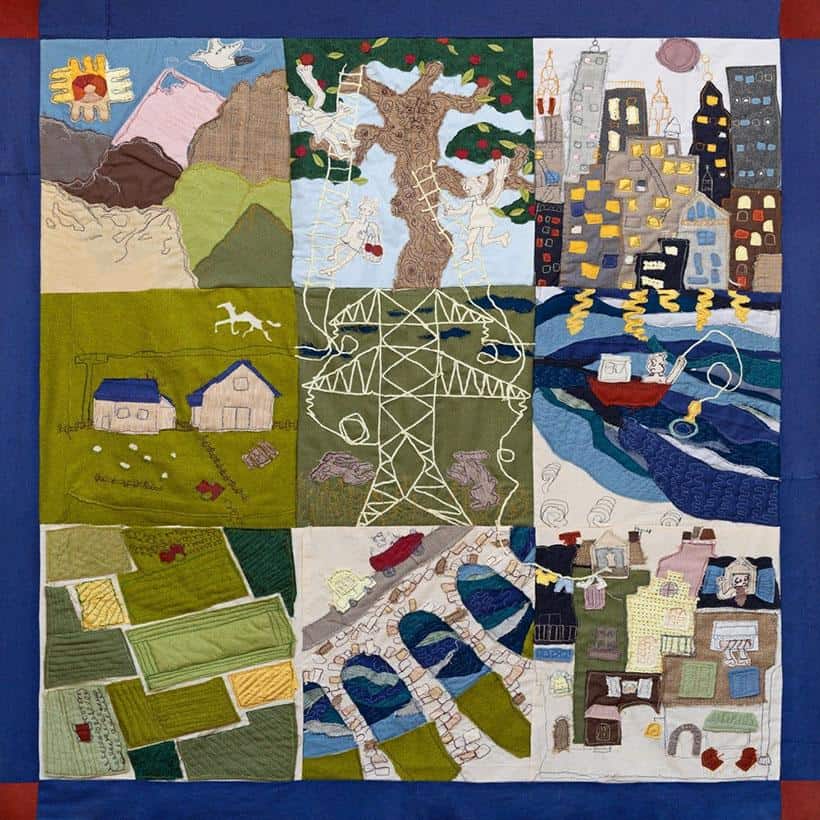
If Noah Kahan has caused a rebirth of breezy Americana folk, and the mainstay of Bad Throw, Good Catch relies on this genre, this has to be the best thing I’ve heard since The Great Divide. But, going out on a limb, because, like the patchwork quilt cover, there’s lots more going on here, for daring to experiment, this is the best album I’ve heard since A Guy Called Gerald’s Black Secret Technology. For fusion, I’d say Paul Simon’s Graceland. And for dedication to progress the Americana folk genre, I’d say it’s the best thing I’ve heard since Harvest, or Nebraska at the very least.
In these regarded accolades, there’s the honest songwriting elements, as well as the vocals, of Neil Young, or Nick Drake; imagine Neil Young’s voice blended with Roy Orbison, with the vocal range of Freddie Mercury, arranging an album like Abbey Road, and we’re moving in the right direction. The opening song reminded me of the Beatles during that most creative period, but then there’s a country-pop jaunt which follows, where he wishes he was Ennio Morricone.
Though it has the cowboy theme, I’m unsure if Morricone was a cowboy, rather a movie score composer who’s best remembered for his spaghetti western themes. Still though, there’s so many nods to influences, such as one to Paul Simon, and despite merging several styles, it is composed with a graceful flow, where nothing out of place jumps out at you, akin to the suspense created by Morricone. Save, perhaps, for a couple of surprises; Roman Villa, where, with harmonised female backing vocals, it has a low-fi electronica blip, like David Gray did shoegaze, and Serious Eyes on a Serious Earth, which follows and flips the whole thing into a lounge jazz vibe.
But overall, it’s sincere folk, with echoes of family and friendships, reflective with modern observations often witty, and passionate, when he expresses relationships, all making acoustic folk contemporary pop with a variety of twists and ingenious cherrypicked elements of indie, jazz, and citations of every influence which went before him. I found myself contemplating Bowie, Nina Simone, Tom Waits, as well as those already mentioned. It’s a melting pot, while subtle at most occasions, there’s rustic and raw in there too, and twelve songs, all sublime, which leave you hanging in awe, anticipating what comes next.
Lavington, I’m blown away; you should be proud.