Daphne Oram; Devizesโ€™ Unsung Pioneer of Electronic Sound: Part 2


Daphneโ€™s Family & Childhood Connection to Devizes

Celebrations of Daphne Oram have been building in London since the beginning of December, for those in the sphere of electronic music and music technology. On the first Thursday of the month The Barbican held a concert commemorating Daphne’s centenary, where sound and music fair access partner, Nonclassical, in partnership with The Oram Trust and Oram Awards played commissioned reimagined works from various contemporary electronic artists, inspired from tapes in Daphne’s archive. This has been released as the album, Vari/ations: An Ode To Oram.

London university Goldsmiths acquired Daphneโ€™s archive in 2006, bringing her work into the wider public domain, after decades of relative obscurity.  In the male dominated realm of electronic music, this has presented a better understanding of Daphne as a visionary in the early development of the genre, and in turn inspired female musicians and producers.

But our story begins rather differently, in the late nineteen-twenties, at Belle Vue House, Devizes, where a much younger Daphne is caught trying to climb inside the family piano! Daphne’s niece Carolyn Scales explained, โ€œshe was asked โ€˜why are you doing that?โ€™ and Daphne replied, she wanted the piano to make a sound between the notes on the keyboard.โ€

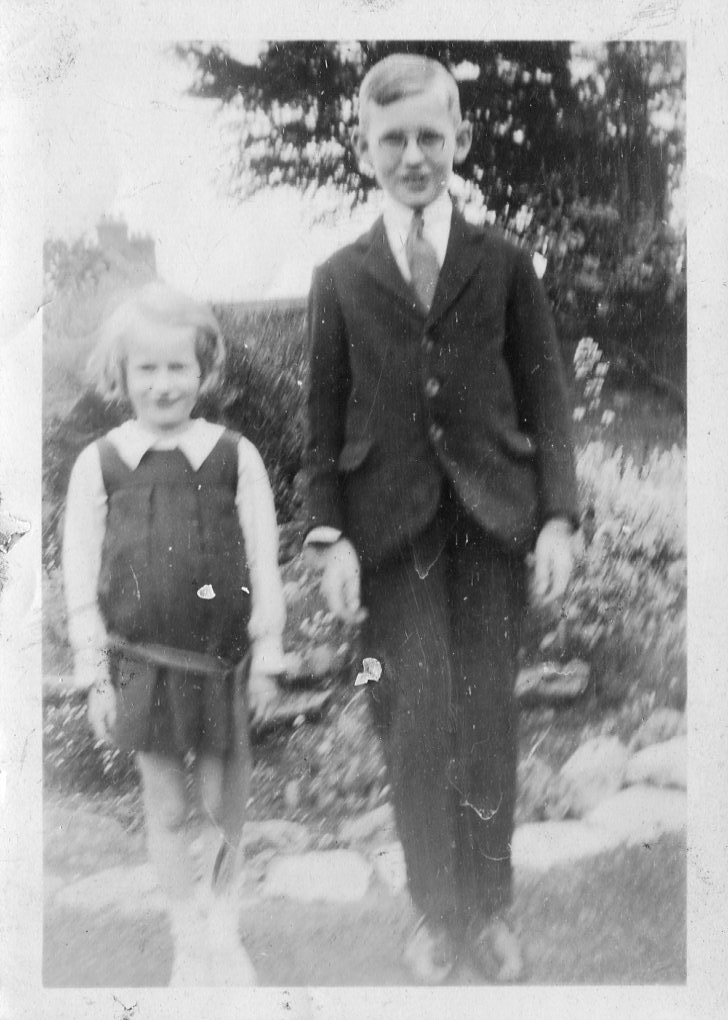
Daphne with brother John

Iโ€™m grateful to Carolyn for providing some fascinating background into Daphneโ€™s family and childhood in Devizes, something overlooked by the insurmountable information available regarding her work.

โ€œAll the siblings enjoyed listening to classical music but only Daphne had the ability to create music,โ€ she told me. โ€œIdaโ€™s sisters often joined her to play trios and quartets at Belle Vue House while James did learn to play the cello but was happy to stand aside for more competent players. In his defence Jamesโ€™s fatherโ€™s diaries only mention one musical instrument at their home, a piano declared by a piano tuner as not worthy of tuning. Maybe we underestimate the strength of our Oram artistic genes.โ€

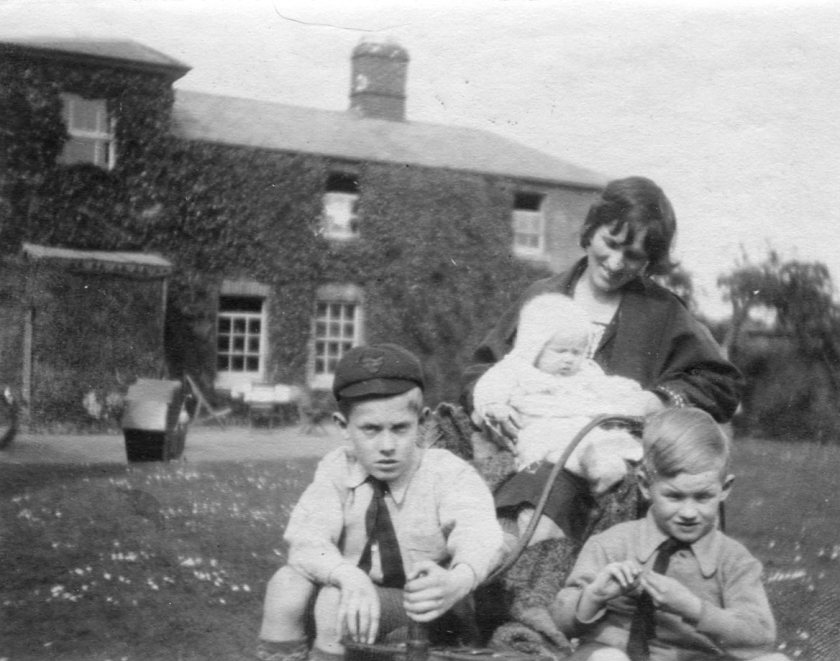
Daphne at five months, with mother, Ida, brothers Arthur and John

Daphne Blake Oram was born on the 31st December 1925, to James Oram (1890-1964) and Ida nee Talbot (1887-1972.) โ€œIda ,โ€ Carolyn explained, โ€œwho at heart seems to have been a natural party goer, was plagued by ill health. Daphne was born in Ivy House Nursing Home not because of a fear of losing Daphne but because of Idaโ€™s problems with her legs. In the first photograph of Daphne she is being held by Ida who is sitting in a wicker bath chair with Arthur and John in front of their new home of Belle Vue House.โ€

โ€œIda was born in Braintree, Essex into a family of drapers,โ€  Carolyn said, โ€œwho soon moved to a shop on Maryport Street, Devizes, opposite the top of The Brittox, which they ran from 1888 until 1914. Unfortunately Idaโ€™s father Alfred died in 1896 leaving her mother Alice nee Blake to run the business.โ€ She continued to describe  Aliceโ€™s six children helping at the shop, and its failure, though  Ida was in charge of the millinery department, and how later there was a room in Belle Vue House devoted to her hats. Carolyn told of Idaโ€™s painting  hobby, in watercolours, oils and other mediums.
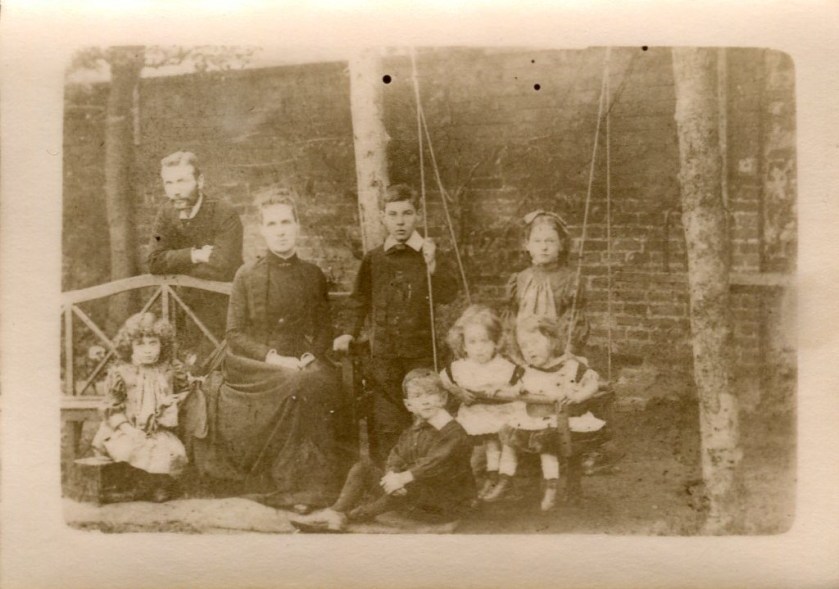
Talbot family with parents. Ida on swing with her twin

Daphneโ€™s father, James, was known in Devizes as โ€œJimโ€ or โ€œJimmy.โ€ He was not Irish but proud of his upbringing off the coast of County Mayo, and โ€œnever lost his soft Irish brogue.โ€ His father Arthur Oram was a farmer and land agent in one of the most deprived parts of rural Ireland, hit hard by the famines of the early 1800s, and as such it was a natural breeding ground for agrarian discontent, later producing some prominent members of the IRA. This caused James to be keenly aware of local injustices.

โ€œIn 1961, when James took us to see where he was born,โ€ Carolyn expressed, โ€œhe told us he was upset that he was not allowed to go to school with his friends. They were Catholic and he was a Protestant and to highlight the differences James and his siblings had to travel to school in Newport by pony and trap, rather than walk to the local school.โ€

โ€œI feel sure that our father John was correct in saying that if James had stayed in Ireland he would have become a renowned barrister. Unfortunately, just as James left school there was a change in the familyโ€™s fortunes as The Congested Districts Board on behalf of the British Government were, quite rightly buying estates and redistributing the land among farmers living on tenanted, uneconomic smallholdings.โ€

Therefore, instead of attending university at sixteen James travelled to Devizes, to help his uncle (by marriage,) Alfred Hinxman, the manager of the Devizes branch of a Salisbury coal merchant.  James lived in Devizes for the rest his life, managing the coal merchant until his retirement. Overseeing the distribution of coal in the southwest during the Second World War, James was so horrified by the profiteering he didnโ€™t take a penny for his efforts and received a MBE.
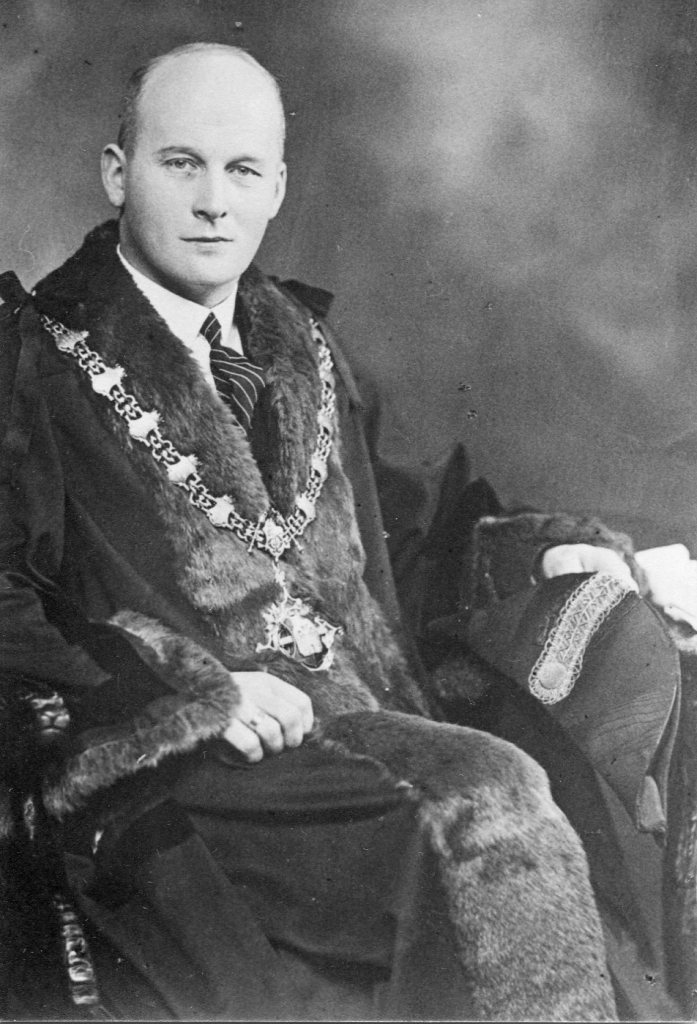
James Oram, Devizes Mayor

โ€œJames soon became a trusted member of the community,โ€ Carolyn said, โ€œactive in its civic life, as a magistrate and a school governor. This included being Mayor of Devizes during The Abdication and coronation of George VI.โ€

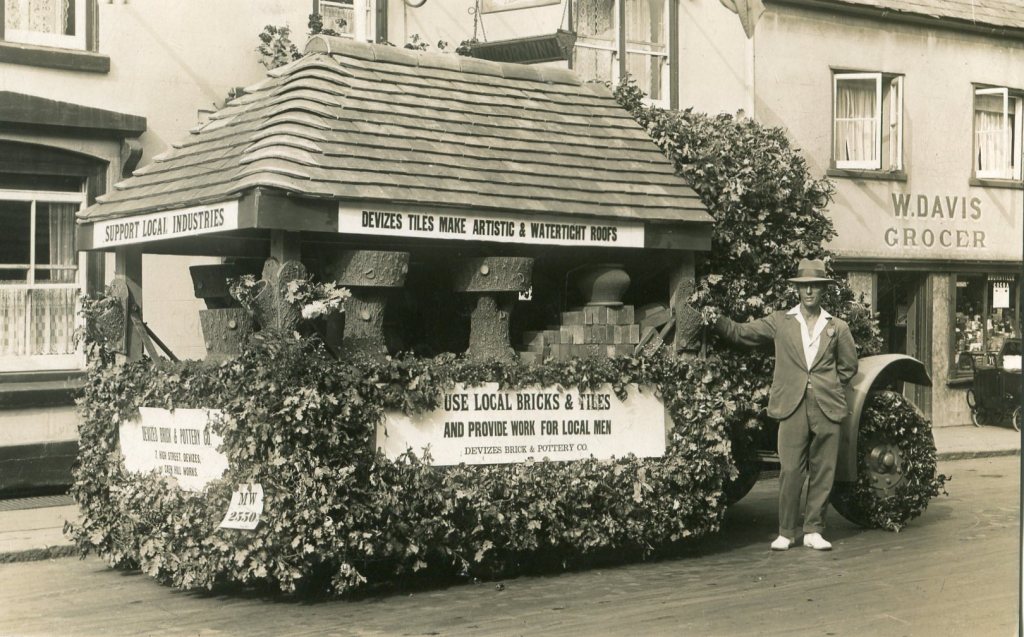
โ€œJames also successfully became involved in many businesses including The Devizes Brick and Tile Co. Somehow James also found time for his interest in local history and was a member of various local societies. He could have become wealthy but instead gave away his excess income after ensuring that his family lived in a comfortable style. Every Sunday dinner during the depression of the 1930s they would discuss the families that the brickworks supported, carefully working out if they would have the money to feed their children. The discussion would end by choosing someone who was struggling to hire to cut the Belle Vue House lawn during the following week.โ€

The Devizes Brick and Tile Co. Photograph by HR Edmonds

Jamesโ€™ generous nature rubbed off on his children.  Daphne actively supported composersโ€™ rights to royalties while she was a Trustee of The Performing Rights Society in the 1970s.  โ€œIn particular,โ€ Carolyn noted, โ€œDaphne helped to set up the PRS Membersโ€™ Fund that continues to support those registered with the PRS and their families when they are in need of financial help. During the 1980s Daphne arranged Christmas hampers for these families.โ€

Before Daphne was born the family lived in rooms above the coal merchantโ€™s office at 7 High Street, Devizes. James wanted Belle Vue House, empty at the time but out of his price range, until the  state of dilapidation dropped far enough, which was just as Daphne was being born. The house would have been at the end of Belle Vue Road, now replaced by Waiblingen Way housing estate. 

Retired designer Paul Bryant, who still resides locally told me he grew up close to Belle Vue House, and recalled her returning to the family home and, โ€œthe excitement that was generated when she was awarded grants from the Gulbenkian Foundation.โ€ Paul expressed โ€œit is heartening to see the ancient horse chestnut tree, then at the end of the Oram’s garden, still surviving in Waiblingen Way.โ€ Meanwhile, local musician Peter Easton has written in request for a blue plaque to be erected in Daphneโ€™s honour.

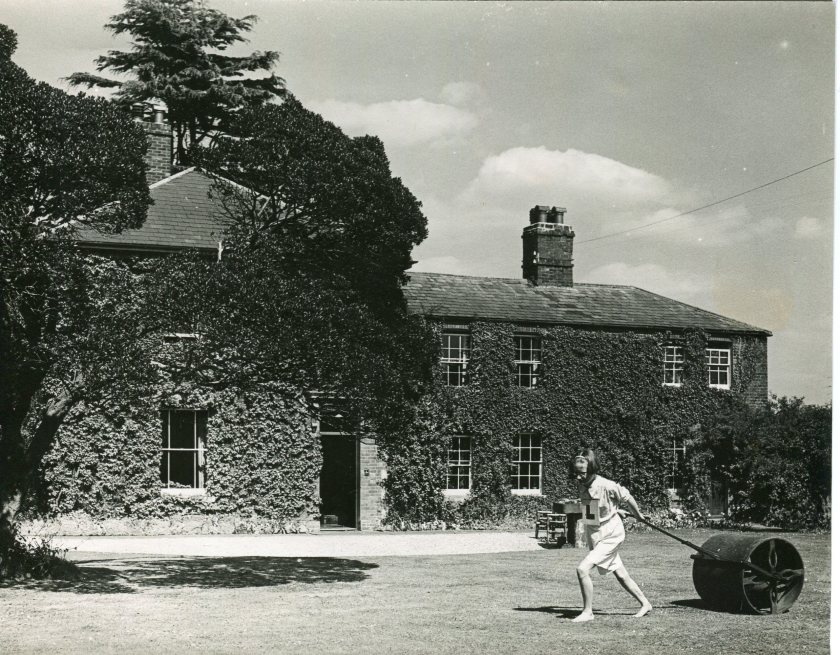
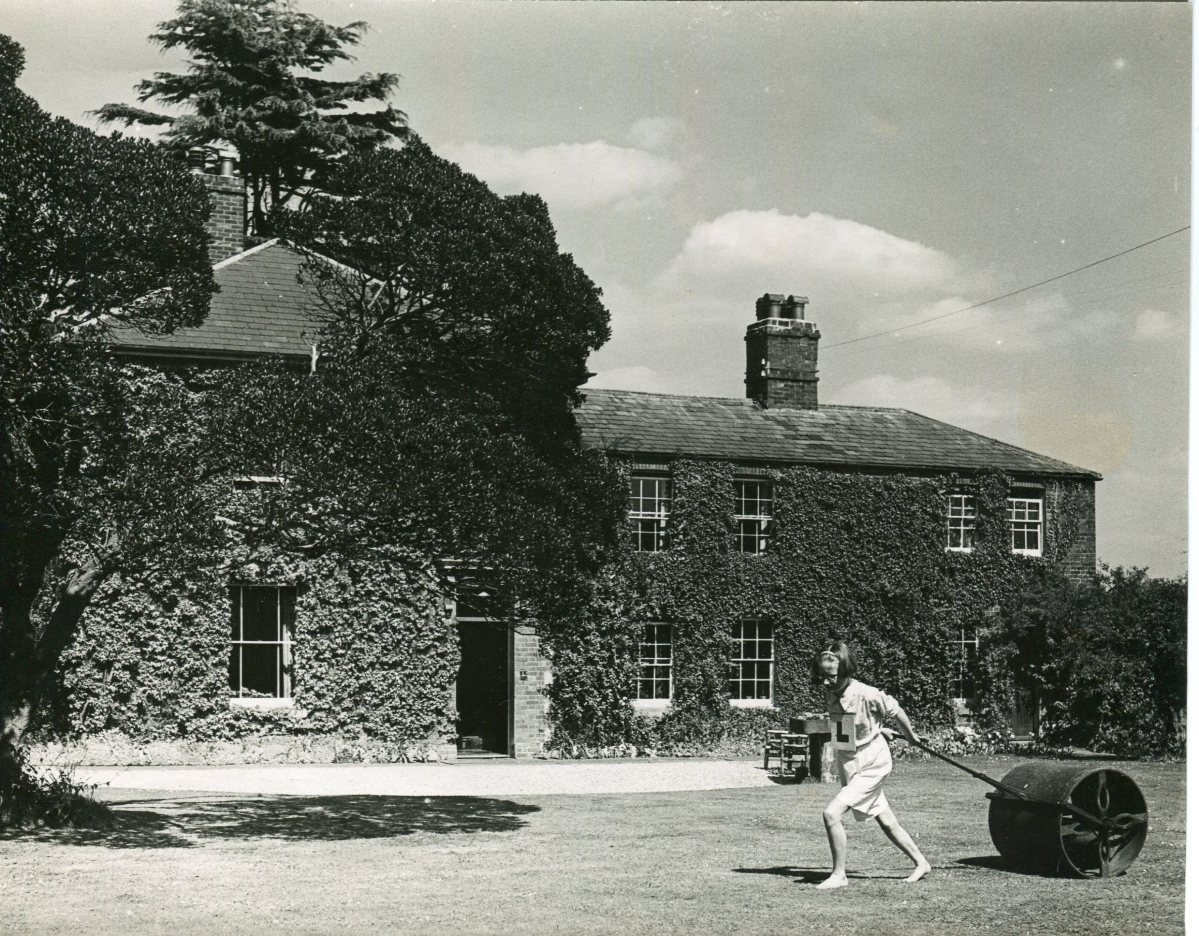
Daphne, with the grass roller at Belle Vue House, Devizes

Carolyn explained how the siblingโ€™s engineering abilities can also be traced to the Oram side of the family. โ€œTheir great uncle John had designed machinery to make barrels for Rockefellerโ€™s oil, and their uncle Arthur oversaw many civil engineering projects in the Indus Valley, now in Pakistan.โ€

โ€œArthur, aged 9 and John, aged 5 were to share a bedroom with an adjoining dressing room that James agreed they would turn into a workshop,โ€ Carolyn said. โ€œThey had already started their own tool kits and Arthur was delighted when James added a foot controlled fret saw.โ€

In a letter to John dated April 2003, Arthur wrote it would be the 77th anniversary of their move from the High Street to Belle Vue House: โ€œEvery 20th April was the day of an annual fair on the Green, and Hitlerโ€™s birthday. That one in 1926 was a very special wet Tuesday for us. Our mother was taken the half-mile in a big closed Bath Chair drawn by a man holding the long handle in front, because of her illness with a bad knee. She was helped into their old oak bed in the drawing room, on the right of the door towards the fireplace. In that room there was placed, near the door, the old radio that our mother had bought some years before from proceeds of her Barbola work, with its two bright emitter valves and six volt battery, from which we had news through the general strike of 1926.โ€

โ€œLater the workshop became home to Johnโ€™s lathe and of great interest to Daphne. John told me that he was sometimes very mean to Daphne when she came to the workshop. At first she had to stay outside the open door and be silent, if she passed that test she was allowed to stand just inside the door for a while before coming closer to John and even helping when possible. John taught Daphne to use a lathe and she had one of his old lathes at Tower Folly, albeit by then worn and no longer a precision tool. John also admitted to teasing Daphne over his Meccano set that she wanted to play with. Daphne had to watch John make, say a crane ,then he would tighten all the nuts and bolts before walking away leaving Daphne to dismantle his work.โ€

Daphne visits her parents in Devizes

Carolyn said, โ€œthere were three main early influences on Arthur, John and Daphne namely their father James, mother Ida and their home which gave them space to both work together and follow their own particular interests.โ€

Iโ€™m eternally grateful to Carolyn Scales, Daphne’s niece, for a fascinating insight into Daphneโ€™s early years and family life, and for the photographs too. It seems her curious childhood nature was focused on what makes music, and her engineering skills were honed early, enhanced by her intrigue and not being allowed to assist by her elder brothers. This led her to create  the Oramics Machine, her early synthesiser, built in the 1960s, but lost after her death. We should concentrate our efforts on Daphneโ€™s work  in the third part, and how it shaped modern music……

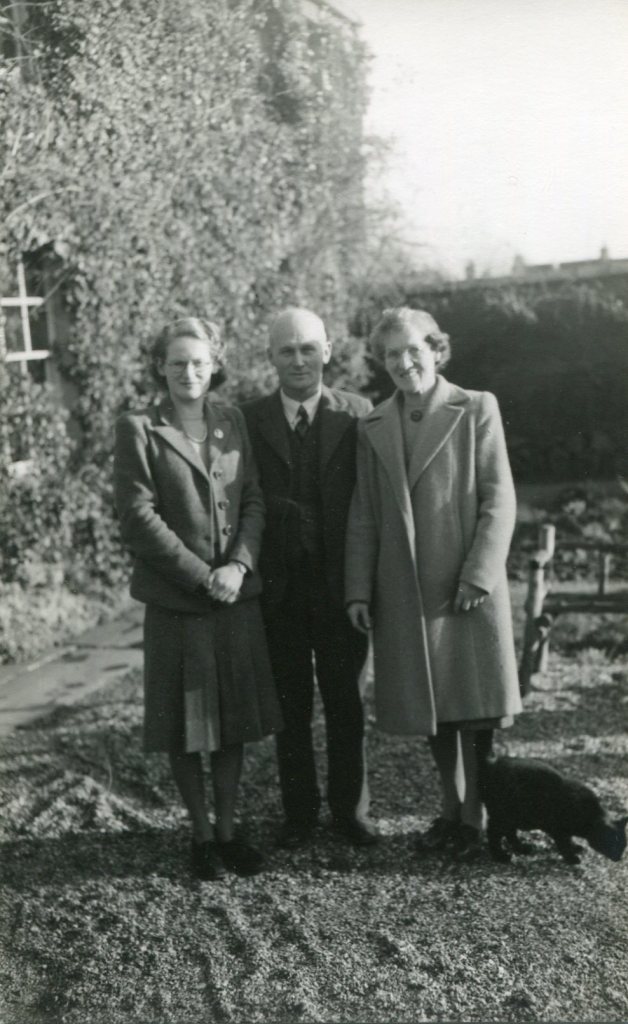
All images are taken with permission from the personal collection of Carolyn Scales with thanks. ยฉ2025 Carolyn Scales. Please ask permission before use.
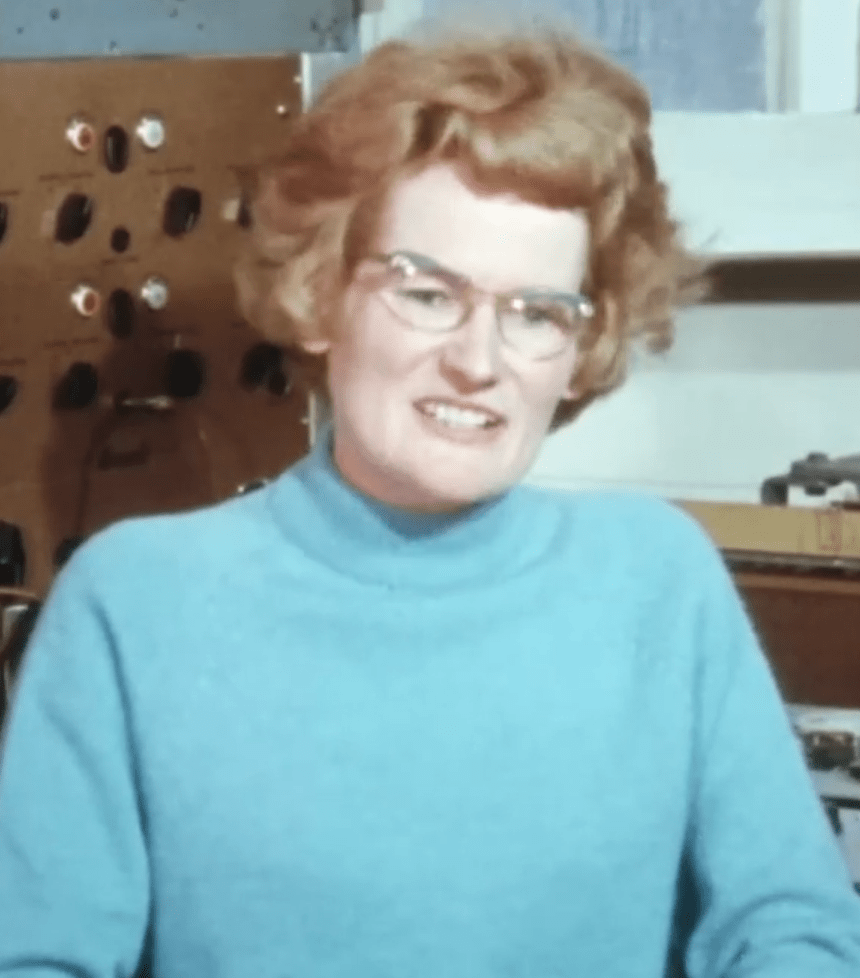

Daphne Oram; Devizesโ€™ Unsung Pioneer of Electronic Sound

Part 1: An Introduction

March 1936: newlywed French telecommunications engineer Pierre Schaeffer relocates to Paris from Strasbourg and finds work in radio broadcasting. He embarks on early radiophonic experiments. Fifteen years of his research, his inventions of various electronic instruments, and collaborations with Pierre Henry would lead them to found Groupe de Recherche de Musique Concrรจte. Musique concrรจte would be the root of the utilisation of modified recorded sound through audio signal processing and tape techniques.

Across the channel, itโ€™s the St. Clementโ€™s Fair in Devizes. The town hall is decorated with a foliage of oranges and lemons, and the โ€œBells of St Clementโ€™sโ€ was recited with handbells to declare the fair open. Devizes Congregationsts arranged a small eisteddfod, which would be the origins of todayโ€™s Devizes Eisteddfod, founded ten years later to raise funds for the Congregational Church, opposite Wadworthโ€™s Brewery.

The connection? Well, two cups were awarded by the minister Rev. W.S.H Hallett; one for Ruth Mead for a vocal solo, and the second to eleven-year-old Daphne Oram, for a pianoforte solo. The daughter of James and Ida Oram, Daphne was educated at Sherborne School for Girls in Dorset, where she was tutored in piano and musical composition.

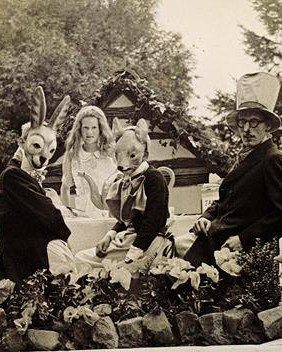
Daphne Oram as a young girl dressed as Alice in Wonderland with family, for the Devizes Carnival: Source Wiltshire Museum

At seventeen Daphne moved to London, turned down a place at the Royal College of Music, to become a junior sound engineer at the BBC, where she would โ€œshadowโ€ concerts with a pre-recorded version, allowing the broadcast to continue despite interference or blackouts due to air raids.

Throughout the 1940s Daphne devoted herself to the pioneering of electronic sound, labouring into the night composing various pieces, most far too avant-garde for the traditionalist BBC bosses to consider publishing. Promoted to music studio manager after a decade, she eventually convinced the BBC to the benefits of electronic music and musique concrรฉte for use in programming; particularly for The BBC Third Programme, replaced by BBC Radio 3. By 1957 they caved, and Daphne was appointed the original co-director of The BBC Radiophonic Workshop with Senior Studio Manager Desmond Briscoe.

Their early efforts were for radio: radiophonic poems, effects for prevalent sci-fi serials like Quatermass and The Pit, and comedy sounds for The Goon Show. Yet Daphneโ€™s motivation remained in electronic music production, and she resigned in 1959 to freelance, moving again to Kent.

Daphne Oram was way ahead of her time, a visionary frustrated with the direction The Radiophonic Workshop was heading, because electronic music was still in its infancy, especially the acceptance of it. The workshop continued without her and eventually branched into music, as television took over.

A trainee assistant studio manager called Delia Derbyshire joined the workshop, creating numerous scores and effects for television programmes. Most notably in 1963, when Derbyshire electronically modified Ron Grainerโ€™s Doctor Who theme, hailed as the pinnacle moment in the advancement of electronic music in Britain. Though, BBC bureaucracy as it was, Delia was never credited on-screen for it until twelve years after her passing, in a 2013 fiftieth anniversary special, The Day of the Doctor. Her work has since been acknowledged and revered, whilst Daphne Oram remains a relatively unsung heroine in the development of electronic music.

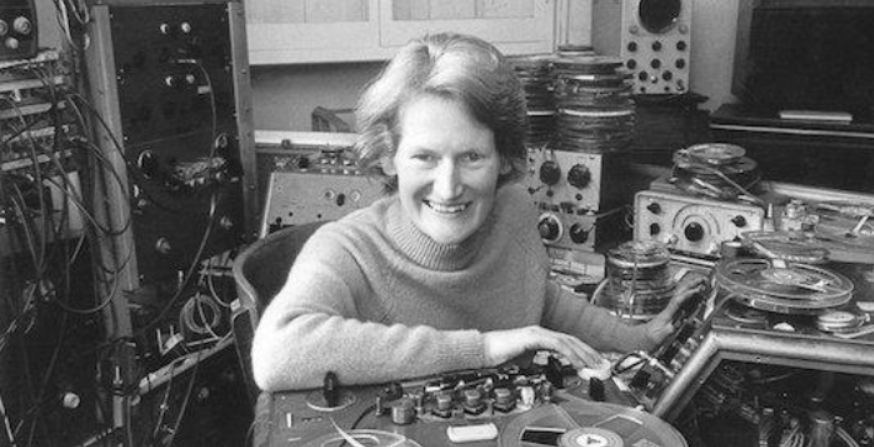
Image: Daphne Oram

Futurist Luigi Russolo argues in a 1913 letter to composer Francesco Pratella, a manifesto referred to as The Art of Noises, that the ear will become accustomed to noises of urbanisation and industrial soundscapes, and thus mankind will develop a new sonic palette as technology progresses. A fascinating and accurate theory into the evolution of sound, in which Russolo encouraged musicians to listen to city sounds, which will putatively be the cymatics of future music.

I find myself reasoning if this explains why electronic music today is most popular in urban environments rather than rural. Due to music famed promoter Mel Bush, Devizes retains an affection for the blues, using authentic analogue instruments. Producers of electronic music are rare here. If you want dance music, which greater acquires the usage of technology than rock, blues, or folk, you may need to head towards Bristol, Swindon, or Salisbury.

But coming from a more urban background and growing up in the eighties and nineties, personally Iโ€™ve never outcasted electronics in music. Even if a musician is using analogue methods to create music, they will at the least use the internet to promote them. With eclectic tastes, I also love electronica, hip hop, dub, and dance music, and I love to explore the origins of it. So, this research project has me fascinated, the life and work of Daphne Oram, and her growing up in Devizes. I wondered how she became involved.

A graphical sound technique where shapes etched into filmstrips are read by photo-electric cells and transformed into for various parameters of sound is called Oramics, after its creator Daphne Oram at her Oramics Studios in Kent. She expressed hope that her work on Oramics would โ€œplant seeds that would mature in the 21st century.โ€ Her legacy is commemorated in the annual Oram Awards, and the 2022 BBC Masterbrand Sonic, was internally known as “Daphne,” but still in her hometown sheโ€™s not widely known, neither are her early years spent in Devizes well documented.

This month, Daphne would have celebrated her one-hundredth birthday. So, join me in an exploration of her life and work in a series of articles. We will talk with Daphneโ€™s niece, Carolyn Scales, about her early years in Devizes, explore her work further, and talk with a local producer of electronic music about her legacy and the impact her work has on them. Because one thing is certain, without Daphne Oram music today would sound vastly different, at least it would in the UK, and during the boom of pop, as you should be aware, Britain led the way. I believe that it is worth commemorating and honouring her here in her birthplace, Devizes.


Electric Dream Comes True; Cephidโ€™s Sparks in the Darkness at The Rondo

A sublime evening of electronic elegance was had at Bathโ€™s humble Rondo Theatre last night, where Cephidโ€™s album, Sparks in The Darkness, was played out exclusively to a packed house. It was, in a word, breathtakingโ€ฆ.
The type of genius who built a laser-harp at seventeen years old, Cephid‘s composer, producer and multi-instrumentalist Moray McDonald is bound by modesty, and appeared, prior to the show, understandingly nervous about the prospect of performing. He hadnโ€™t contemplated ever reproducing this masterwork on stage, for the project began as a collection of demos he created โ€œfor fun.โ€ โ€œWith all my focus being on creating an album that would live up to the grand ideas in my head,โ€ he explained, โ€œI didnโ€™t stop to think about whether this music could be performed in a live environment.โ€

Seems he shies from being centre of attention, his comfort zone on stage favouring the many occasions he hides as a keyboardist in prog rock bands. Moray, currently residing in Lavington, cut his teeth touring with progressive rock and metal artists such as That Joe Payne, Godsticks, Kim Seviour and Ghost Community, more recently he remixed for OMD.

Moray was adamant this was a totally exclusive show which wouldnโ€™t be taken on the road, although it has the magnitude of doing so. The show was produced and promoted by his partner Charlotte, whoโ€™s theatrical flamboyance encourages Moray to overcome his reservedness. Therefore a communal air bloomed in the audience, that this was a one-off treat, and we were the lucky few; because we were.

Being I was there to review, it probably didn’t help his anxiety any telling him I’d seen Kraftwerk at a Tribal Gathering of yore, where from every tent of every subgenre ravers descended to observe the roots of it all. โ€œKraftwerk was the beginning of everything,โ€ he agreed.

While itโ€™s an accurate summary of the origins of electronic pop music, Sparks in The Darkness delves beyond this for inspiration. Itโ€™s orchestral on a Jean-Michel Jarre level; even if the show wasnโ€™t to the same scale it was in spirit. It nodded to the trial phase of electronic music, prog-rockโ€™s psychedelic swirls found in Pink Floyd, Led Zeppelin et al, and continues to the ambient house pioneers like The KLF and Orb. It rests on the heyday of electronica, the quirky experiments of new wave post-punk like New Order, and early US electro outfits, like Newcleus. Yet it incorporates contemporary technological advances, the variety of modern subgenres stemming from it, and it evoked in me a fascination with the history of electronic sound.

To contemplate futurist Luigi Russoloโ€™s 1913 The Art of Noises theories, that music would change due to the ear becoming accustomed to mechanical, industrial and urban noises, and the dadaists flouting this, is to consider the eighties clunkiness of the engine sampling of the aptly named Art of Noise, or Yello, or the piercing hubbub of acid houseโ€™s 303s, for the sake of artistic expressionism rather than melodious music. Sparks in The Darkness doesnโ€™t go there, it doesnโ€™t tumultuously provoke, rather itโ€™s polyphonically beautiful, sampleless, and tonally complimentary on the ear. In this, the decades of electronic music progression has become an epoch, therefore a โ€œfolkโ€ music, effectively turning music full circle; Cephid is on that cusp, and proved it last night.

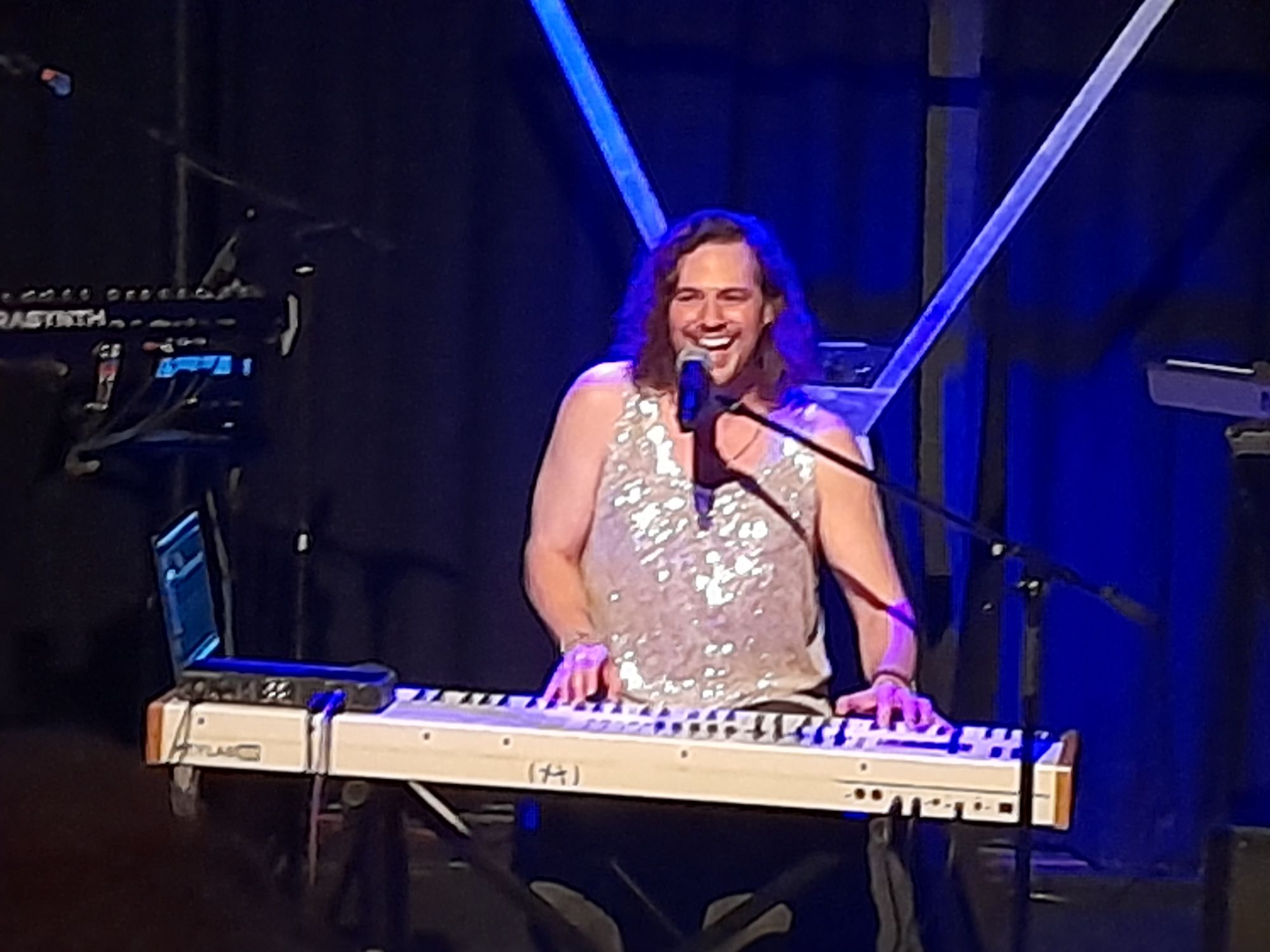
But not before That Joe Payne, who later returned to the stage to provide vocals for Cephid, supported with an astounding original set. With just keyboard and voice he acoustically gifted us with a one-man rock opera, the like Iโ€™d never seen before. Combining camp comedy with tragedy, reminiscent of Elton Johnโ€™s heyday and expressed divinely with the vast vocal range of Freddie Mercury, this was delicious vaudeville. Though I cite these clear influences, they broke the mould when they made That Joe Payne, and that is the only shame about this highly entertaining character.

If That Joe Payne was something which bucked my norm in the nicest of methods, the whole evening was equally different for me, who these days is used to traditional rock, folk, or blues bands, and even with a history of dance music under my belt, this wasnโ€™t a rave anymore than it was a gig in the tradition of, even if the effect was similar. This was a showcase of modernism, an electronica fantasy in fruition. If at any point I likened it to something visually, it was Howard Jones meets Orbital, and thatโ€™s a high compliment.

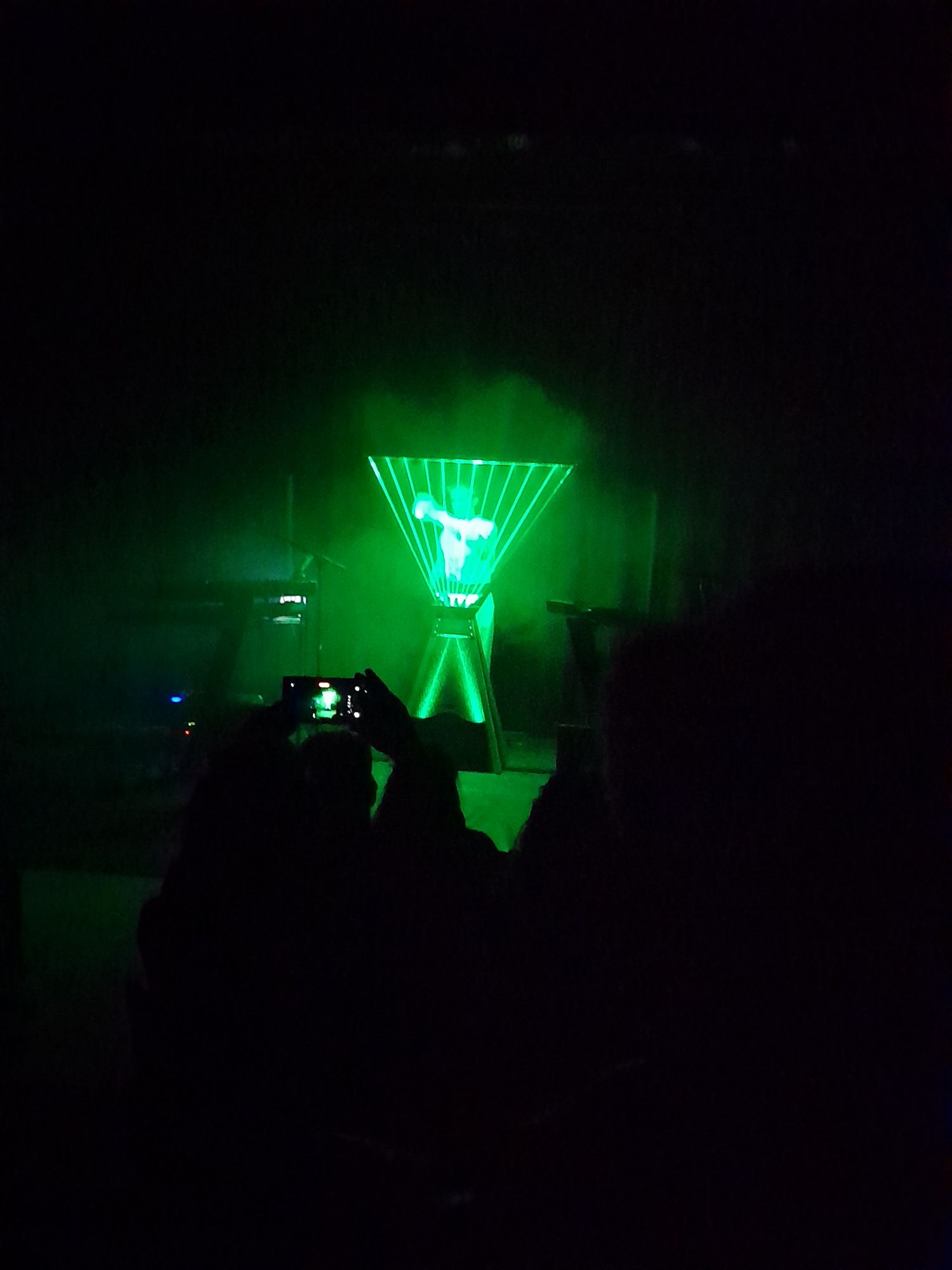
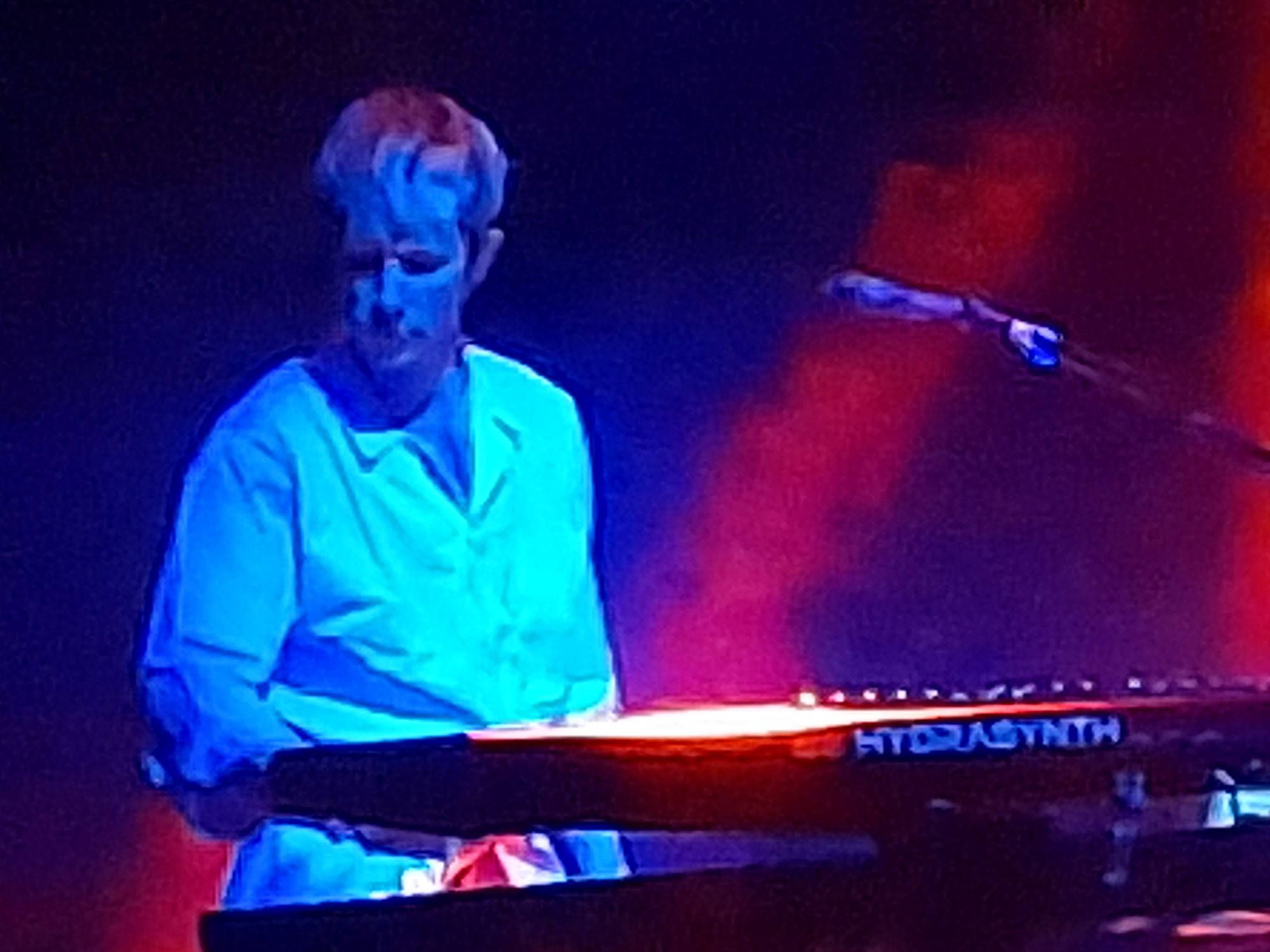
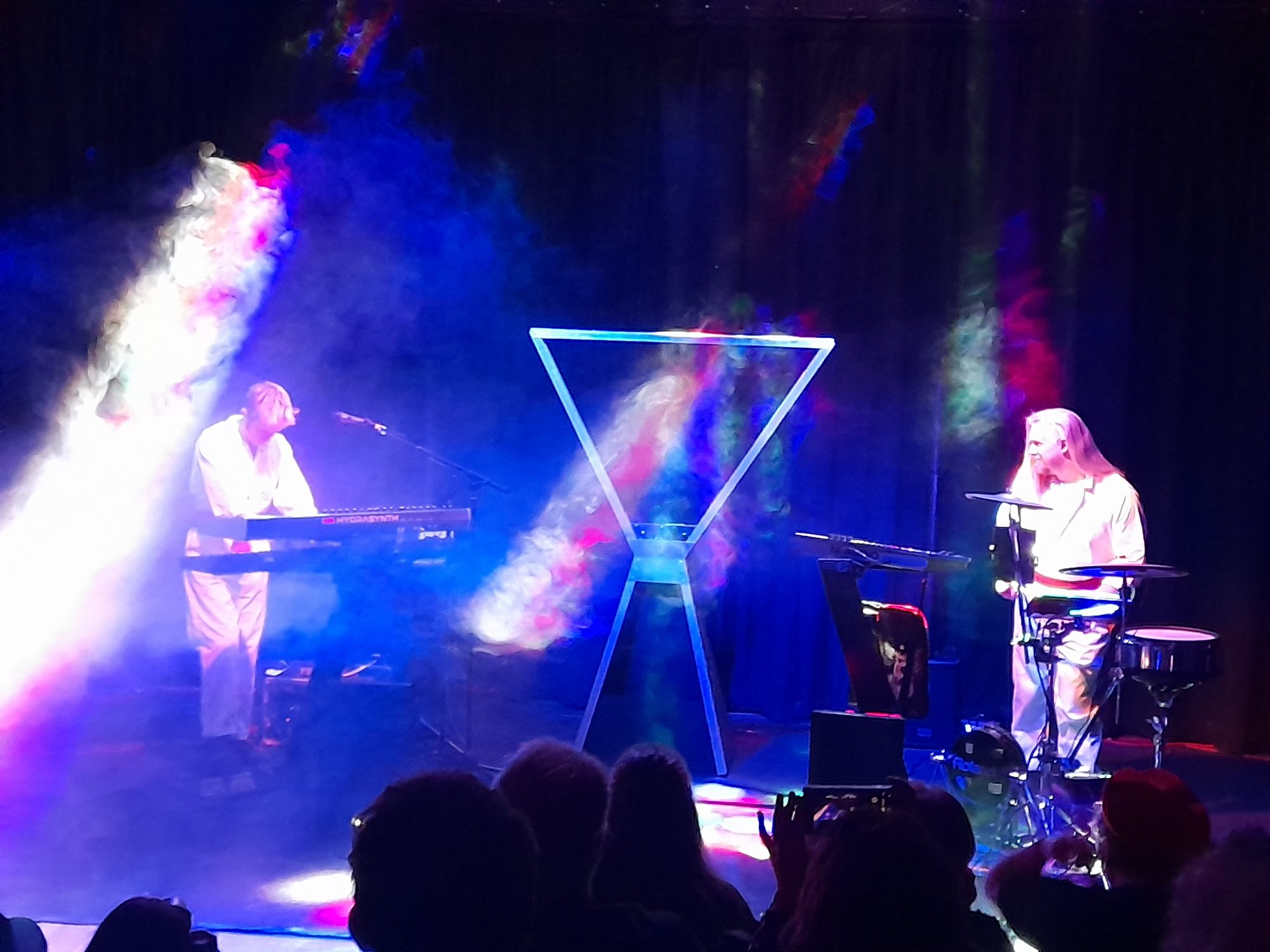
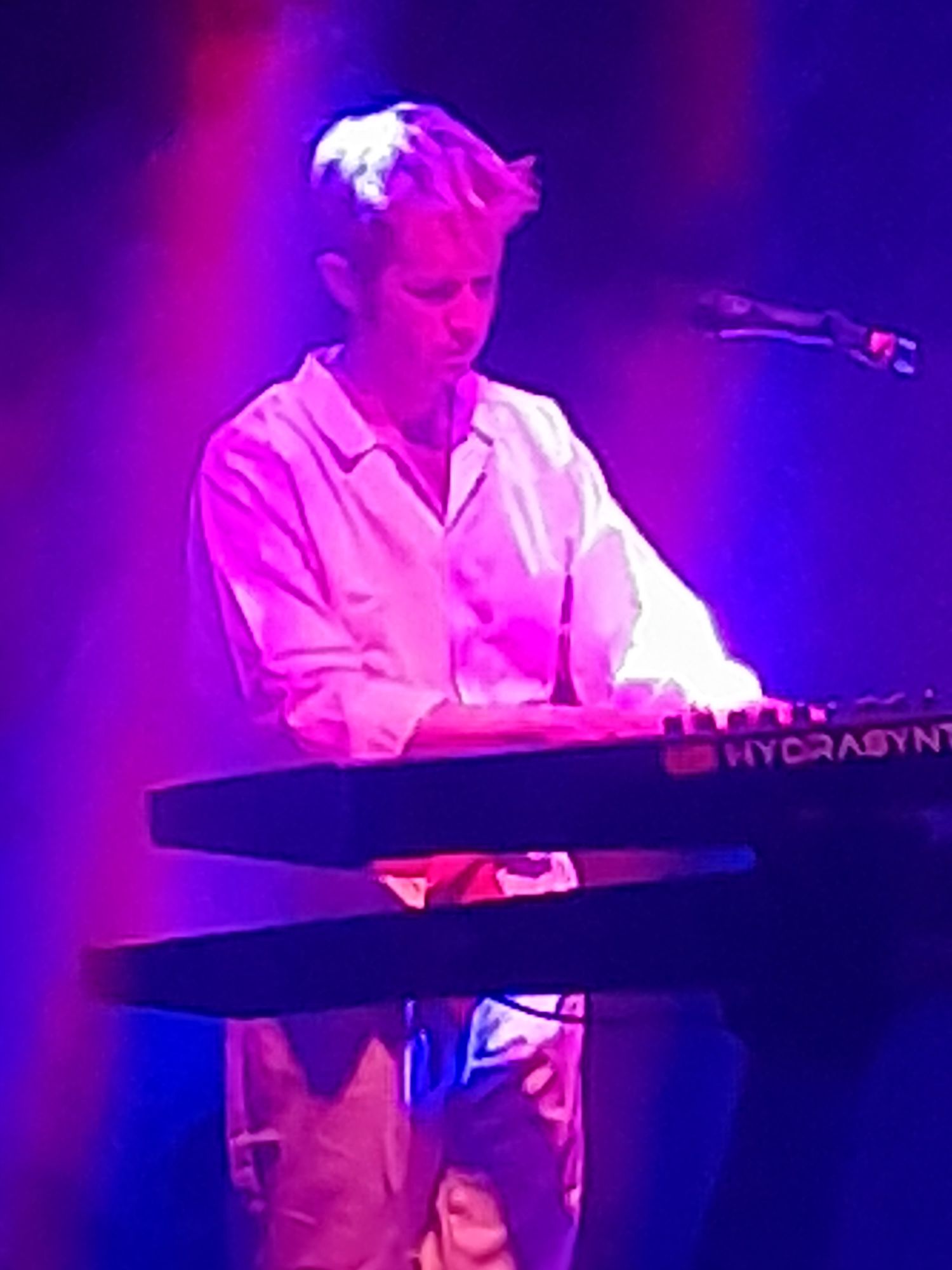
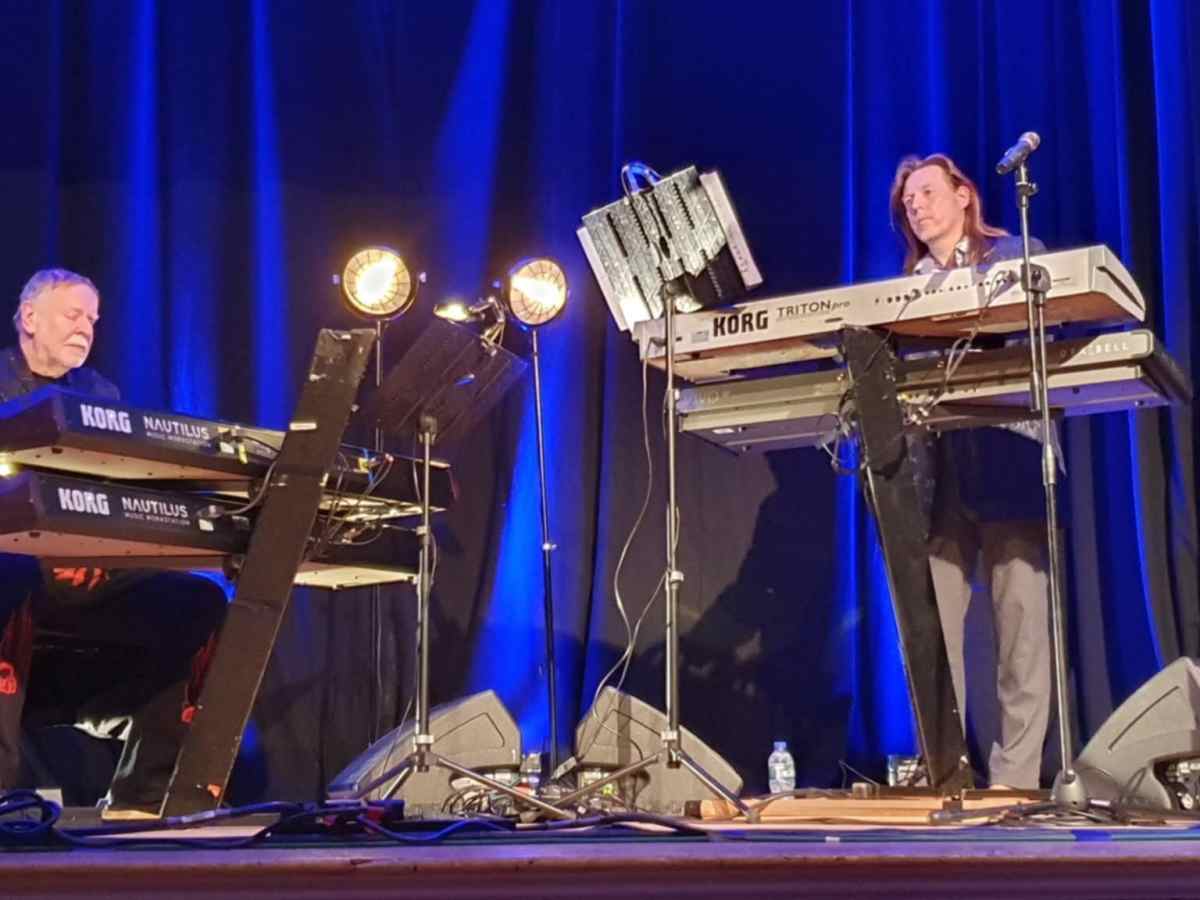
The Rondo ignited with laser lights after the interval, colouring the subtle smoke machine output, and doused with a building ambient drone. Moray appeared onstage with electric percussionist Graham Brown, both dressed in white bodysuits with scarlet tie-belts. Layers developed and the album was played out sublimely, stretched to fit the show. The skill of the pair, to unite in sound and highlight exactly how these tunes were accomplished was insightful, and amazing. The only analogue instrument being a snare, the rest was digital technology caressed to evolve the most refined musical topography, an audio landscape masterpiece.

The grand finale was the usage of the triangular centrepiece, the laser harp Moray created at seventeen but had never used publicaly. Even if many in the crowd were connected in some way to Moray or the team, akin to a family party, everyone was held spellbound when the laser harp strings lit up, and Moray took position behind it.

If the perfect composition of this groundbreaking sound, with the laser show and theatrical performance wasnโ€™t enough to convince anyone in the crowd to the monumental importance to the artist, and the rare and wonderful occasion this was, it was Morayโ€™s expression of sheer joy, at the audienceโ€™s standing ovation. It was confirmation that this project, so immensely well received, is surely the testament, plus an ego boost, to the diffidence of a creative genius!

You might have missed this show, but you can (and should) buy the album HERE.


Trending……

Rooks; New Single From M3G

Chippenham folk singer-songwriter, M3G (because she likes a backward โ€œEโ€) has a new single out tomorrow, Friday 19th December. Put your jingly bell cheesy tunesโ€ฆ

Keep reading

Something went wrong. Please refresh the page and/or try again.

Sparks in the Darkness: Cephid Takes Electronica to New Dimensions

Just when I think every musician within a ten-mile radius is under our radar, another one pops up, and usually, they produce electronic music. So, I say, look, I know Devizes is a blues town, but Devizine covers all arts, and besides, Iโ€™m an old raver; ergo, if youโ€™re creating music, electronic or not, youโ€™re very welcome hereโ€ฆ.

Proving Iโ€™m an old raver, for photographic evidence is nil and memories vague, West Lavingtonโ€™s musician and composer Moray Macdonaldโ€™s alter-ego Cephidโ€™s forthcoming album, Sparks in the Darkness had me pondering a post on a Facebook group for ravers, which I wouldnโ€™t be on if I wasnโ€™t! Someone posted a video highlighting the work of Delia Derbyshire at the BBC Radiophonic Workshop, another commented rightly she was a pioneer of electronic music, a second added โ€œerm? Kraftwerk?โ€ causing me to rant; it doesnโ€™t take much these days!

Yeah, Iโ€™ll give you, Kraftwerk were the primary electronically generated pop group, but Derbyshireโ€™s magnum opus, the Doctor Who theme, an electronic rework of a Ron Grainer composition, predates Kraftwerkโ€™s first commercially successful album Autobahn by eleven years.

This raises a fascinating point; at electronic musicโ€™s clunky inception few sought it viable for commercial pop. Fatboy Slim pointed out, Youโ€™ve Come a Long Way, Baby. The BBC Radiophonic Workshop created sound effects ideally for sci-fi series. Lesser-known German electronic pioneers Tangerine Dream only became familiar to the masses during the eighties for their numerous Hollywood film scores. Organisation zur Verwirklichung gemeinsamer Musikkonzepte, Kraftwerkโ€™s quirky and pre-synthesizer antecedent, was the crรจme-de-crรจme of kosmische Musik, Dusseldorfโ€™s experimental scene of the sixties, but while it took psychedelia and space-rock to another planet, Melody Maker mocked it โ€œkrautrock,โ€ a name which stuck as its genre.

Seems rockโ€™s phobia of electronic progression was the reason for Britpopโ€™s retrospection to acoustic instruments once rave came of age. The chalk and cheese mingle side by side in todayโ€™s pop; David Grayโ€™s self-dubbed style, folktronica hammered that last nail in.

The relevance of all this is, while immersed in Cephidโ€™s gorgeous complex structures and intense electronic textures, one cannot help but contemplate the combined efforts involved in contributing to this development, as it harks itโ€™s influences and indulges those passed, no matter by Sparks in the Darkness comparisons all would sound timeworn. From the impact the Doctor Who theme mustโ€™ve had on the English television-watching nation, to The Art of Noise and Yello, and from avant-garde American electro outfit Newcleus, to Universeโ€™s Tribal Gathering 1997, when I observed every raver ascend from their chosen subgenre tent to pay respects to Kraftwerk. Cephid encompasses these, yet is ultra-modern, uses tech as orchestral, and is as fresh as the Buxton spring; like Jean Michel Jarre came after dubstep, as if 808 State created Tubular Bells!

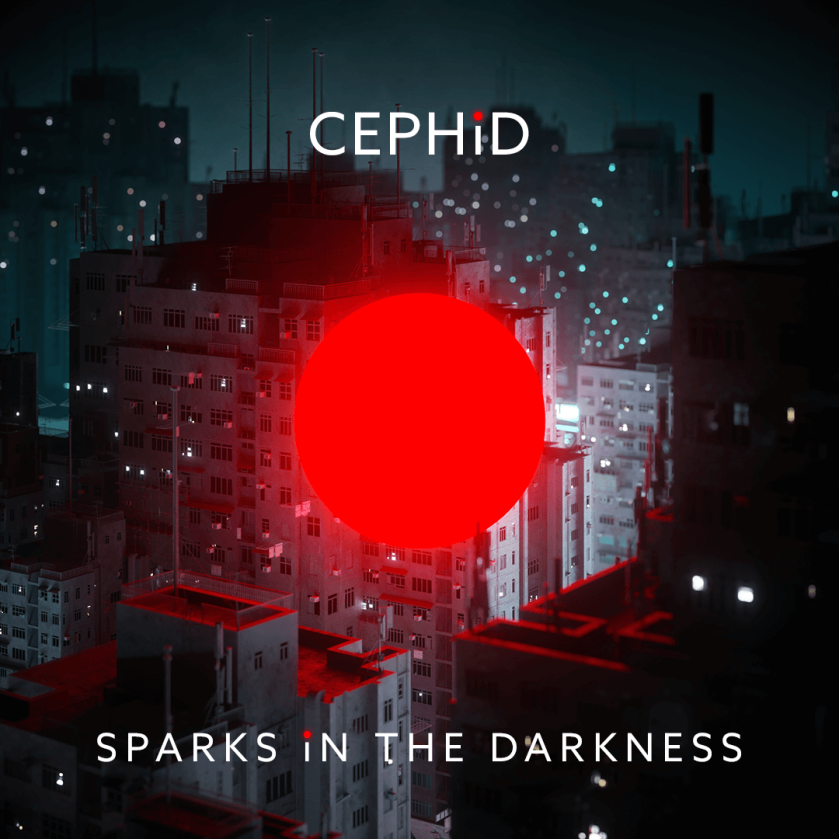
Futurism and sci-fi remains a large part of marketing presentation for electronic dance music, from the eerie android on the cover of Kraftwerkโ€™s We Are the Robots, to Phil Wolstenholmeโ€™s Vergina sun spaceship on the Orbโ€™s 1992 album U.F.Orb, Sparks in the Darkness follows suit with a mysterious red sphere projecting across a cityscape for its cover, strikingly designed by Tiago Marinho.

The album commences akin to ambient houseโ€™s finest, floating or bubbling spooky and mysterious layers of atmospheric swirls, but its orchestral build indicates time has passed since the fluffiness of The KLF and Orb. Moray Macdonald cut his teeth touring with progressive rock and metal artists such as That Joe Payne, Godsticks, Kim Seviour and Ghost Community. This is sharper, unsubdued, his harder-edged rock influences will insure bands like Pink Floyd, Hawkwind and the Ozric Tentacles will be acknowledged here; erm, The Prodigyโ€™s punk fusion post-Jilted Generation too, in part. The opening track To Catch the Eye of the Heaven flows into the next, as a raver I note Leftfield, and Iโ€™m holding out for it kicking in.

Thirty seconds into the second tune, the single Worlds Before, and it does, and when it does itโ€™s immense, a stomp to make New Order blush, with all the workings of modern technology, you are encased in this, what is a culmination of many years of work, and thereโ€™s no going back.

Moray defines it, โ€œsoaring melodic leads cutting through spacious washes of synths, while propelled by layers of sequencers, drums, and percussion. Pulverising techno seamlessly giving way to complex progressive workouts and moody, groove-driven soundscapes, all packed with lasting melodic hooks.โ€ Yeah, Iโ€™ll go with that! It has the concept album quality in which you must indulge in it completely. By Terminus weโ€™re nodding to up-tempo trance-techno, breaking with vocal coach Angel Wolf-Blackโ€™s celestial chants, but behind its entrancing bleeps binds this driving rock drum, either by Emily Dolan Davies, who has drummed for Bryan Ferry, The Darkness and Kim Wilde, or Graham Brown of The Paradox Twin.

Midway the pace lessens and Of Promises trickles into something definably more electronica, of Tangerine Dreamโ€™s sombre movie moments, of Don Johnson contemplating his fate as he leans on his white Ferrari looking out across Miami harbourโ€™s night sky. Moray Macdonald has created music for film, theatre and art installations, and it shows.

Strobe takes off from where Of Promises lands us, like the later track Dead Handโ€™s Decree, itโ€™s The Chemical Brothers on their best behaviour. Moray states, โ€œthe Cephid was created as an opportunity to bring diverse influences together into a single coherent artistic statement.โ€ From his work with artists across the modern progressive scene, to his early love of experimental electronic music, many musical facets are represented, but still it flows in one radical and unique package impossible to pigeonhole.

Thereโ€™s no surplus of talent left out of this project, Placeboโ€™s Shelby Logan Warne, and Jerry Kandiah producer of Killing Joke and The Futureheads have mixed and mastered this, and while its not commercialised, just like Delia Derbyshireโ€™s work in the sixties, itโ€™s too groundbreaking to be ignored.

As The Old Me, plays out, even its name prompts me to imagining myself hearing this in a field somewhere in 1991, amidst matted trilby wearing juniors, eyes the size of saucers and dribbling on a Wrigleyโ€™s, it is so innovative, so radical, Iโ€™d probably have had a seizure!

โ€œWhatโ€™s wrong with him!โ€ one raver asks another as I lie comatose.

โ€œHeโ€™s had a premonition of the future of electronic music and his fragile mind cannot handle it; somebody get him a Technotronic album, pronto!!!โ€


The single Worlds Before is out now. Sparks in the Darkness will be released 9th February 2024. Find out more about the project HERE.

Social Media
https://www.facebook.com/cephid.world/
https://www.instagram.com/cephid.world
https://twitter.com/cephidworld
https://mastodonmusic.social/@cephid
https://www.youtube.com/@CephidWorld


Trending…..

Butane Skies Not Releasing a Christmas Song!

No, I didnโ€™t imagine for a second they would, but upcoming Take the Stage winners, alt-rock emo four-piece, Butane Skies have released their second song,โ€ฆ

One Of Us; New Single From Lady Nade

Featured Image by Giulia Spadafora Ooo, a handclap uncomplicated chorus is the hook in Lady Ladeโ€™s latest offering of soulful pop. Itโ€™s timelessly cool andโ€ฆ

Large Unlicensed Music Event Alert!

On the first day of advent, a time of peace and joy to the world et al, Devizes Police report on a โ€œlarge unlicenced musicโ€ฆ

Winter Festival/Christmas/Whatever!

This is why I love you, my readers, see?! At the beginning of the week I put out an article highlighting DOCAโ€™s Winter Festival, andโ€ฆ

Devizes Winter Festival This Friday and More!

Whoโ€™s ready for walking in the winter wonderland?! Devizes sets to magically transform into a winter wonderland this Friday when The Winter Festival and Lanternโ€ฆ