Daphne Oram; Devizesโ€™ Unsung Pioneer of Electronic Sound Part 3

Oramics and its Place in the Progression of Electronic Music

In 1997 I was a 24 year-old factory worker, keen to learn all tasks on the production line to work my way up, but suddenly the run of the ladder was pulled too high for me to reach. Shift managers who had were axed, were replaced by โ€œteam leaders,โ€ that of precisely the same duties and responsibilities, though you needed a diploma to apply.

The government tried to thwart my only other life objective three years past, to party; they had failed. I worked in the factory now for one reason, to fund this escapism. Once free, the Criminal Justice Bill ensured someone profited from our jollity, as rave culture was pushed into nightclubs and legal paid events.

If The Prodigy were right, this was music for the jilted generation, perhaps so too  was Luigi Russolo in his 1913 futurist manifesto L’arte dei Rumori (The Art of Noises,)  when he argued that the ear would become accustomed to a new sonic palette of industrial soundscapes, and musicians would require a new approach to instrumentation and composition. Though Iโ€™d not have contemplated the noises of the factory manipulating my music perceptions at the time, I was aware of how Kraftwerk were influenced by the sounds of traffic for Autobahn.

Neither would I have given much thought to the development of electronic music; my time with analogue pop of punk and Two-Tone was short-lived. Through new wave post-punk and electronica to American hip hop and electro, and the rebellion from the hit factories exploiting it; rave culture, I had grown up with  electronics as a staple to music and knew no different.

Pre-internet research on the subject wouldโ€™ve been a needle in a haystack, even if Iโ€™d the motivation to study it.  In my naivety I assumed one thing, that Kraftwerk created  electronic music, because Iโ€™d seen a clip of them on the BBC program Tomorrow’s World. Though the show made no claim to this, I was only two on the 25th September 1975, when it originally aired.

Ralf Hรผtter and Florian Schneiderโ€™s Kraftwerk were certainly pioneers who popularised the krautrock genre worldwide. The industrial links between  Dusseldorf and Detroit and creative ones between Berlin and New York  were influences reflected, which turned the cogs of hip hop and house. And now, here I was, in a meadow near Luton, at Universeโ€™s Tribal Gathering, where I figured weโ€™d come full circle.

Kraftwerk played their one and only festival, it was monumental. The once monocultured rave phenomenon had divided into copious subgenres, Universe were the first to fully embrace this with a tent dedicated to each division. Yet from each tent masses united at the main stage, some DJs refusing to play their set because theyโ€™d miss this performance. Reflecting back on it now, I cannot deny it was something to behold, but Iโ€™ve since discovered they wasnโ€™t the complete roots to electronic music I assumed they were. Its complex international evolution includes too many names to mention, but this fascinating insight has been encouraged by my study into one important innovator largely uncredited, born here in Devizes, Daphne Oram.

We outlined her work briefly in the introduction to this series of articles, and with help from Daphneโ€™s niece, Carolyn Scales, we delved into her upbringing in Devizes, and how influences in engineering meshed with her love of music. Now we need to fit her role into this vast evolution of electronic music, by looking at Oramics, discovering how that influenced the progression, and why it is not as well documented and I believe it should be.  

Once Daphne left the BBC Radiophonic Workshop in 1959, she coined the term Oramics, a name for her studio in Tower Folly, a converted oast house at Fairseat in Kent, her technique for creating graphical sound, and the Oramics Machine which spawned from it.  
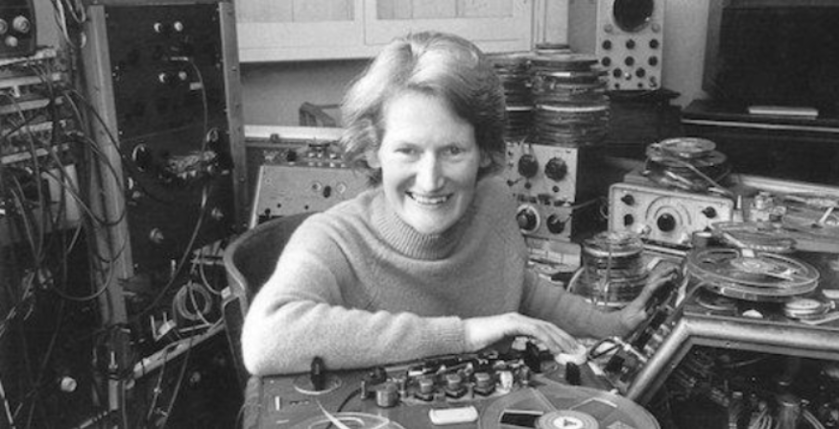
Carolyn described The Oramics Machine as, โ€œan early synthesiser,โ€ but as with Russian engineer Evgeny Murzin who created photoelectronic instrument the ANS synthesizer, historical records rarely reference them.  The first commercial synthesizer is credited to American engineer Robert Moog a few years later in 1964. Precursors to Moog  mentions Harald Bode who laid the groundwork for separate sound-modifying modules used in the Moog design, the Hammond Organ Companyโ€™s Novachord in the late 1930s, Canadian engineer Hugh Le Caineโ€™s Electronic Sackbut, Herbert Belar and Harry Olsonโ€™s RCA Mark I and II Sound Synthesizers, and some cite Thaddeus Cahillโ€™s Telharmonium, an electromechanical sound generator from 1897, which weighed in over two-hundred tons.

The original Oramics Machine was the size of an office photocopier, so was also too cumbersome for the average musician. By its definition, itโ€™s a synthesiser but worked differently; the composer/musician drew onto a set of 35mm film strips which ran past a series of photo-electric cells, generating electrical signals to control amplitude, timbre, frequency and duration.

The reason for the omission, Carolyn suggested, was because The Oramics Machine was lost after her passing. โ€œDr Mick Griersonโ€™s team tracked it down to France in 2008. Working with the Science Museum. Griersonโ€™s study provided the first full contextualisation of the machine, an assessment of its historical importance, and a detailed description of its workings. The machine became a central part of the Science Museum exhibition Oramics to Electronica, originally planned to run for six months in 2011. The showโ€™s press and public uptake saw it extended a further four years.โ€

Perhaps inspired by Moogโ€™s development of the Minimoog, Daphne worked on a Mini-Oramics, but never completed a prototype. Goldsmiths’ PhD student Tom Richards, who pored over the unfinished project and built it over forty years later, suggested โ€œthere were a lot of reasons why she didnโ€™t launch Mini-Oramics. She was working on her own, and wasnโ€™t affiliated to a large organisation or university.ย  She had ups and downs in her life, and at the time she was working on Mini-Oramics, she also worried that her approach to musical research was out of fashion when compared to chance-based and computerised techniques. She was unable to secure the further funding she needed and she eventually moved on to other research.โ€

If funding and the ferocity of music technologyโ€™s progression at this time surpassed Daphne, both her music and written works were visionary. If you thought Pete Tongโ€™s Heritage Orchestra was pushing new boundaries in 2004, Carolyn noted, โ€œin 1948, Daphne created a piece for double orchestra, turntable and live electronics called Still Point, long thought of as the earliest composition to include real-time electronic transformation of instrumental sounds.โ€ Again, Still Point was never performed and was considered lost. โ€œDr James Bulley found fragments in the Oram archive,โ€ she continued, โ€œand working collaboratively with Dr Shiva Feshareki, began a reconstruction, later finding the full score in the belongings of composer Hugh Davies.โ€

โ€œA performance was commissioned by BBC Proms and performed by turntablist Shiva Feshareki, Bulley, and the London Contemporary Orchestra in 2018 at the Royal Albert Hall, reaching a substantial audience live and via BBC Radio 3,โ€ Carolyn explained. โ€œThe reaction was one of awe, with the piece described as โ€œthrillingโ€. Critical responses suggested that this realisation of Oramโ€™s previously untested ideas represented a challenge to electronic musicโ€™s received history.โ€

The more I research the more I find examples suggesting Daphneโ€™s work was so avant-garde, abstract or insistent on anthropological creativity against trending dehumanised mathematical methods, she was set apart from the contemporary canon of self-generating computer music, positioning her work in a kind of unique scientific-spiritual space, combining technical rigor with a romantic model of artistic expression. This would frustrate her, when projects were either underfunded or too radical for others to follow, and they were consequently lost in time.

In 1971 she authored a book titled An Individual Note of Music, Sound and Electronics, wherein lies a quote often cited in discussions about music technology: โ€œWe will be entering a strange world where composers will be mingling with capacitors, computers will be controlling crotchets and, maybe, memory, music and magnetism will lead us towards metaphysics.โ€

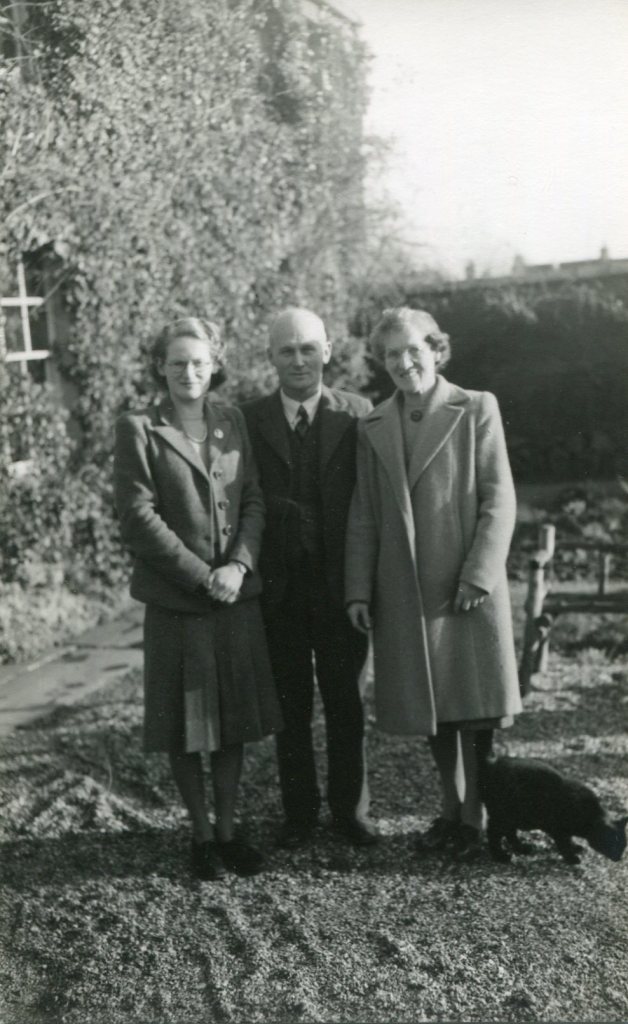
Daphne visiting her parents in Devizes

It was also her dedication to  authorial control, while cybernetic-influenced composers embraced self-generating systems with indeterminacy, which caused Oram’s approach to differ from the era’s prevailing trends, despite this cybernetic orientation. Exemplifying the generosity of her father, James, Mayor of Devizes, Daphne actively supported composersโ€™ rights to royalties while she was a Trustee of The Performing Rights Society in the 1970s.

Daphne Oram suffered two strokes during the nineties, and passed away in Maidstone on the 5th January 2003. Yet on Daphneโ€™s centenary, where much of the world remains dubious about the ethics of artificial intelligence, we must debate her legacy, for my final part of the series.

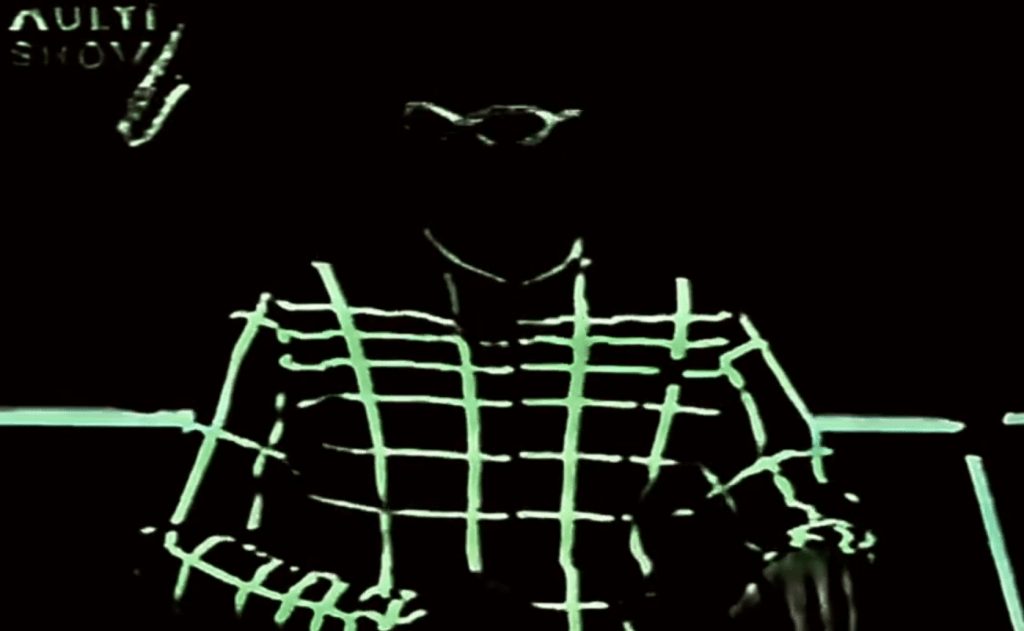
Oh, and if you were wondering, all I saw of Kraftwerk at Tribal Gathering was the fluorescent outlines of their boilersuits!
Daphne Oram; Devizesโ€™ Unsung Pioneer of Electronic Sound: Part 2


Daphneโ€™s Family & Childhood Connection to Devizes

Celebrations of Daphne Oram have been building in London since the beginning of December, for those in the sphere of electronic music and music technology. On the first Thursday of the month The Barbican held a concert commemorating Daphne’s centenary, where sound and music fair access partner, Nonclassical, in partnership with The Oram Trust and Oram Awards played commissioned reimagined works from various contemporary electronic artists, inspired from tapes in Daphne’s archive. This has been released as the album, Vari/ations: An Ode To Oram.

London university Goldsmiths acquired Daphneโ€™s archive in 2006, bringing her work into the wider public domain, after decades of relative obscurity.  In the male dominated realm of electronic music, this has presented a better understanding of Daphne as a visionary in the early development of the genre, and in turn inspired female musicians and producers.

But our story begins rather differently, in the late nineteen-twenties, at Belle Vue House, Devizes, where a much younger Daphne is caught trying to climb inside the family piano! Daphne’s niece Carolyn Scales explained, โ€œshe was asked โ€˜why are you doing that?โ€™ and Daphne replied, she wanted the piano to make a sound between the notes on the keyboard.โ€

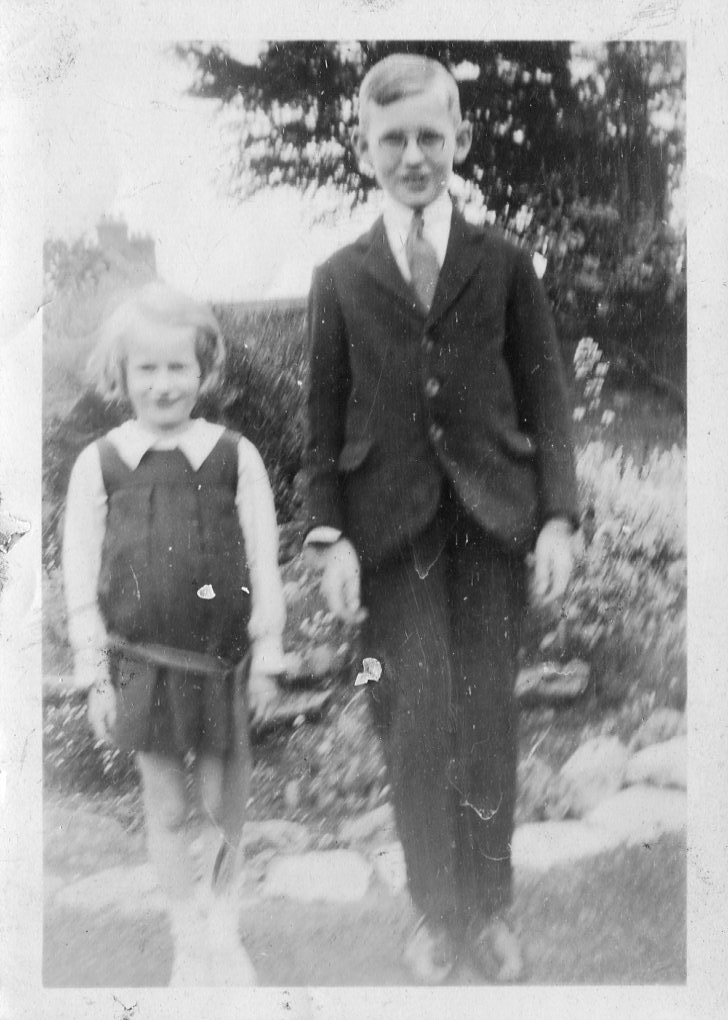
Daphne with brother John

Iโ€™m grateful to Carolyn for providing some fascinating background into Daphneโ€™s family and childhood in Devizes, something overlooked by the insurmountable information available regarding her work.

โ€œAll the siblings enjoyed listening to classical music but only Daphne had the ability to create music,โ€ she told me. โ€œIdaโ€™s sisters often joined her to play trios and quartets at Belle Vue House while James did learn to play the cello but was happy to stand aside for more competent players. In his defence Jamesโ€™s fatherโ€™s diaries only mention one musical instrument at their home, a piano declared by a piano tuner as not worthy of tuning. Maybe we underestimate the strength of our Oram artistic genes.โ€

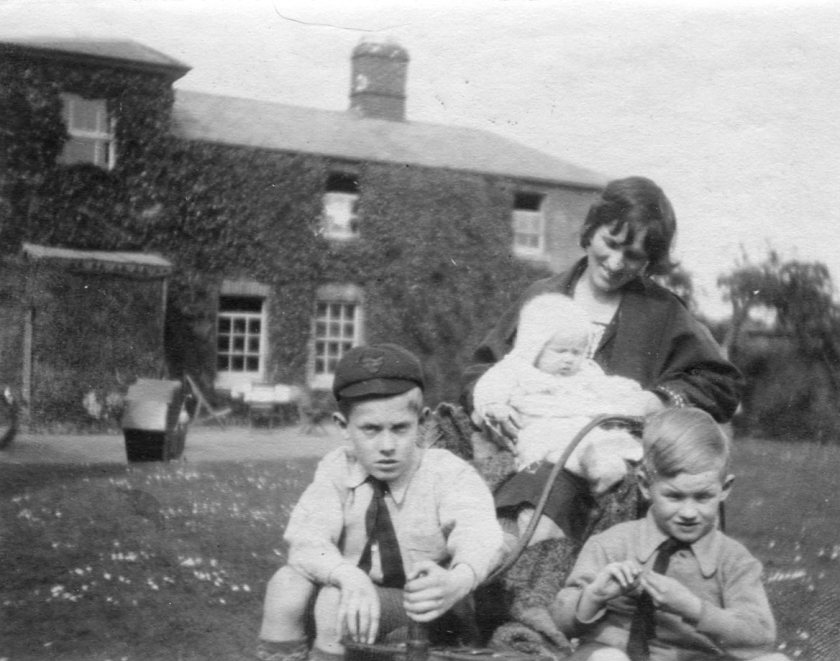
Daphne at five months, with mother, Ida, brothers Arthur and John

Daphne Blake Oram was born on the 31st December 1925, to James Oram (1890-1964) and Ida nee Talbot (1887-1972.) โ€œIda ,โ€ Carolyn explained, โ€œwho at heart seems to have been a natural party goer, was plagued by ill health. Daphne was born in Ivy House Nursing Home not because of a fear of losing Daphne but because of Idaโ€™s problems with her legs. In the first photograph of Daphne she is being held by Ida who is sitting in a wicker bath chair with Arthur and John in front of their new home of Belle Vue House.โ€

โ€œIda was born in Braintree, Essex into a family of drapers,โ€  Carolyn said, โ€œwho soon moved to a shop on Maryport Street, Devizes, opposite the top of The Brittox, which they ran from 1888 until 1914. Unfortunately Idaโ€™s father Alfred died in 1896 leaving her mother Alice nee Blake to run the business.โ€ She continued to describe  Aliceโ€™s six children helping at the shop, and its failure, though  Ida was in charge of the millinery department, and how later there was a room in Belle Vue House devoted to her hats. Carolyn told of Idaโ€™s painting  hobby, in watercolours, oils and other mediums.

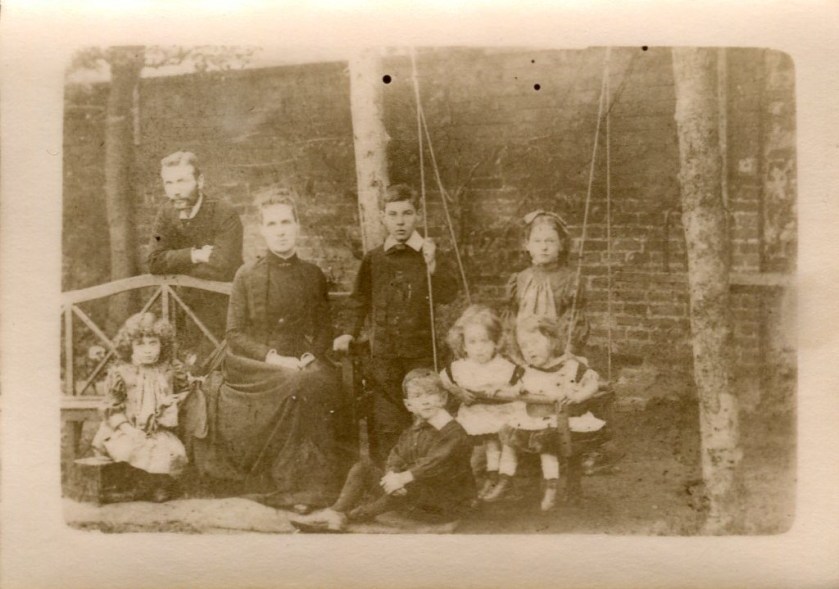
Talbot family with parents. Ida on swing with her twin

Daphneโ€™s father, James, was known in Devizes as โ€œJimโ€ or โ€œJimmy.โ€ He was not Irish but proud of his upbringing off the coast of County Mayo, and โ€œnever lost his soft Irish brogue.โ€ His father Arthur Oram was a farmer and land agent in one of the most deprived parts of rural Ireland, hit hard by the famines of the early 1800s, and as such it was a natural breeding ground for agrarian discontent, later producing some prominent members of the IRA. This caused James to be keenly aware of local injustices.

โ€œIn 1961, when James took us to see where he was born,โ€ Carolyn expressed, โ€œhe told us he was upset that he was not allowed to go to school with his friends. They were Catholic and he was a Protestant and to highlight the differences James and his siblings had to travel to school in Newport by pony and trap, rather than walk to the local school.โ€

โ€œI feel sure that our father John was correct in saying that if James had stayed in Ireland he would have become a renowned barrister. Unfortunately, just as James left school there was a change in the familyโ€™s fortunes as The Congested Districts Board on behalf of the British Government were, quite rightly buying estates and redistributing the land among farmers living on tenanted, uneconomic smallholdings.โ€

Therefore, instead of attending university at sixteen James travelled to Devizes, to help his uncle (by marriage,) Alfred Hinxman, the manager of the Devizes branch of a Salisbury coal merchant.  James lived in Devizes for the rest his life, managing the coal merchant until his retirement. Overseeing the distribution of coal in the southwest during the Second World War, James was so horrified by the profiteering he didnโ€™t take a penny for his efforts and received a MBE.

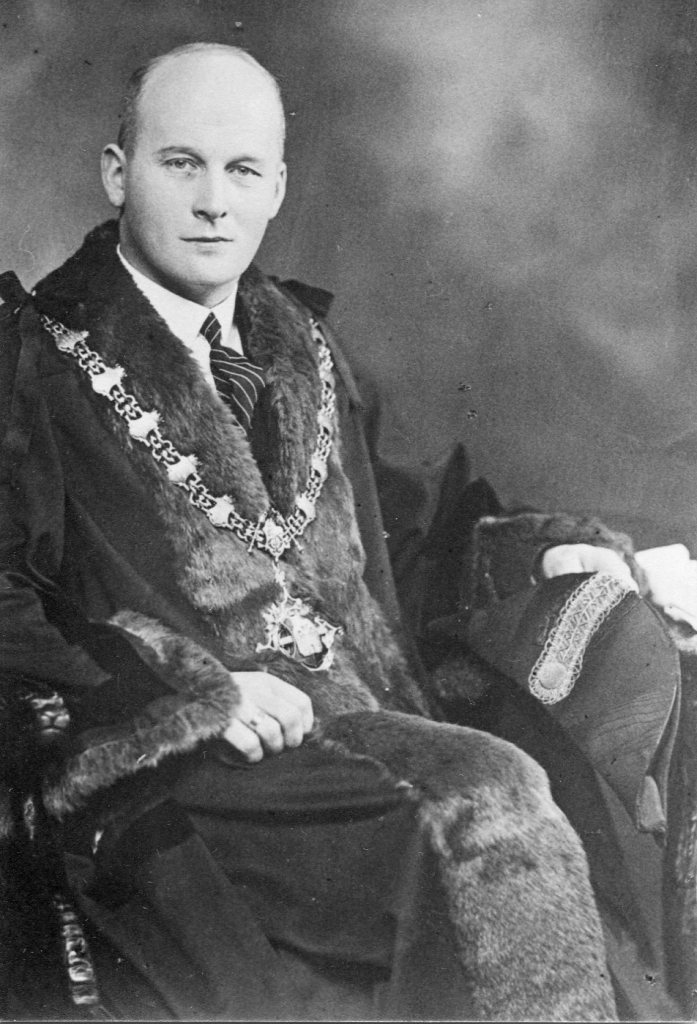
James Oram, Devizes Mayor

โ€œJames soon became a trusted member of the community,โ€ Carolyn said, โ€œactive in its civic life, as a magistrate and a school governor. This included being Mayor of Devizes during The Abdication and coronation of George VI.โ€

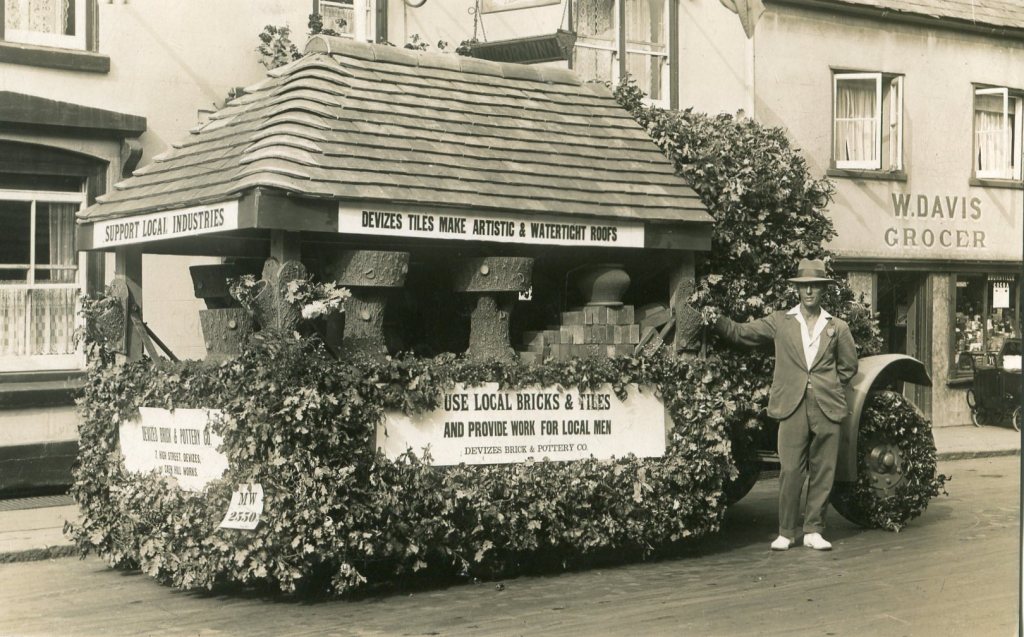
โ€œJames also successfully became involved in many businesses including The Devizes Brick and Tile Co. Somehow James also found time for his interest in local history and was a member of various local societies. He could have become wealthy but instead gave away his excess income after ensuring that his family lived in a comfortable style. Every Sunday dinner during the depression of the 1930s they would discuss the families that the brickworks supported, carefully working out if they would have the money to feed their children. The discussion would end by choosing someone who was struggling to hire to cut the Belle Vue House lawn during the following week.โ€

The Devizes Brick and Tile Co. Photograph by HR Edmonds

Jamesโ€™ generous nature rubbed off on his children.  Daphne actively supported composersโ€™ rights to royalties while she was a Trustee of The Performing Rights Society in the 1970s.  โ€œIn particular,โ€ Carolyn noted, โ€œDaphne helped to set up the PRS Membersโ€™ Fund that continues to support those registered with the PRS and their families when they are in need of financial help. During the 1980s Daphne arranged Christmas hampers for these families.โ€

Before Daphne was born the family lived in rooms above the coal merchantโ€™s office at 7 High Street, Devizes. James wanted Belle Vue House, empty at the time but out of his price range, until the  state of dilapidation dropped far enough, which was just as Daphne was being born. The house would have been at the end of Belle Vue Road, now replaced by Waiblingen Way housing estate. 

Retired designer Paul Bryant, who still resides locally told me he grew up close to Belle Vue House, and recalled her returning to the family home and, โ€œthe excitement that was generated when she was awarded grants from the Gulbenkian Foundation.โ€ Paul expressed โ€œit is heartening to see the ancient horse chestnut tree, then at the end of the Oram’s garden, still surviving in Waiblingen Way.โ€ Meanwhile, local musician Peter Easton has written in request for a blue plaque to be erected in Daphneโ€™s honour.

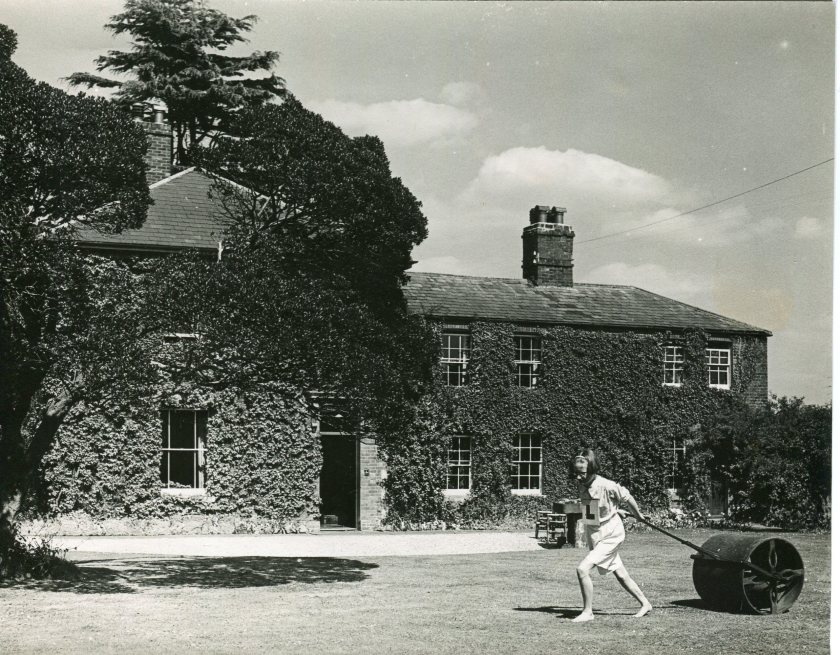
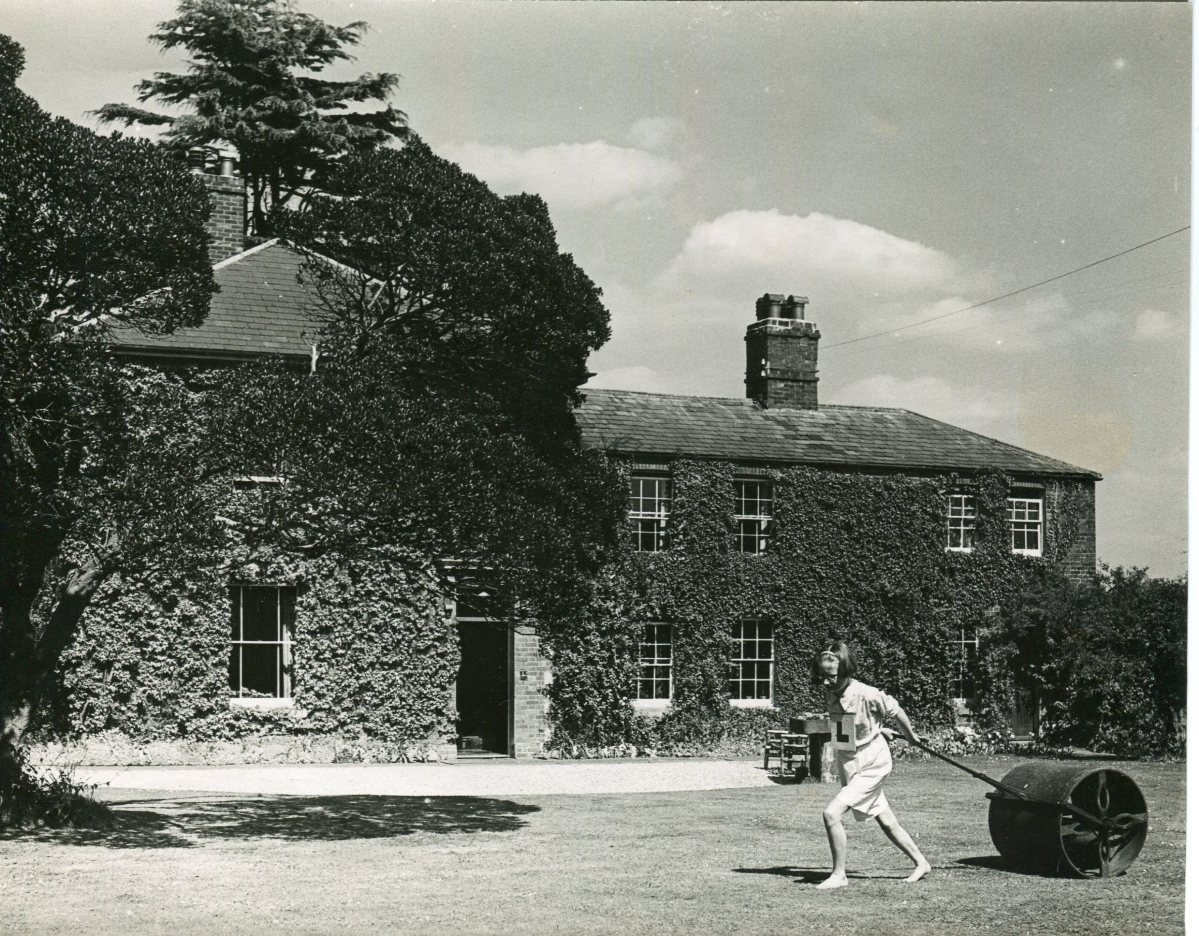
Daphne, with the grass roller at Belle Vue House, Devizes

Carolyn explained how the siblingโ€™s engineering abilities can also be traced to the Oram side of the family. โ€œTheir great uncle John had designed machinery to make barrels for Rockefellerโ€™s oil, and their uncle Arthur oversaw many civil engineering projects in the Indus Valley, now in Pakistan.โ€

โ€œArthur, aged 9 and John, aged 5 were to share a bedroom with an adjoining dressing room that James agreed they would turn into a workshop,โ€ Carolyn said. โ€œThey had already started their own tool kits and Arthur was delighted when James added a foot controlled fret saw.โ€

In a letter to John dated April 2003, Arthur wrote it would be the 77th anniversary of their move from the High Street to Belle Vue House: โ€œEvery 20th April was the day of an annual fair on the Green, and Hitlerโ€™s birthday. That one in 1926 was a very special wet Tuesday for us. Our mother was taken the half-mile in a big closed Bath Chair drawn by a man holding the long handle in front, because of her illness with a bad knee. She was helped into their old oak bed in the drawing room, on the right of the door towards the fireplace. In that room there was placed, near the door, the old radio that our mother had bought some years before from proceeds of her Barbola work, with its two bright emitter valves and six volt battery, from which we had news through the general strike of 1926.โ€

โ€œLater the workshop became home to Johnโ€™s lathe and of great interest to Daphne. John told me that he was sometimes very mean to Daphne when she came to the workshop. At first she had to stay outside the open door and be silent, if she passed that test she was allowed to stand just inside the door for a while before coming closer to John and even helping when possible. John taught Daphne to use a lathe and she had one of his old lathes at Tower Folly, albeit by then worn and no longer a precision tool. John also admitted to teasing Daphne over his Meccano set that she wanted to play with. Daphne had to watch John make, say a crane ,then he would tighten all the nuts and bolts before walking away leaving Daphne to dismantle his work.โ€

Daphne visits her parents in Devizes

Carolyn said, โ€œthere were three main early influences on Arthur, John and Daphne namely their father James, mother Ida and their home which gave them space to both work together and follow their own particular interests.โ€

Iโ€™m eternally grateful to Carolyn Scales, Daphne’s niece, for a fascinating insight into Daphneโ€™s early years and family life, and for the photographs too. It seems her curious childhood nature was focused on what makes music, and her engineering skills were honed early, enhanced by her intrigue and not being allowed to assist by her elder brothers. This led her to create  the Oramics Machine, her early synthesiser, built in the 1960s, but lost after her death. We should concentrate our efforts on Daphneโ€™s work  in the third part, and how it shaped modern music……

All images are taken with permission from the personal collection of Carolyn Scales with thanks. ยฉ2025 Carolyn Scales. Please ask permission before use.