Devizes Scooter Rally 2023

Have rally will travel; seemingly the scooterist’s motto, chatting to various friendly clubs nationwide, and individuals too, such as a dapper lone mod who rode up from Bridport on a three hour trek, while loitering with a pint of Thatchers in a field at Lower Farm on the Whistley Road. Overall, it’s more than fair to say, thanks to Devizes Scooter Club’s valiant and sedulous toil, Devizes is firmly on the map of must-do scooter rallies…. 

It would, without this blossoming national appeal have been a massively lesser affair; scooter culture being niche and though a blanket term retrospectively  incorporating mod, skinhead and punk subcultures, isn’t, perhaps, appealing to enough locally to have successfully created something on this grand scale. Those local aficionados, or even with a passing interest in the scene therefore are truly treated, as Devizes Scooter Rally this weekend was spectacular.
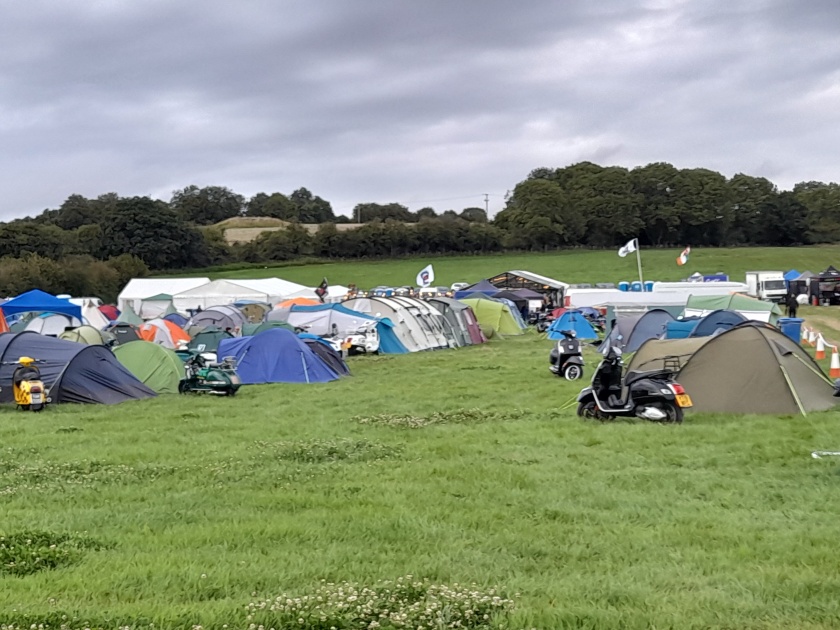
There’s various reasons for saying this; a hospitable atmosphere throughout the event from attendees and organisers, a controlled and diligent attitude to structure, the underlying notion you’re not going to get ripped off at the bar or elsewhere, a donation to The Devizes & District Opportunity Centre, a worthy charity indeed, a calculatedly perfect site design from bar, venue to campsite, a wide variety of side stalls, and an apt music programme of talented bands and DJs, but mostly, it was the combination of them all which made it as fantastic as it was.

41 Fords

I spent the finale late night moments with some of the club’s valid members, as they reviewed an overall of the weekend, discussing rights against possible improvements. And with expandable site potential, just how far the annual rally could blossom before it becomes less congenial. As such they’ve set the date for 2024, 26th-28th July; if you missed this weekend put it in your diary, if you went I’d imagine you already have!
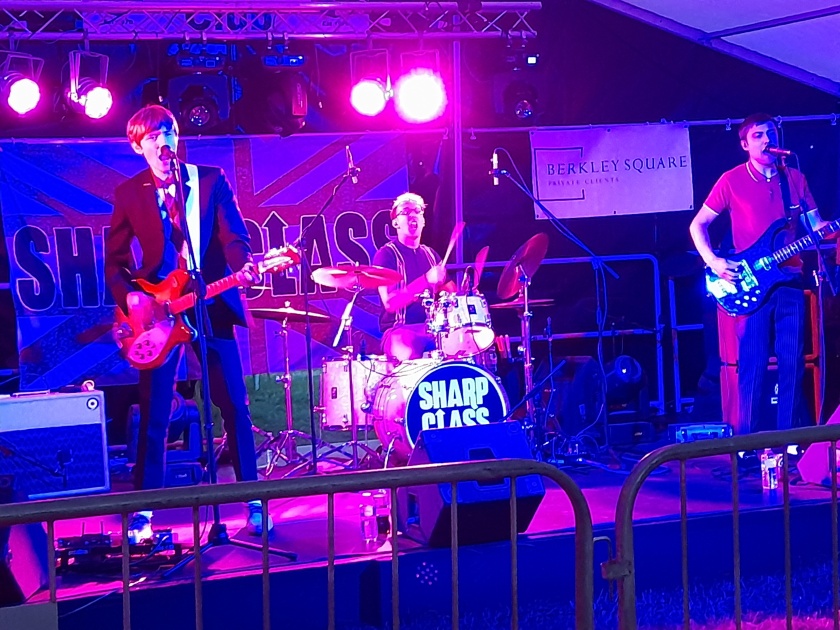
Sharp Class

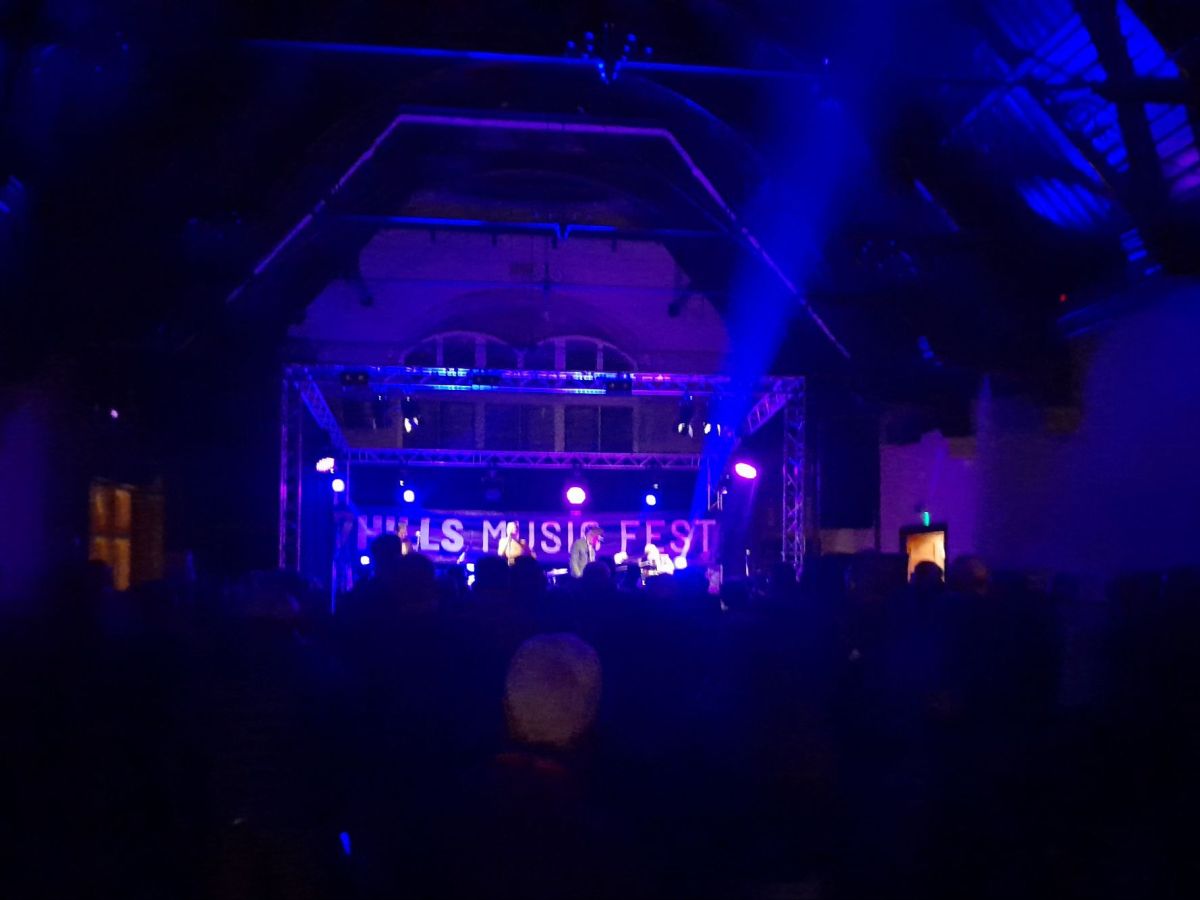
So, I rocked up to wet my whistle on Friday, eager to catch up with those Trowbridge rockabilly stalwarts, 41 Fords, and witness Brighton’s revitalised mod marvels Sharp Class. Being there was another day to come, and I wanted to see you there Saturday, I knocked up a quick review of it: HERE. Saturday though, I’m on Shanks’s pony and up for a party; which was delivered to me uncompromisingly.

Apologies, too late to catch The Butterfly Collective, but my arrival coincided with the Roughcut Rebels’ set. Haven’t seen them since Mark moved to pastures new, but Jimmy Moore makes for a great frontman stand-in for Finley, and it was business as usual for this locally renowned Britpop mod band who plucked covers, like Wonderwall, otherwise cliché if not delivered by such an enthralling group from their extensive repertoire. 
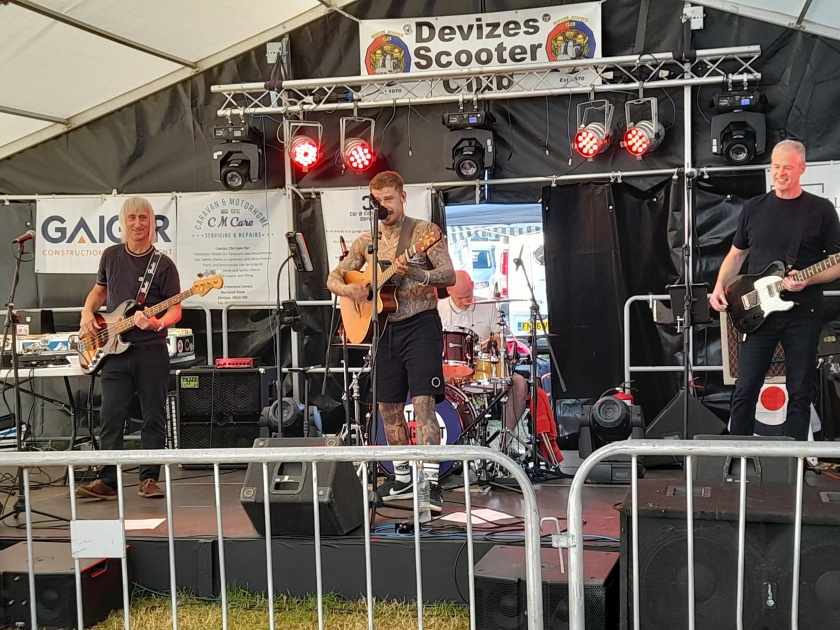
Roughcut Rebels, with added Jimmy Moore!

Next up a rare treat, Cath and Gouldy concentrating rather on wider variated Day Breakers outfit, and folk duo Sound Affects, but to have them back under The Killertones guise both more apt for the occasion and a delightful return to their new-wave-two-tone covers set. It was as whatever guise they operate on, perfected and bewitching, with vast improvements from already proficient young drummer, Katy York.

The Killertones

There was me figuring they’d peaked too soon, after ska classics like Pressure Drop, to speed into uptempo two-tone, like The Specials’ Little Bitch and Rancid’s Timebomb, but a sublime set slid nicely into new wave, particularly adroit being The Chords’ Maybe Tomorrow; dammit if Gouldy didn’t go all Morten Harket on us with an offbeat Take on Me, such a rework finale left the crowd spellbound and me realising how much I’d missed these guys!
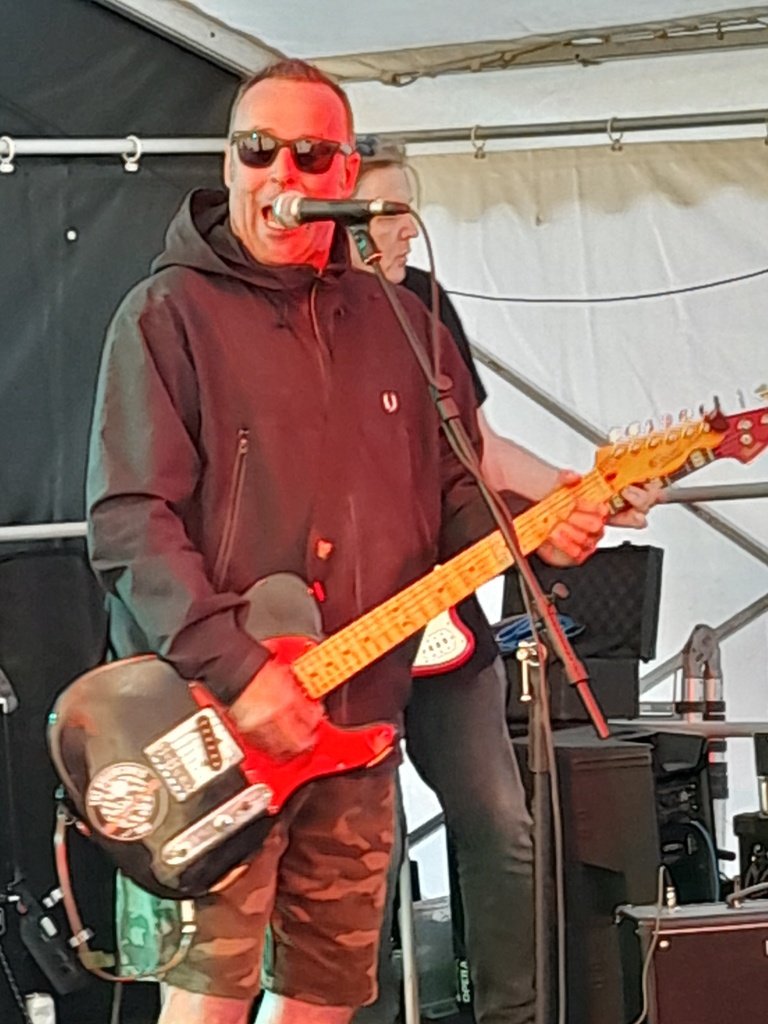
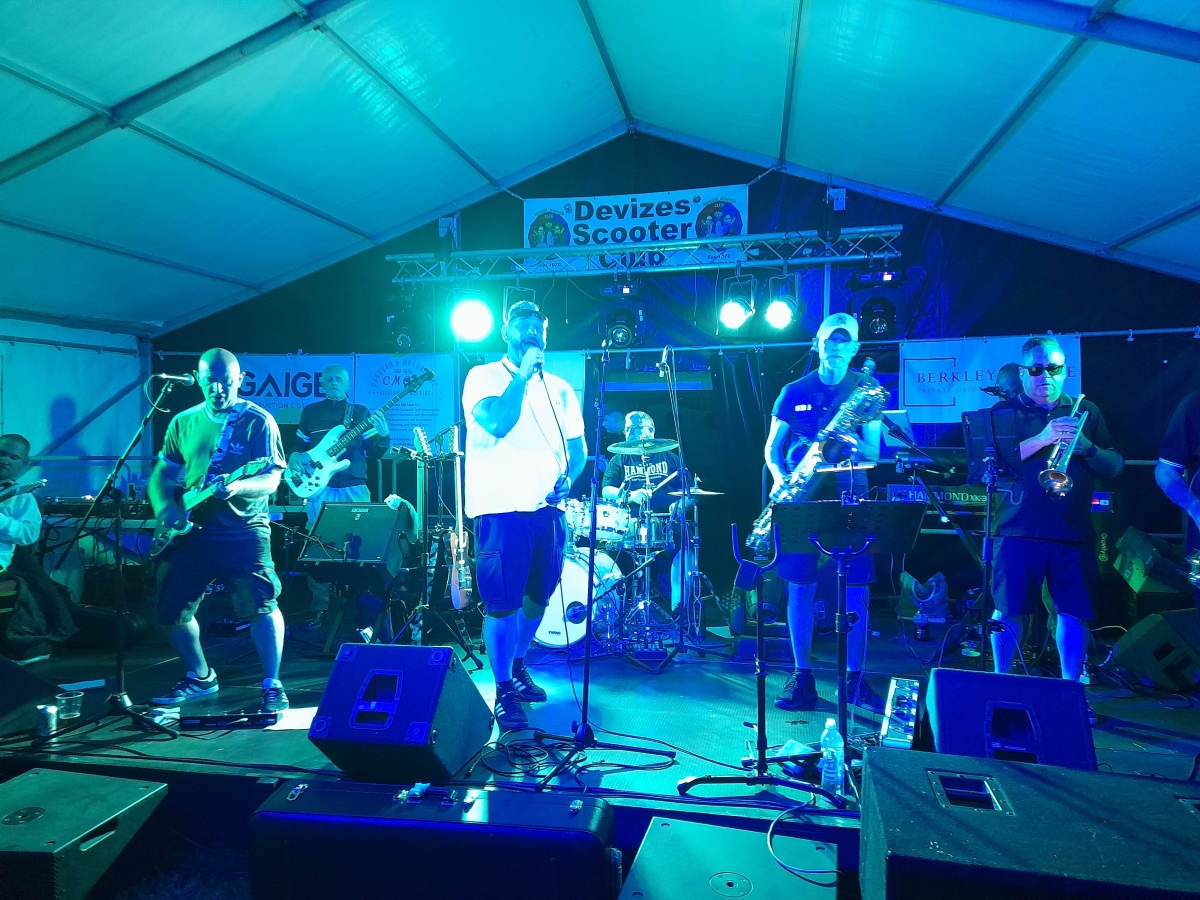
With Terry Hendrick’s Soul Pressure on the wheels of steel while the headliners set up, a fashion to see the rally into the wee hours, betwixt it regulars at the rally, the south-coast’s longest established ska ensemble Orange Street ripped the roof off.

Terry Hendrick

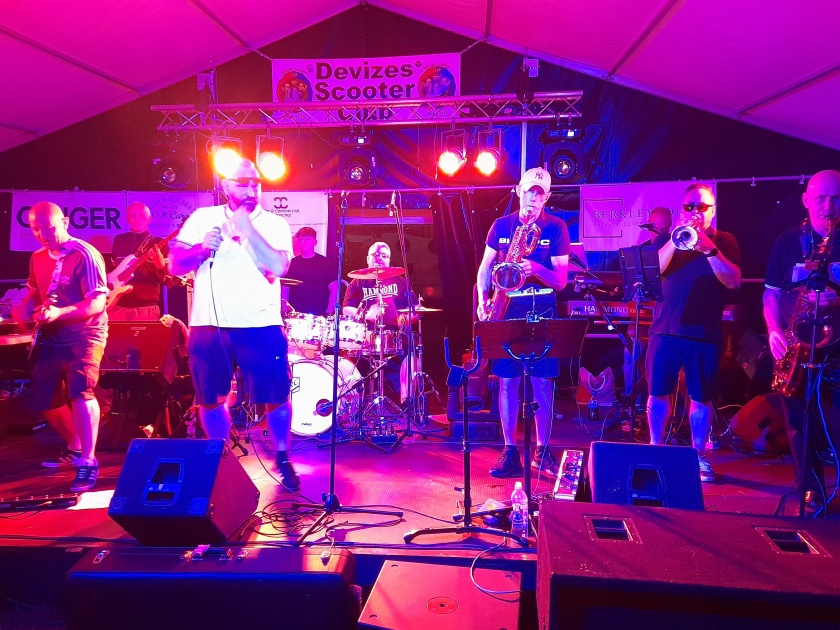
I could’ve predicted it such, but it didn’t affect the show’s infectious appeal. At an eight-piece complete with brass section, Orange Street are a highly capable homage to Jamaica’s “first national sound,” which infatuated the youths of sixties Jamaica, and thereafter spread worldwide through era-spanning waves. The second wave most memorable to Britain through Windrush exports appealing to mods; the tsunami known as Two-Tone. And to which the band rightfully nodded to, but also provided original engaging material which fits like a glove into such a set. 

Orange Street

The effect is akin to the attraction of the offbeat backwards shuffle, ska, which Prince Buster accidentally discovered during a recording session at Duke Reid’s studio Treasure Isle, not only reflects in the band name, the studio alongside Coxonne Dodd’s Studio One, both located on this legendary Kingston street, the equivalent of Nashville’s Music Row for reggae, but also in their performance which kicked off with a interlude of Madness’s Buster tribute, The Prince. Though it wasn’t long before the opening medley flowed neatly into the Specials’ Dog the Dog, and thereafter the whole spectrum of ska UK chart hits from Bad Manners to The Beat.

While other similar bands attempt to fuse later reggae styles, punk, or general electronica, Orange Street remain faithful to the roots and are therefore a premium choice for an event like this, cradled by a culture nostalgically devoted to it too. And in such, the event is so encapsulating there’s a jollity in the air impossible to hide. Coupled with the wider appeal outside the atypical scooter rally, with this extended and blossoming setup which had taken the Scooter Club weeks to set up, this is rather of festival proportions and equally as brilliant. 
It only leads be to heartfeltly thank and congratulate The Devizes Scooter Club for bringing us another astounding event which offers diversity to our local music circuit, a jolly good beano, and also attracts nationwide fans to our area…even if I’ve been hearing their hairdryers zipping back and forth the dual carriageway all weekend!!


Trending……
Rooks; New Single From M3G

Chippenham folk singer-songwriter, M3G (because she likes a backward “E”) has a new single out tomorrow, Friday 19th December. Put your jingly bell cheesy tunes…

Burning the Midday Oil at The Muck

Highest season of goodwill praises must go to Chrissy Chapman today, who raised over £500 (at the last count) for His Grace Children’s Centre in…

For Now, Anyway; Gus White’s Debut Album

Featured Image: Barbora Mrazkova My apologies, for Marlborough’s singer-songwriter Gus White’s debut album For Now, Anyway has been sitting on the backburner, and it’s more…

South American Ska

Discovering a thriving ska scene in South America is like England in 1979……

Studio 1’s architect, composer and guitarist, Ernest Ranglin proclaimed while the US R&B’s shuffle offbeat being replicated by Jamaicans in their early recording studios went “chink-ka,” their own crafted pop, ska, went “ka-chink.” Theorised this simple flip of shuffle took place during Duke Reid’s Prince Buster recording session mid-1959, added with Buster’s desire to include traditional Jamaican drumming, created the defining ska sound.

orange street prince buster
Prince Buster’s block party on Orange Street

Coinciding with the island’s celebration of independence in 1962, the explosion of ska was eminent and two years later the sound found its way out of Jamaica, when Byron Lee & the Dragonaires, Prince Buster, Eric “Monty” Morris, and Jimmy Cliff played the New York World’s Fair. But if Jamaica’s government revelled in the glory of the creation of a homegrown pop, behind the scenes, Kingston’s downtown was using it as signature to a culture of hooliganism, known as The Rude Boys, and thwarted it. Through curfew and a particularly sweltering summer of 67, horns were lessened, tempo was mellowed and reggae’s blueprint, rock steady, had formed.

world-fair
World’s Fair, New York 1964

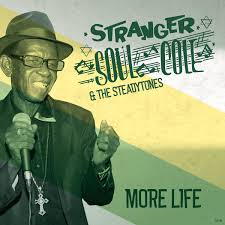
Forward wind fifty-five years and Jamaican ska pioneer, Stranger Cole launched album “More Life,” yet it’s released by Liquidator Music, a label dedicated to the classic Jamaican rhythms, but based in Madrid. Perhaps in similar light to Buster’s innovation, Jamaica doesn’t revel in retrospection and strives to progress; the last place in the world you’re likely to hear ska these days, is in Jamaica itself. Modern dancehall trends can be attributed closer to the folk music of mento.

stranger cole

But the design was set, and to satisfy the musical taste of Windrush immigrants in England, Bluebeat, and later, Trojan Records set to cheaply import the sounds of home. It was a combination of their offspring taking their records to parties, and the affordable price tag which appealed to the white kids in Britain. Thus, the second wave of ska spawned in the UK. By the late seventies the formation of Two-Tone records in Coventry saw English youths mimicking the sound.

bluebeat

Similarly, though, this has become today somewhat of a cult. Given the task of producing a radio show last year, for ska-based internet station, Boot Boy Radio, while aware of American dominated “third gen ska,” that there were few contemporary bands here, such as the Dualers, and Madness and The Specials still appeased the diehard fans, I never fathomed the spread of ska worldwide. The fact Liquidator Music is Spanish, it is clear, ska has a profound effect internationally, and in no place more than Latin America. Yet while England’s second wave is largely attributed to the worldwide distribution of ska, and waves the Union Jack patriotically at it, the sound of ska music spread to Jamaica’s neighbours significantly prior.

spouge

Caribbean islands created their own pop music. Barbados had spouge, cited as “Bajan ska,” despite a completely different rhythm section more attributed to calypso. Columbia likewise saw a surge in cumbia during the early sixties, a genre derived from cumbé; “a dance of African origin.”

dos aaa

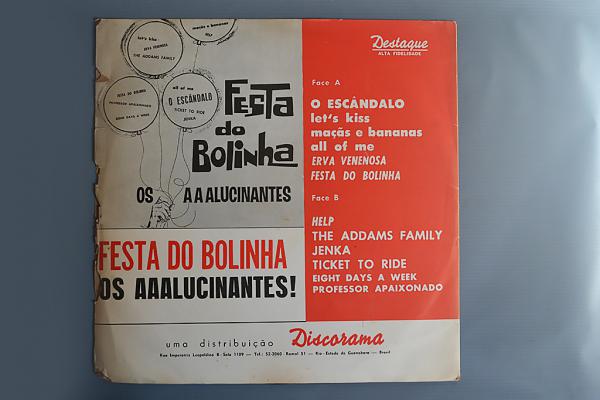
In South America though, ska was fused with their own sounds of samba, and particularly upcoming rock ‘n’ roll inspired genres such as “iê-iê-iê,” via Brazilian musical television show, Jovem Guarda. Os Aaalucinantes’ 1964 album Festa Do Bolinha predates England’s embrace of ska, the same year, in fact, as Byron Lee & the Dragonaires, et all playing the New York World’s Fair. At this point in time, through Bluebeat, English youth were only just discovering a love for Jamaican music, and Lee Gopthal wouldn’t found Trojan Records for another four years. This mesh of fusions gave birth to a creative period in Brazil, vocal harmony groups like Renato E Seus Blue Caps, and The Fevers followed suit, blending US bubble-gum pop with jazzy offbeat rhythms. It did not borrow from England’s mods; it followed a similar pattern.

Las Cuatro Monedas a Go Go
Las Cuatro Monedas

Similarly, in Venezuela, Las Cuatro Monedas introduced ska and reggae as early as 1963, with their debut album, “Las Cuatro Monedas a Go Go.” Through maestro arranger and composer, Hugo Blanco they won the 1969 Song Festival in Barcelona, and continued until 1981, when over here The Specials were only just releasing “Ghost Town.” Desorden Público is Venezuela’s most renowned ska band, formed in the eighties. When frontman Horacio Blanco was still at school, he wrote “Paralytic Politicians,” an angry, anti-Hugo Chavez anthem which his fans still yell for. Although Chavez died in 2013, his protégé Nicolas Maduro has descended the country into political and economic crisis; one example where South American ska is equally, if not more, dogmatically defending justice as Two-Tone here in the UK.

Desorden Publico
Desorden Público

Chile trended towards cumbia through tropical orchestra Sonora Palacios in the sixties, therefore ska didn’t fully surface until the third-gen bands of the nineties. Even today though, Latin enthused bands such as Cholomandinga and reggae is favoured through bands like Gondwana. The modern melting pot is universal and extensive though, I’ve got a lovely cover of Ghost Town by Argentine cumbia band Fantasma, who cite themselves as being the first to develop a cumbia rap. And when upcoming, all-female Mexican ska band, Girls Go Ska sent me some tunes to play, a cover of the Jam’s David Watts was one of them.

girlsgoska
Girls Go Ska

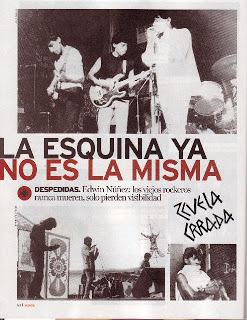
All’s fair in love and war; undoubtedly the Two-Tone era of England has had a profound effect on the worldwide contemporary ska scene, so did their revolutionary principles. Peru commonly cites its scene commenced in the mid-eighties, when punk and second-gen underground rock bands emerged in Lima. Edwin Zcuela’s band, Zcuela Crrada differed by having a saxophonist, and adopted a sound which bordered ska. Azincope and Refugio were quick to follow, not to the taste of the rock-based crowd who classed it commercialised pop. Psicosis came about in 88, the band to initiate the term “ska band” in Peru, taking steps to eradicate the preconception. They won a recording contract through a radio contest, the jury expressed concern; the band were radicals within a pseudo-movement with libertarian ideas, and so the band refused to record.

rlamovida
Zcuela Crrada

With influences from the Basque ska-punk band, Kortatu, Breakfast continued the rebellious nature with ska in Peru, but discarded their discography. It will take us into the nineties to start to find orchestral flairs, when Carnaval Patetico and Barrio Pamara emerged, bringing with them the country’s belated by comparison, second wave. Odd to see how punk gave ska a leg-up in this legacy, but the melting pot is bottomless.

Where some bands, such as Swiss Sir Jay & The Skatanauts, favour pouring jazz into their style, akin to how the Skatalites formed the backbone of Studio 1 through attending Kingston’s Alpha Cottage School, others, such as the States bands like The Dance Hall Crashers prefer to fuse punk influences, Big Reel Fish takes Americana to ska, and one has to agree the tension of teenage anguish felt by eighties skinheads equalled that of latter punk-rock.

dance hall crashers
The Dance Hall Crashers

The rulebook is borderless and limitless, to the point there is no longer a rulebook, through an online generation one can teeter on the edge of this rabbit hole, or go diving deeper. If I said previously, Two-Tone is a cult in England, in South America ska is thriving. Some subgenres bear little relevance to the sounds and ethos of original Jamaican ska. Other than the usage of horns to sperate them from punk or rockabilly, off-shoots of skacore and skabilly tangent along their own path. Oi bands prime example, where a largely neo-Nazi tenet cannot possibly relate to an afro-Caribbean origin.

Again, the folk of a nation mergers with the sound, and there can create an interesting blend, such as the Balkan states, where the Antwerp Gipsy Ska Orchestra and Dubioza Kolekiv carve their own influences into ska. Which, in turn, has spurred a folk-ska scene in Bristol and the Southwest, bands like The Carny Villains, Mr Tea & The Minions and Mad Apple Circus, who add swing to the combination, and folk-rock bands such as The Boot Hill Allstars, confident to meld ska into the dynamic festival circuit. South America typifies this too.

Mr Tea & The Minions

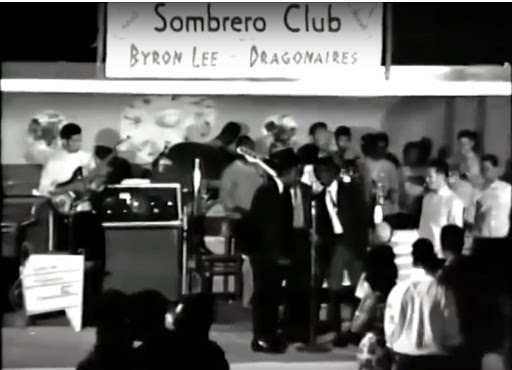
Modern murga, a widespread musical theatre performed in Montevideo, Uruguay and Argentina hugs ska through carnival. Argentina’s scene is as widespread and varied as the UK or USA, in fact it was former Boot Boy presenter, Mariano Goldenstein, frontman of The Sombrero Club who led me to the rabbit hole. If the name of this Argentinean band signifies Mexican, one should note, The Sombrero Club was a Jamaican nightclub on the famous ‘Four Roads’ intersection of Molynes and Waltham Park Roads in St. Andrew.

Sombrero club
Byron Lee @ The Sombrero Club

Journalist Mel Cooke recalls in a 2005 article for the Jamaica Gleaner, “although it carried a Mexican name, the senors and senoritas who stepped inside the Sombrero nightclub did it in true Jamaican style. It was an audience that demanded a certain quality of entertainment and, in the height of the band era the cream of the cream played there. “It was one of the premier dance halls for bands, live music,” says Jasper Adams, a regular at The Sombrero. “If you capture the image of the dance hall in London at the time, you get an idea of what it was like.”

sombereo club 2
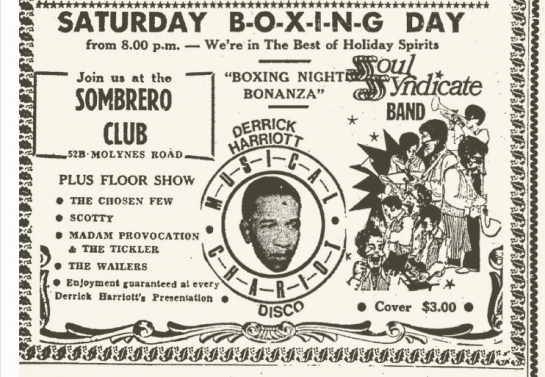
Note the Wailers, bottom of the billing!

After the demise of the Bournmouthe in East Kingston, in a bygone era, The Sombrero was the place to catch ska legends, Toots and the Maytals, Tommy McCook and the Supersonics and Byron Lee and the Dragonaires. There could be no name more apt for Argentina’s Sombrero Club, for within a thriving scene which mimics England in the grip of Two-Tone, their proficient and authentic sound is akin to our Specials or Madness.

The Sombrero Club

It is, however, through Marcos Mossi of the Buena Onda Reggae Club from Sao Paulo, perhaps a lesser known band outside Brazil, who have really spurred my interest in South American ska, through their sublime blend of mellowed jazz-ska and reggae, and through it I realise I’m still teetering on the edge of the rabbit hole. Aside the aforementioned bands, I’m only just discovering Brazil’s Firebug, Argentina’s Los Fabulosos Cadillacs, Los Calzones Rotos, Los Auténticos Decadentes, Karamelo Santo, Cienfuegos, Satellite Kingston, Dancing Mood, Staya Staya, Los Intocables, and Ska Beat City, Cultura Profética from Puerto Rico and Peru’s Vieja Skina. Pondering if the list will ever end.

Bunena Onda Reggae Club

One thing this highlights, while ska is international now, with vibrant scenes from Montreal to Melbourne, Latin America holds the key to a spirit akin to how it was when I opened my Christmas present in 1980 to find Madness long player, Absolutely.


Tune into my show on http://www.bootboyradio.co.uk – Friday nights from 10pm till Midnight GMT, where we play an international selection of ska, reggae, rock steady, soul and funk, RnB, shuffle and jazz, anything related which takes my fancy, actually!


© 2017-2020 Devizine (Darren Worrow)
Please seek permission from the Devizine site and any individual author, artist or photographer before using any content on this website. Unauthorised usage of any images or text is forbidden.