Featured Image: ©Gail Foster
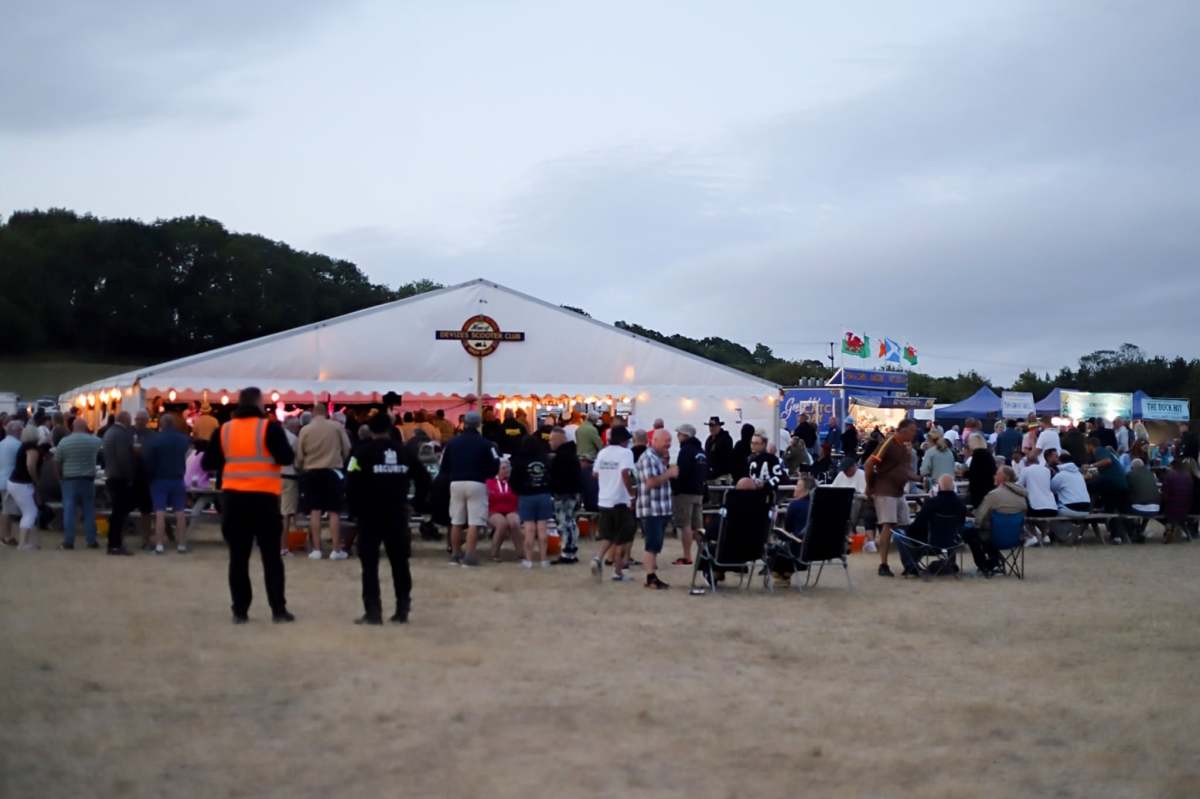
At least I think it was the sixth Devizes Scooter Rally; after three weekends spent at a sunkissed Lower Park Farm I’m getting a smidgen hazy! Nevertheless, I acknowledge and appreciate folk have their own valid reasons to cite either of these three major and hugely successful Devizes events as their favourite, but, personally this weekend was mine…..
It’s justifiable to suggest big sound and stages, renowned performers or a universal variety of tributes are elements as to why you might choose differently to me, and that’s all good. I’ve thoroughly enjoyed them all. Devizes Scooter Rally may not necessarily win these categories, it’s niche but knows what its punters want, and delivers it with passion, and utmost pride.
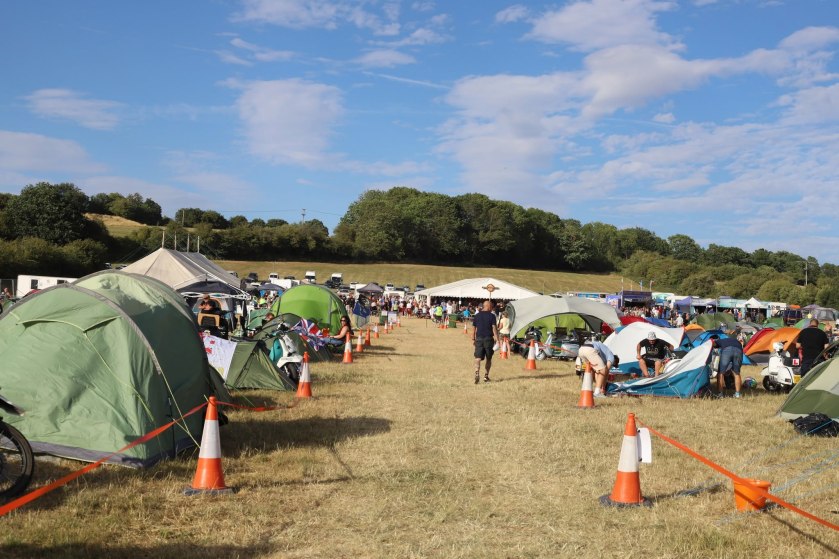
It also makes up for them all when the atmosphere is as electric as it was, the community feel extends to hoards of annually returning visitors from afar, the team’s dedication is second to none, and a campsite so jammed as to make Michael Eavis envious!
Not forgoing, for my personal taste, this one is a retrospective reflection on the music and fashions I grew up with and cherish to this day.
It might also be suggested, because of the success of Devizes Scooter Rally the others implemented similar; I’ve seen two Madness tributes prior to this weekend! But if tributes are essential elsewhere, while the rally had cover bands nodding to the era, and Madness will forever reserve a fair chunk of that respect, it had one tribute which must be as highly praised as those other acts, if not more.
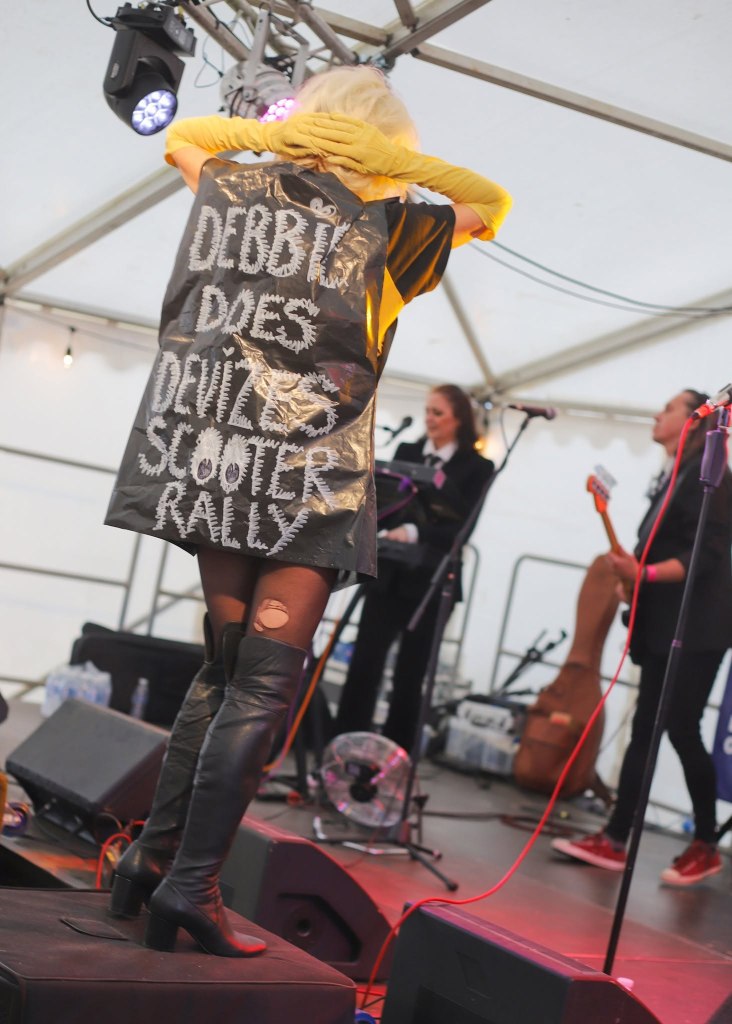
Nestled between magical ska covers eight-piece Hampshire/Dorset collective, Skamageddon, and the sublime soul ensemble All That Soul, Bootleg Blondie rocked my world, and I’ve seen the real McCoy! If you think covering T-Rex’s Get it On in a Debbie Harry style for an encore at an event full of mods and skinheads is risqué, with a certain ease it worked and alongside all their hits, Bootleg Blondie brought the house down with it.
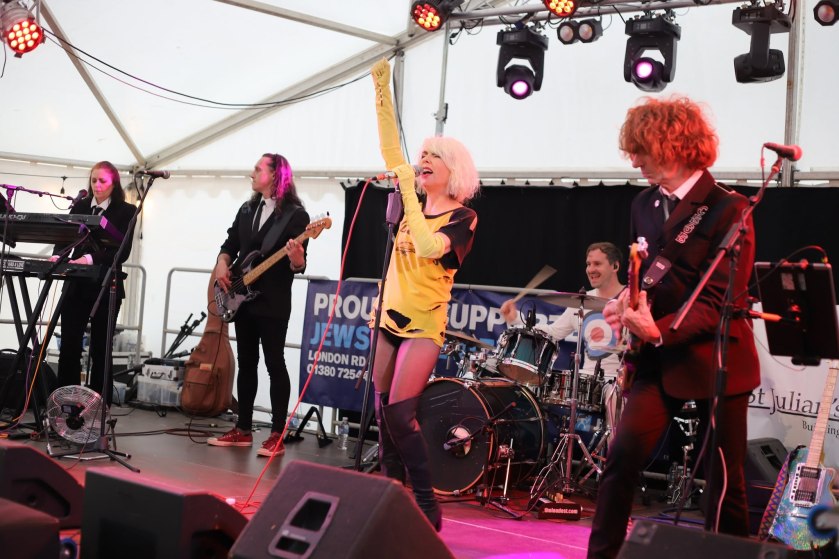
Bootleg Blondie is a concentrated marvel replicating the whole band, not just the adored frontgirl, and they were tight. Yet the latter must be said of all on the lineup.
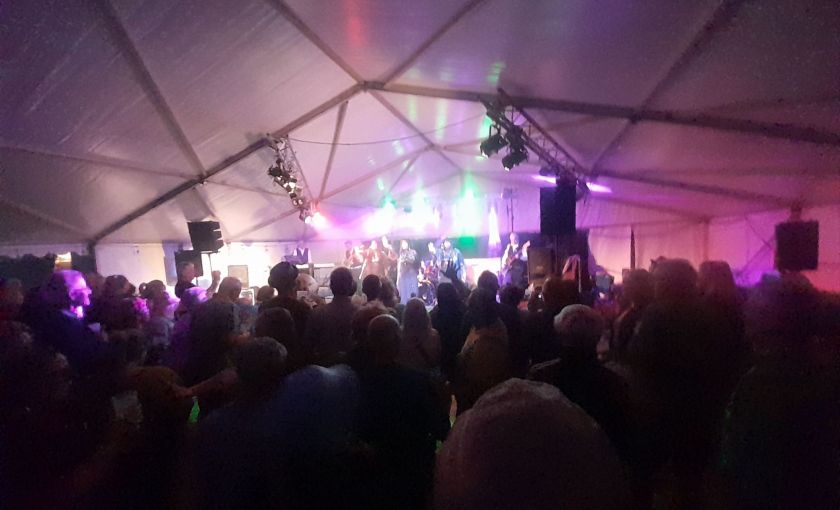
The returning Butterfly Collective kicked Saturday’s proceedings off with a glorious and vast selection of covers, enveloping every subgenre and youth culture represented in the crowd. From punk to ska to mod, and modernising with Britpop, whatever they followed each song with was as well-received as the previous. From Oasis to Sex Pistols, they knocked them all out of the tent.
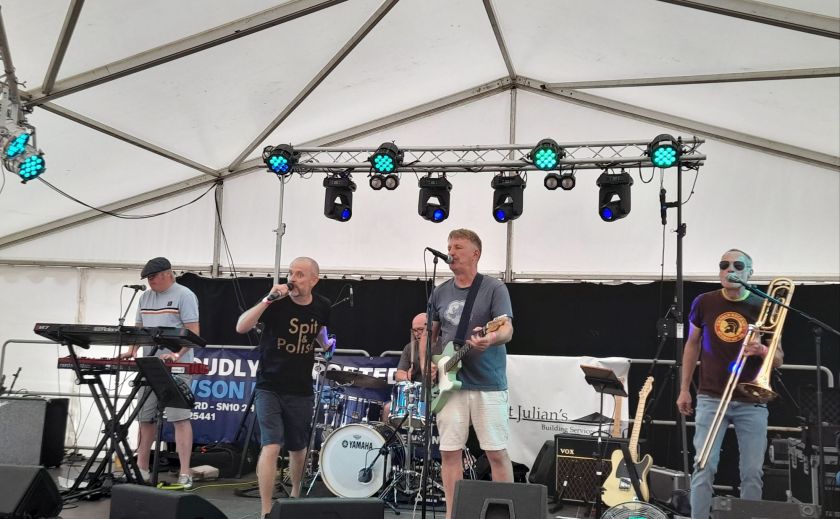
Most interesting was a finale where Tom Petty’s Freefalling was meshed into the Jam’s Town Called Malice, and after a ska-fused Woolly Bully encore they finished with a northern soul fashioned cover of Erasure’s A Little Respect. The lively frontman proudly told that it was their fourth time playing Devizes Scooter Rally and hailed it as “the best rally on the planet!” A sentiment reflected by the audience, and me.
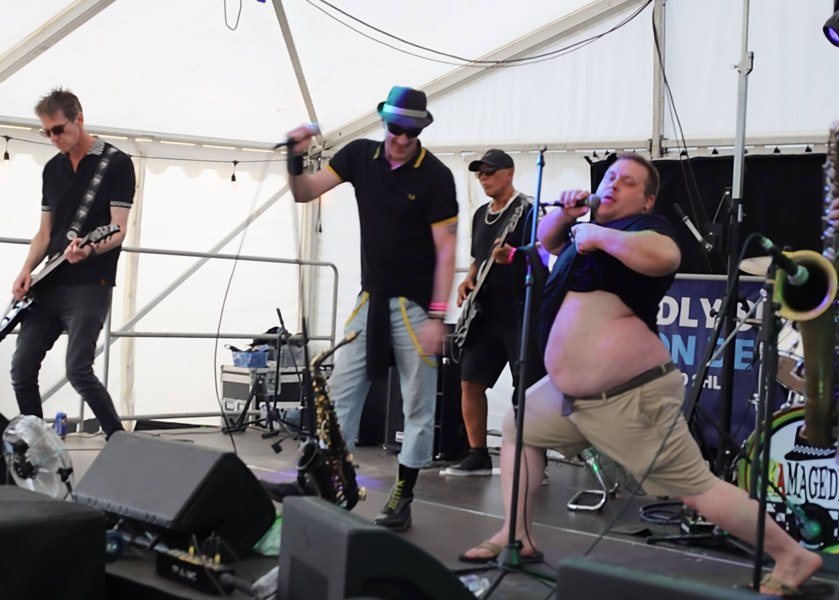
With Soul Pressure DJ Terry Hendrick filling gaps, it was onto Skamageddon, who, with matched excellence, gave us a superb repertoire of classic Two-Tone, blended with ska versions of novelty hits and exceptional stage banter. From The Specials to Bad Manners they hit the spot, and took to everything from Nellie the Elephant, the theme from the Fresh Prince of Bell Air, and even Mr Brightside over the rhythm of The Maytal’s 54-46. It was a brilliant set for Bootleg Blondie to follow.
With Park Farm full of food choices, stalls from crafts to scooter parts, and the busiest bar this side of Munich’s Theresienwiese, The Devizes Scooter Club has captured the energy of the already established larger rallies, yet retained the community spirit of the smaller ones. Now nestling in-between them, that is what the returning attendees love about it most. For if last year blossomed because of the arrival of Ranking Junior’s incarnation of The Beat, this year’s didn’t support such a renowned headliner, yet it equalled the size and ultimate atmosphere of last year.
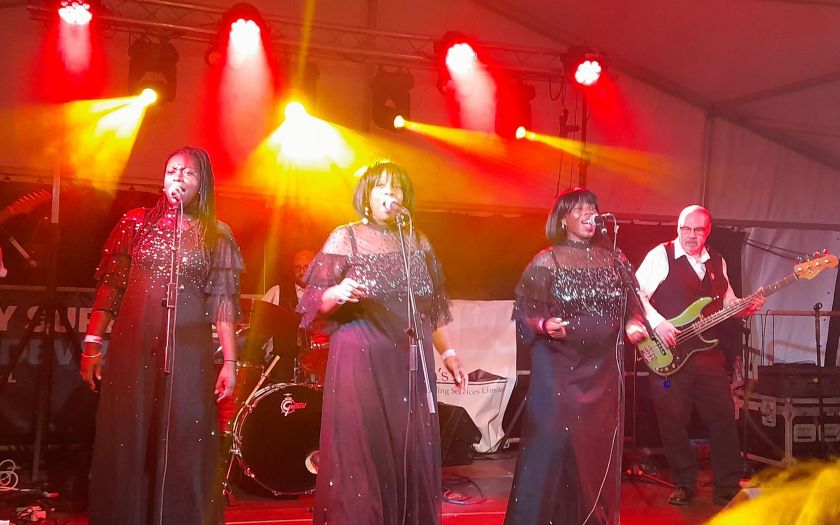
This should be particularly credited to the headline, All That Soul, for I couldn’t think of another tried and tested act by the Scooter Club who deserved it more. This soul singing trio of gospel rooted sisters, backed by an accomplished band, began with Motown classics and moved to a second half of funk and disco floorfillers. In a word, All That Soul is sublime.
Who dares to cover Motown? Most who do disgrace it, it was the crème of sixties soul singers, but All That Soul can replicate it like no other I’ve bore witness to.
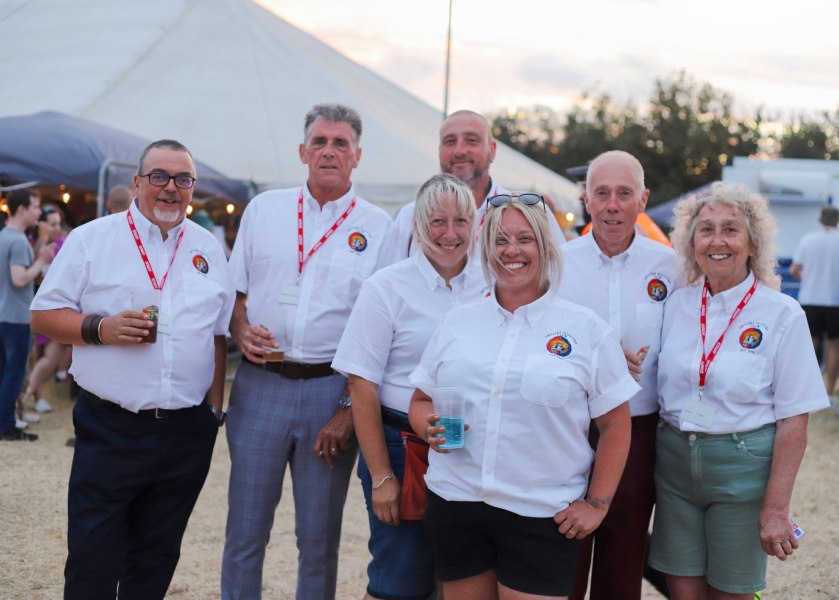
Moreover, credit and the highest of praises must go to everyone at the Devizes Scooter Club, and their volunteering family and friends, who labour on making this event as well organised, welcoming and absolutely brilliant as it is.
If combined, this summer of local events proves we’ve a wide diversity of music options and great scenes here in Devizes, the rally provides something it sorely misrepresented; retro soul, ska and reggae. I’ve eclectic tastes, but these are what I love most, therefore I’ve got to get it while I can, and Devizes Scooter Rally does, with big brass bells on. And brass is class!