In the dead of night sounds in a rural environment are resonating singularities, a car in the distance or the farmer calling his herd. In an urban environment it’s a cacophony, a mesh of motorways, trains and factories. Living in either you become accustomed, but to change can take adjusting. To accommodate the increase of clamour, when I first moved from a village to be neighbours with a cheesy nightclub in Swindon, we drained the noise outside with the 1990 KLF album “Chill Out.” Prior to being bound for Mu Mu Land with Tammy Wynette, they created an ambient soundscape which rarely provided a beat. I am reminded of this, and other vague but fond memories while listening to The Hotcakes of Wildfire’s four track EP, Shoes and Acid….
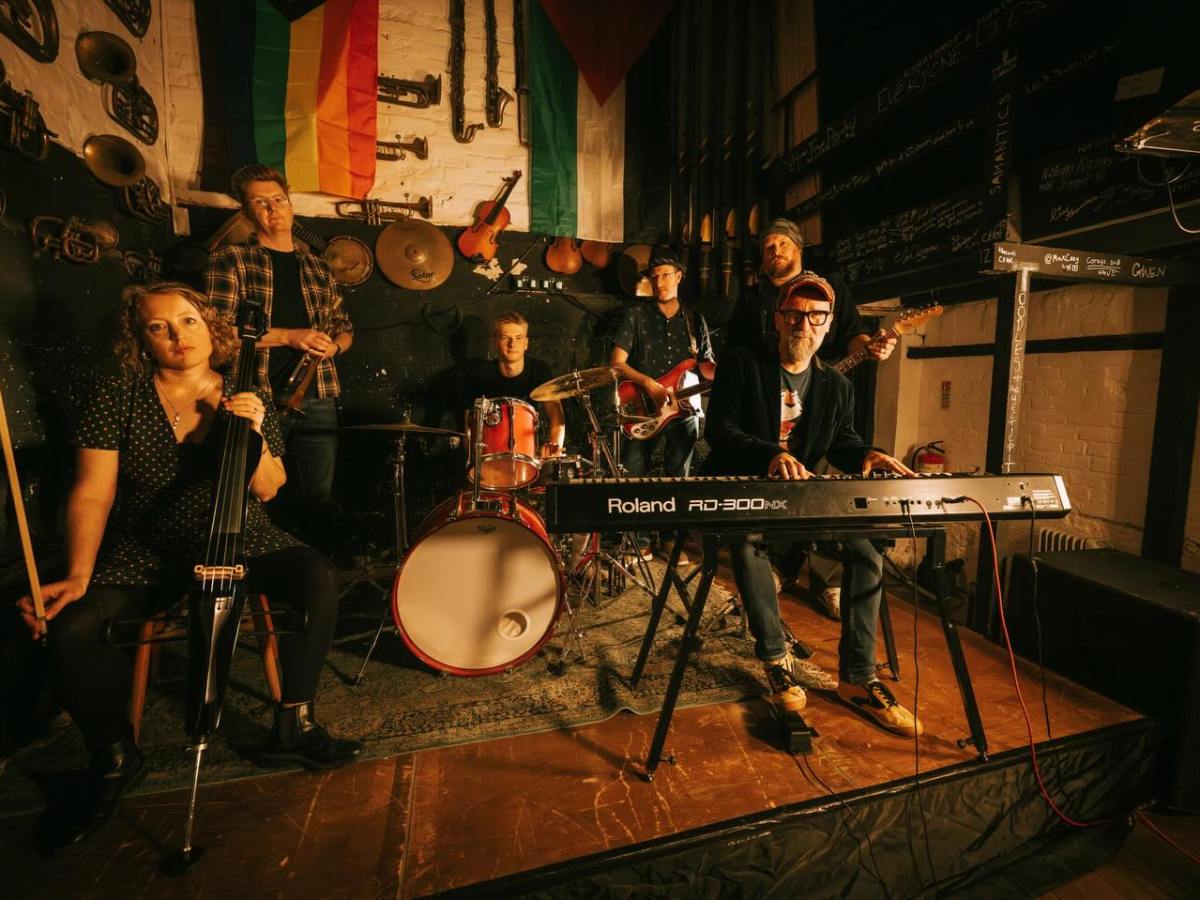
Released last week, Shoes and Acid is the brainchild of Mick Stanger, guitaristfor Bradford-on-Avon scrumpy & western outfit The Boot Hill All Stars and presenter of Sounds of the Wilderness on West Wilts Radio, a show where Mick uncovers a variety of experimental locally-sourced tracks. Alongside him are engineers Alex Pilkington and Leo Hossent, Boot Hill and Monkey Bizzle drummer Cerys Brocklehurst, with synths, guitars and vocals by Rat Himself, additional vocals by Holly Taylor and a fiddle from Ruth Behan. A different line-up from the 2022 debut single War of Words, whereby Mick thrashes out a tongue-in-cheek Scrabble war over grinding metal guitars, and a very different sound too; virtually horizontal dancing in places!
If I’m reminded of Chill Out, and stealthily manoeuvring through a jungle of guy-ropes and tent pegs across Glastonbury Festival like a missionary expedition, while The Orb rang out subtle harmonies like the call of the natives in the ether, it’s because I’m of that era. Factually, there’s been meditative and relaxing moods in all genres from classical and jazz to new age whale song or electronic kosmische. The beauty in Shoes and Acid seems to be that these Hotcakes nod to them all, or if not all, at least since the prog-rock of Zeppelin and Floyd, and exhausts them nonchalantly unique and punkish.
It’s a lo-fi soundscape opening with birdsong, but Stubentiger kicks in agreeably backwards like the intro to Electric Ladyland, and rolls out a pungent bass guitar riff akin to Frome’s Ozric Tentacles’ finest hour; it’s at this early moment I figure I’m in for an enjoyable if hypnotic ride; pass my meds. Four extended tracks is all it takes to knock up about forty minutes of expressive outpourings, largely instrumental and influenced by many soothing musical styles. I’m not sure if shoes are a requirement, but acid wouldn’t go a miss, it’s a trip.
Second tune Knocking at the Tree has whimsical female vocals conflicting with devilish male vocals, a drifting prog-folk-rock track wisping and earthy; a Westcountry Clannad with a sprinkle of Hawkwind. But if the prog-rock element continues into the eleven minute beauty, Fever Dream, it becomes very Ozric Tentacles, and like my favourite tune of theirs The Domes of G’Bal, it takes on dub reggae. Being that I’m fascinated by the studio adventures of King Tubby yet irked somewhat with dubstep, I’m most at home here, a contemporary Orb’s Towers of Dub which could convert Lee Anderson into a crusty traveller!
Fever Dream is the summit, an outstanding and epic moment in the album. A final track awaits us, now embedded in a horizontal dream like state imagining fractals forming in the sky. Tardigrades is another eleven-minute sonic exploration, beginning ambient house, Eat Static is expected but it doesn’t venture into trance-techno, rather it builds in layers like Leftfield but takes a space-rock angle with Holly’s vocals in the driving seat after five minutes of swirling spacey soundscape.
A gorgeous finale to a great third eye opening listen, which doesn’t appear to care if you’re coming at it from a Hawkwind or Orb direction. I’m just pleased to know there’s still folk out there producing soothing yet psychedelic ambient music on an astral plane, and this rolls a joint up for you and tucks you into a blissful slumber!
A sublime evening of electronic elegance was had at Bath’s humble Rondo Theatre last night, where Cephid’s album, Sparks in The Darkness, was played out exclusively to a packed house. It was, in a word, breathtaking….
The type of genius who built a laser-harp at seventeen years old, Cephid‘s composer, producer and multi-instrumentalist Moray McDonald is bound by modesty, and appeared, prior to the show, understandingly nervous about the prospect of performing. He hadn’t contemplated ever reproducing this masterwork on stage, for the project began as a collection of demos he created “for fun.” “With all my focus being on creating an album that would live up to the grand ideas in my head,” he explained, “I didn’t stop to think about whether this music could be performed in a live environment.”
Seems he shies from being centre of attention, his comfort zone on stage favouring the many occasions he hides as a keyboardist in prog rock bands. Moray, currently residing in Lavington, cut his teeth touring with progressive rock and metal artists such as That Joe Payne, Godsticks, Kim Seviour and Ghost Community, more recently he remixed for OMD.
Moray was adamant this was a totally exclusive show which wouldn’t be taken on the road, although it has the magnitude of doing so. The show was produced and promoted by his partner Charlotte, who’s theatrical flamboyance encourages Moray to overcome his reservedness. Therefore a communal air bloomed in the audience, that this was a one-off treat, and we were the lucky few; because we were.
Being I was there to review, it probably didn’t help his anxiety any telling him I’d seen Kraftwerk at a Tribal Gathering of yore, where from every tent of every subgenre ravers descended to observe the roots of it all. “Kraftwerk was the beginning of everything,” he agreed.
While it’s an accurate summary of the origins of electronic pop music, Sparks in The Darkness delves beyond this for inspiration. It’s orchestral on a Jean-Michel Jarre level; even if the show wasn’t to the same scale it was in spirit. It nodded to the trial phase of electronic music, prog-rock’s psychedelic swirls found in Pink Floyd, Led Zeppelin et al, and continues to the ambient house pioneers like The KLF and Orb. It rests on the heyday of electronica, the quirky experiments of new wave post-punk like New Order, and early US electro outfits, like Newcleus. Yet it incorporates contemporary technological advances, the variety of modern subgenres stemming from it, and it evoked in me a fascination with the history of electronic sound.
To contemplate futurist Luigi Russolo’s 1913 The Art of Noises theories, that music would change due to the ear becoming accustomed to mechanical, industrial and urban noises, and the dadaists flouting this, is to consider the eighties clunkiness of the engine sampling of the aptly named Art of Noise, or Yello, or the piercing hubbub of acid house’s 303s, for the sake of artistic expressionism rather than melodious music. Sparks in The Darkness doesn’t go there, it doesn’t tumultuously provoke, rather it’s polyphonically beautiful, sampleless, and tonally complimentary on the ear. In this, the decades of electronic music progression has become an epoch, therefore a “folk” music, effectively turning music full circle; Cephid is on that cusp, and proved it last night.
But not beforeThat Joe Payne, who later returned to the stage to provide vocals for Cephid, supported with an astounding original set. With just keyboard and voice he acoustically gifted us with a one-man rock opera, the like I’d never seen before. Combining camp comedy with tragedy, reminiscent of Elton John’s heyday and expressed divinely with the vast vocal range of Freddie Mercury, this was delicious vaudeville. Though I cite these clear influences, they broke the mould when they made That Joe Payne, and that is the only shame about this highly entertaining character.
If That Joe Payne was something which bucked my norm in the nicest of methods, the whole evening was equally different for me, who these days is used to traditional rock, folk, or blues bands, and even with a history of dance music under my belt, this wasn’t a rave anymore than it was a gig in the tradition of, even if the effect was similar. This was a showcase of modernism, an electronica fantasy in fruition. If at any point I likened it to something visually, it was Howard Jones meets Orbital, and that’s a high compliment.
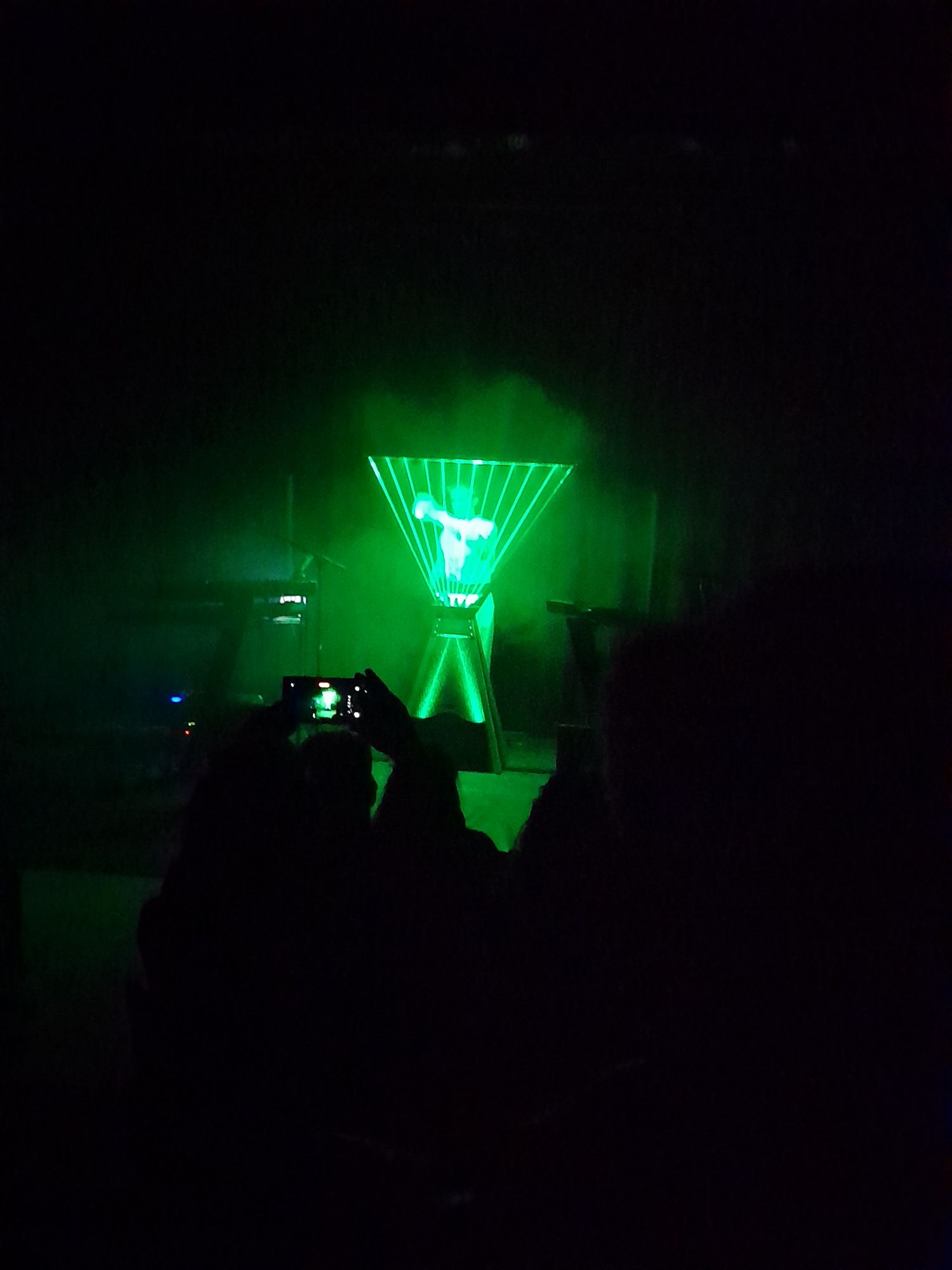
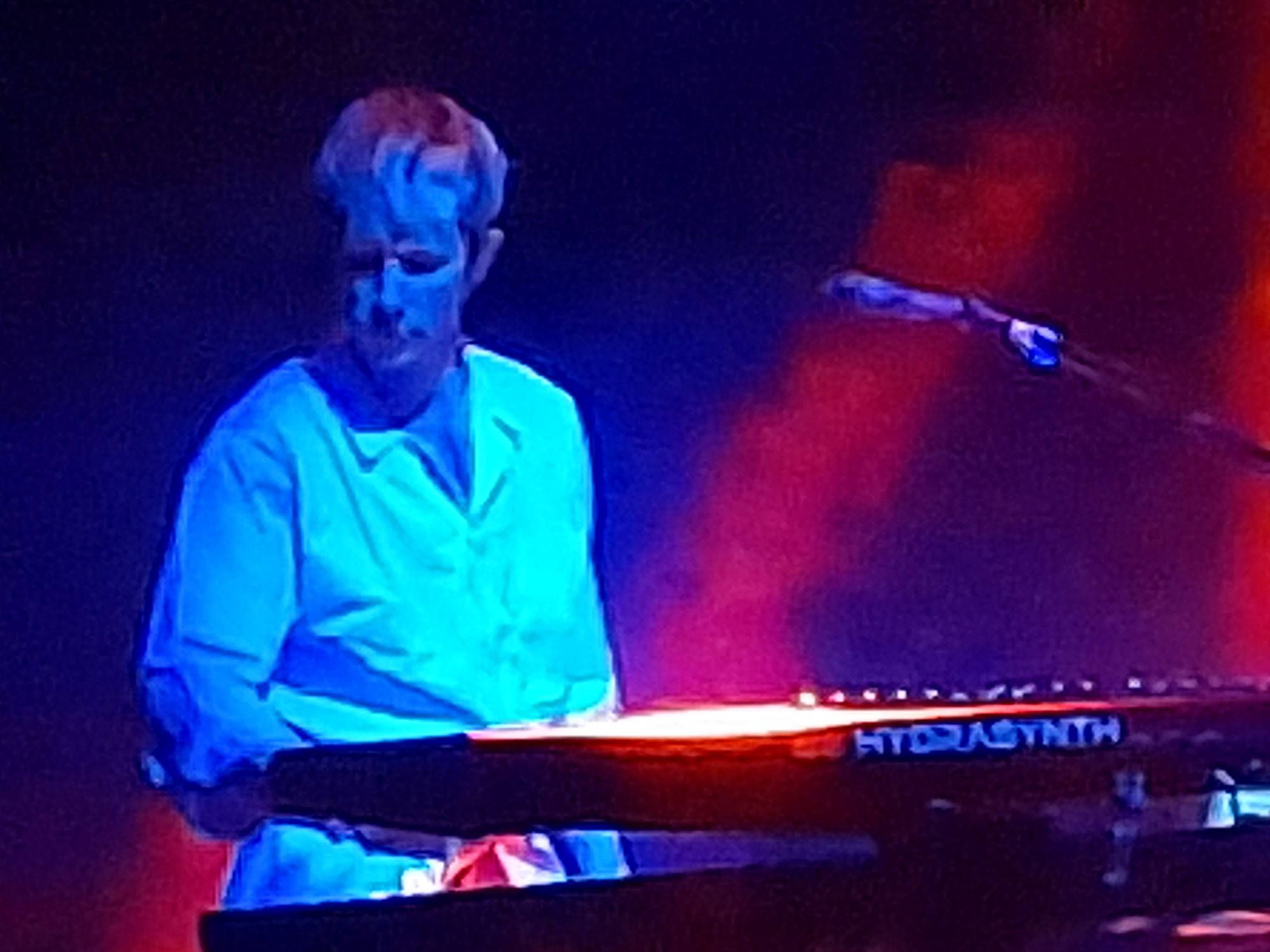
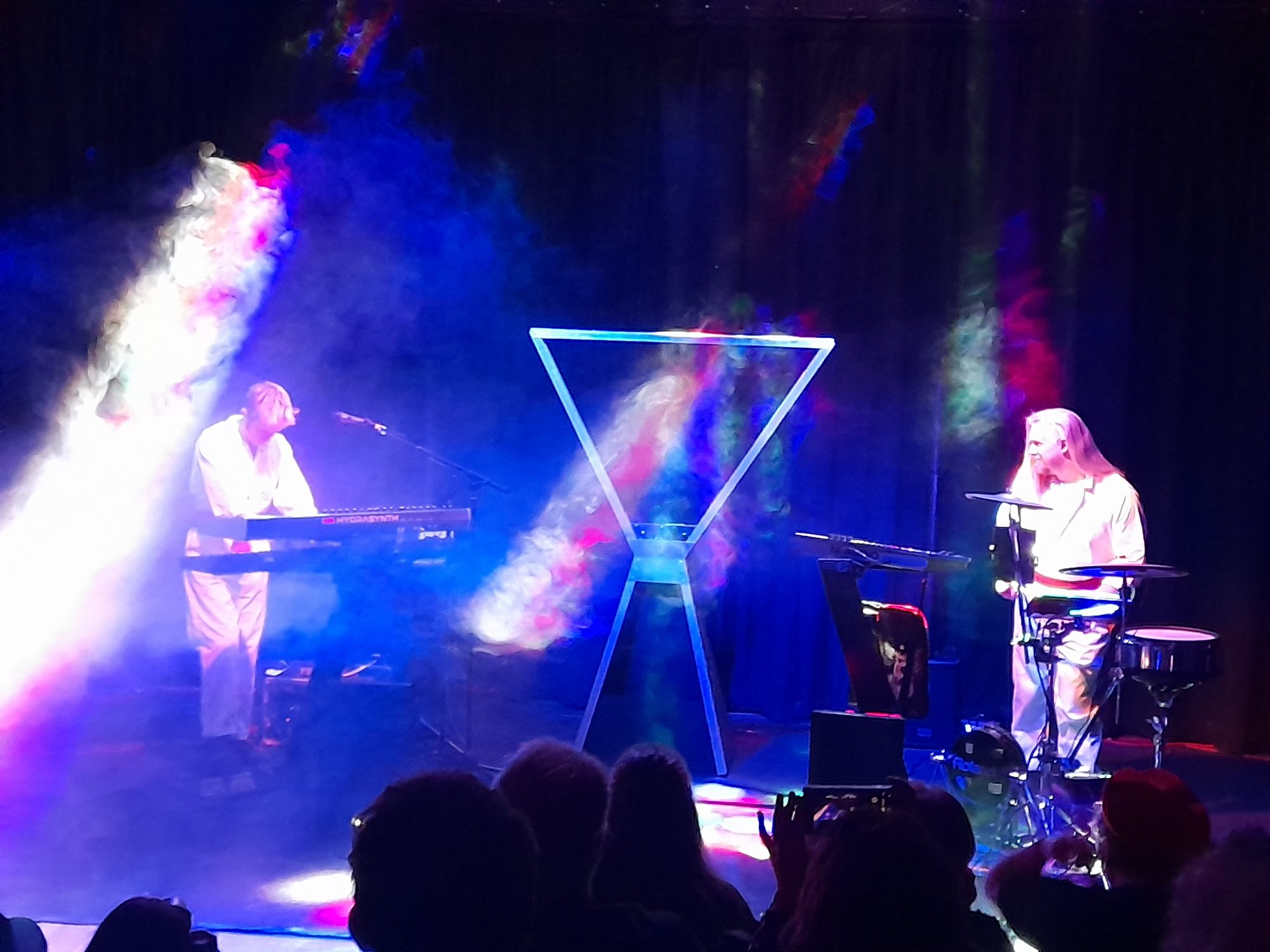
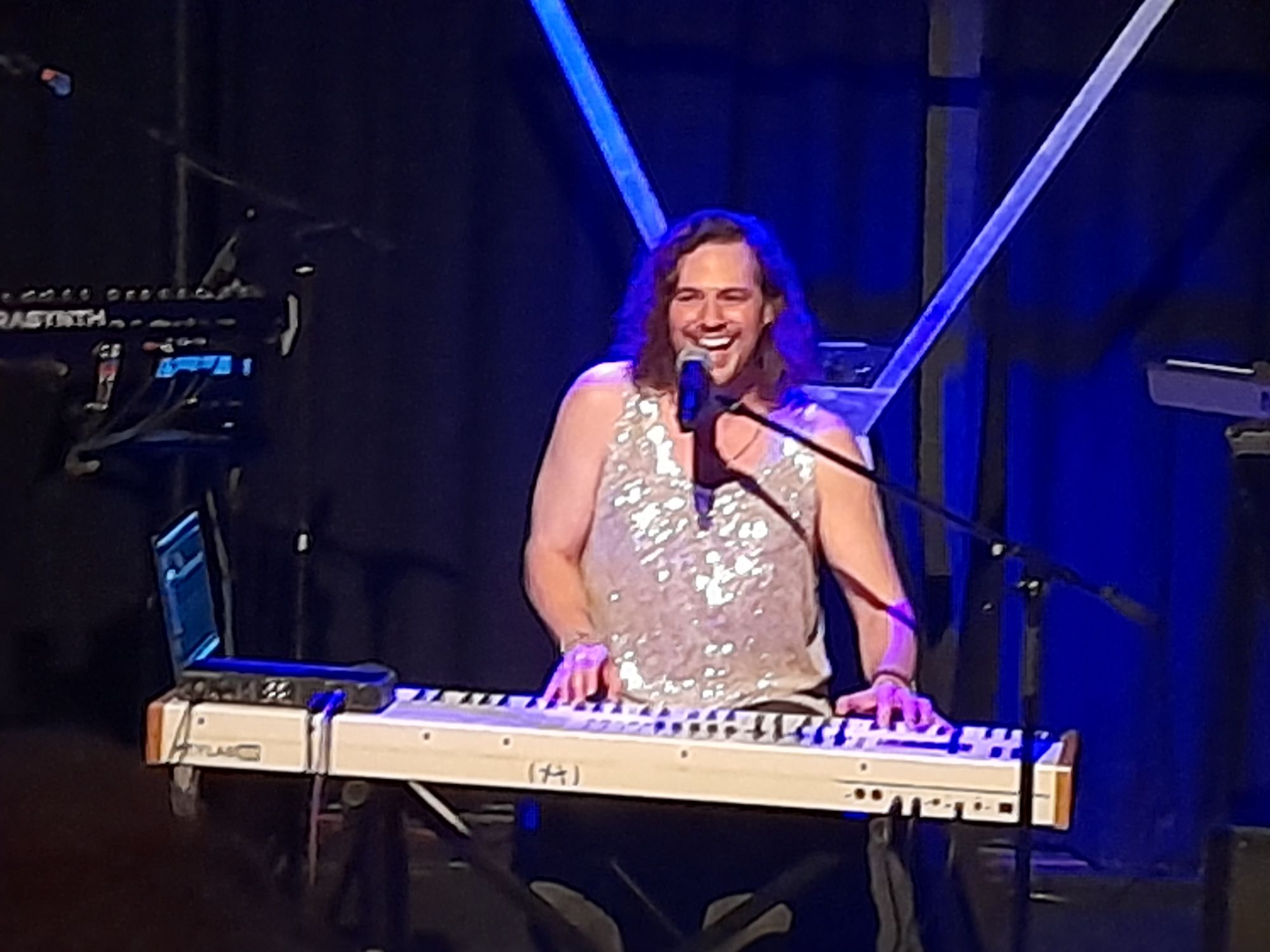
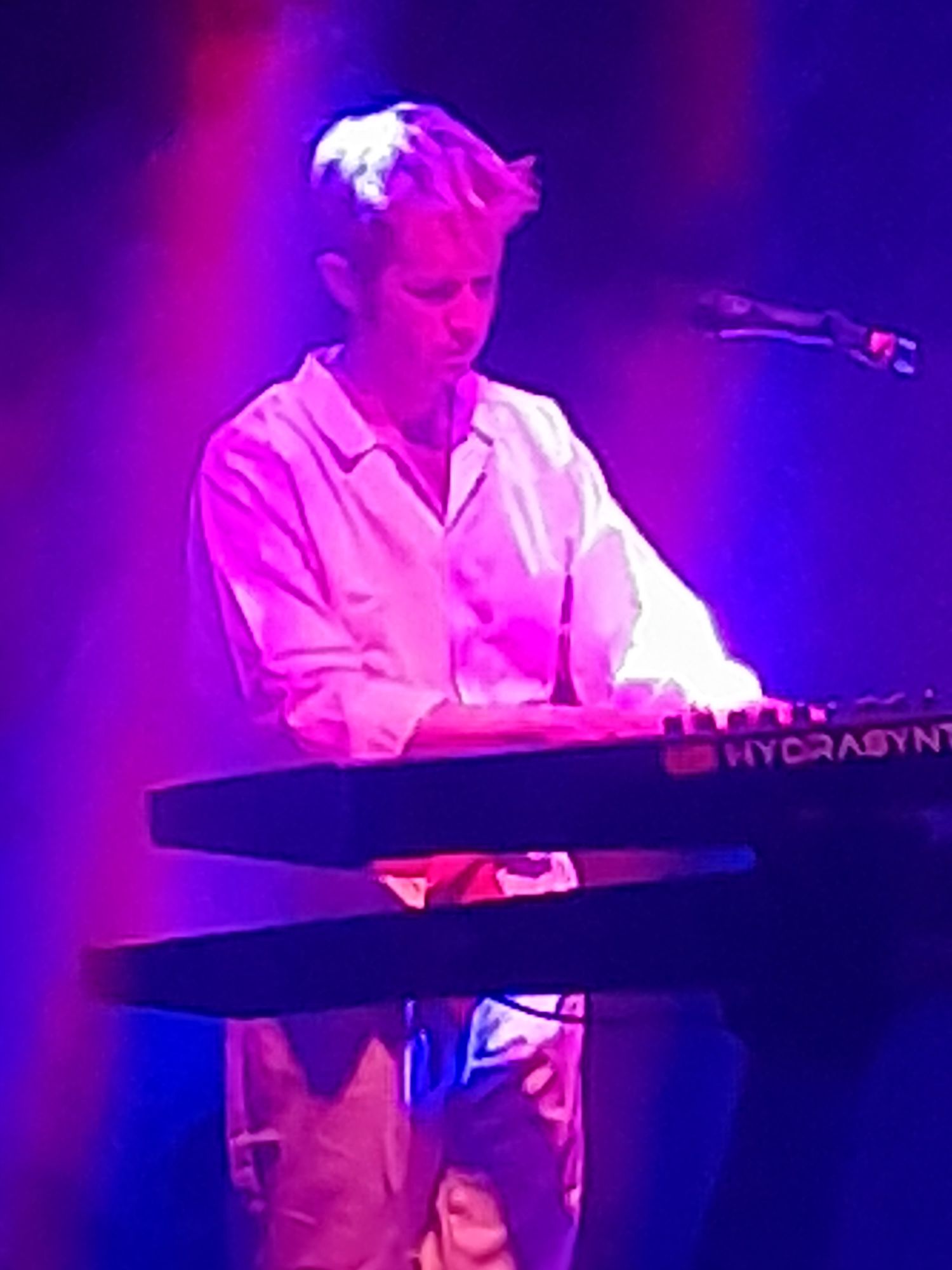
The Rondo ignited with laser lights after the interval, colouring the subtle smoke machine output, and doused with a building ambient drone. Moray appeared onstage with electric percussionist Graham Brown, both dressed in white bodysuits with scarlet tie-belts. Layers developed and the album was played out sublimely, stretched to fit the show. The skill of the pair, to unite in sound and highlight exactly how these tunes were accomplished was insightful, and amazing. The only analogue instrument being a snare, the rest was digital technology caressed to evolve the most refined musical topography, an audio landscape masterpiece.
The grand finale was the usage of the triangular centrepiece, the laser harp Moray created at seventeen but had never used publicaly. Even if many in the crowd were connected in some way to Moray or the team, akin to a family party, everyone was held spellbound when the laser harp strings lit up, and Moray took position behind it.
If the perfect composition of this groundbreaking sound, with the laser show and theatrical performance wasn’t enough to convince anyone in the crowd to the monumental importance to the artist, and the rare and wonderful occasion this was, it was Moray’s expression of sheer joy, at the audience’s standing ovation. It was confirmation that this project, so immensely well received, is surely the testament, plus an ego boost, to the diffidence of a creative genius!
You might have missed this show, but you can (and should) buy the album HERE.
David slew Goliath with a sling and a stone. Bishop’s Cannings Parish Council used evidence, against a group of Devizes Town councillors’ more circumstantial land…
Retrieved footage from a stolen drone of the Wiltshire Hunt Saboteurs reveals the Beaufont Hunt making a fox kill earlier this month, and it’s undeniable…
Best part of a year has passed since Cephid released the groundbreaking electronica album, Sparks in the Darkness. At the time I said of West Lavington’s musician and composer Moray Macdonald’s alter-ego’s masterwork, it was composed of “gorgeous complex structures and intense electronic textures,” and comparing it thus: “like Jean Michel Jarre came after dubstep, as if 808 State created Tubular Bells!” On February 8th 2025, Cephid is coming to life, live at The Rondo Theatre in Bath……
Yeah, so I waffled in the review, from Dadaist Art of Noises to Delia Derbyshire and onto Kraftwerk, but it was hard to describe this album, to convey how technically constructed it was, because while contemporary, we usually associate electronic music with dance music ever since the slapadash rave era. While it’s certainly danceable, it also relies heavily on the ambience of prog and space-rock soundscapes of yore, and creates this timeless classic impossible to pin down.
The show will likely be that rare and unmissable occasion, Moray said he’s “very excited and a little nervous to announce the first ever Cephid live show!” but that he feels, “lucky to have such a great space to perform in, and I’ll be using light shows, projections, and more to bring the album to life.”
Partner Charlotte is producing the show with Nick Beere on sound. Graham Brown of Grace and Fire and The Paradox Twin will be on percussion and keys, and there’s a solo support performance by ex-Enid’s That Joe Payne.
Since releasing Sparks in the Darkness, Moray has spent a lot of time explaining his thought processes while producing it, and remixing Kleptocracy, the new single from Orchestral Manoeuvres in the Dark which charted at number 1 in the Official Vinyl Singles Chart in May. If you’re an OMD fan, or just have the slightest interest in any subgenre of electronic music, this will be an unmissable show.
Buzzwords, like “turbo,” or “sonic” are cliche, overused trends which gain popularity because they sound impressive, even if they are empty of meaning. I…
It’s always nice to hear when an inaugural local event is successful, especially one as unique and original as Marlborough School of Languages’ annual…
Right here, right now in Devizes, Palooza spawned and has become the fast-growing house music event brand in Wiltshire. They’ve been invited back to perform at Fatboy…
Featured Image: Helen Polaxpix What has Devizes’ greatest millennial musical export, England rugby player Jodie Ounsley’s ghost writer, some scummy mummies, a professor of biology…
Four Dauntsey’s Sixth-Formers have been awarded travel scholarships, and plan to cycle all the way from their school to Bonn in Germany, shortly after…
Leading Wiltshire digital entrepreneur Natalie Luckham, AI Educator and founder of award-winning Wiltshire social media consultancy Naturally Social is hosting a free “Introduction to…
Our very own illustrious orchestra, The Fulltone Orchestra, are staging live performances of Enya’s 1988 breakthrough album, Watermark in Basingstoke, Bath and Cheltenham later this month. They promise to be symphonic celebrations of the bestselling artists’ sublime and distinctive sound…..
The Fulltone Orchestra, accompanied by the magnificent female voices of The Cantiamo Choir, revive Enya’s iconic and pioneering album in a series of live performances, culminating at The Anvil, Basingstoke on the 7th of November, beginning with Cheltenham Town Hall on 31st October, and with a date at Bath Forum in the middle, and that being the 5th November.
This is the unique opportunity music-lovers will cherish. To experience the prevalent and admired blend of Celtic, classical, and ambient soundscapes of Enya’s ethereal and timeless sound, accomplished with the magnificence of a sixty-five-piece orchestra and the finest singers.
Watermark was not only Enya’s breakthrough album but debatably her magnum opus. Its commercial success was renowned through its exclusivity, was honoured with glowing reviews and sold over eight million copies.
Now, obviously I’m far too young to remember Enya’s Watermark. With the geographic knowledge of an American box turtle, I only ever knew Orinoco as a Womble, and the single concerned me as to what his “flow” might have referred to!
Arranged by noted pianist and composer, Dominic Irving, this spectacular piece has been specifically written for orchestra and choir, and will transport audiences back to the late 1980s, alongside other hits by Riverdance, Enigma, Clannad and Karl Jenkins.
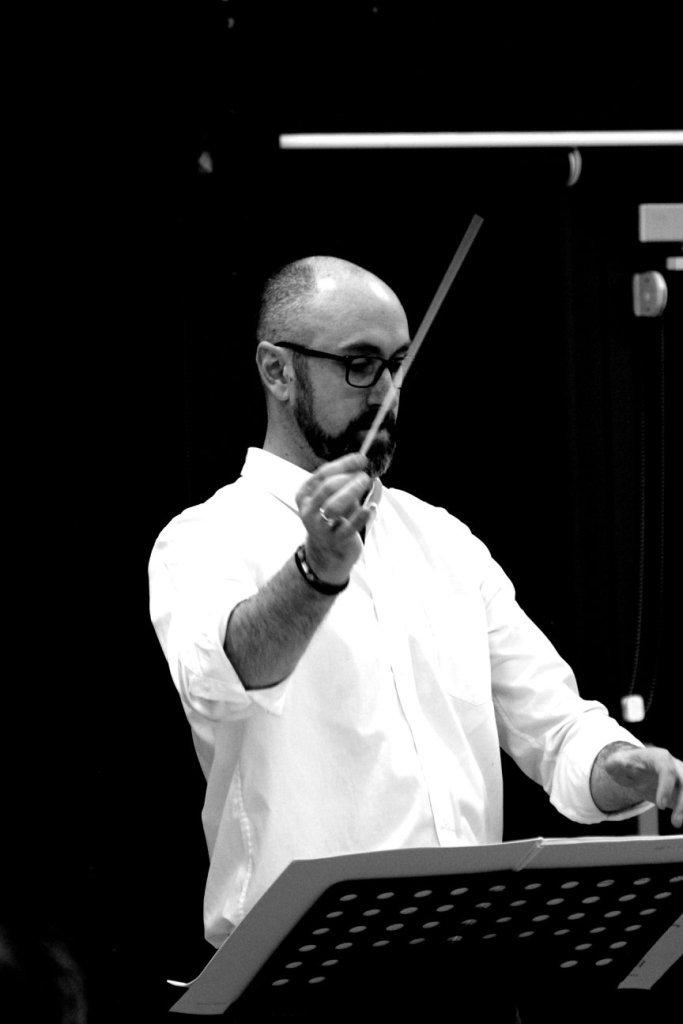
Conductor Anthony Brown at Fulltone 24. Image: Gail Foster
The evenings will also include the smash hit Lily Was Here, made famous by eighties saxophonist Candy Dulfer, and will be played by legendary sax player, Vicki Watson.
The Cantiamo Choir features Welsh-born vocalist Amelia Jones, recognised for her lucid tone and expressive vocal delivery. The Fulltone Orchestra is a sixty-five-piece orchestra with a variety of acclaimed musicians from the Southwest and is led by Musical Director Anthony Brown. They have past praised performances in venues such as Bath Abbey, Wells Cathedral, Marlborough College and Cheltenham Town Hall, and organise an annual festival, Fulltone, in Devizes; yay, I said Devizes! Editor’s note, the orchestra spawned here; get in, you moonrakers!
Jemma Brown, Fulltone Orchestra Artistic Director said, “We’re absolutely delighted to be able to bring this much-loved music to audiences across the South this autumn. Watermark catapulted Enya to international fame, with the number one hit, ‘Orinoco Flow.’ It’s sure to be a highlight of our performance. There’s something incredibly special about the sound created by a full orchestra alongside the voices of Cantiamo, and audiences can expect an exciting evening of music on a magnificent scale.”
Devizes Outdoor Celebratory Arts key into the town’s majority demographic for its first annual event of the year, mature couples, with an affection for sampling…
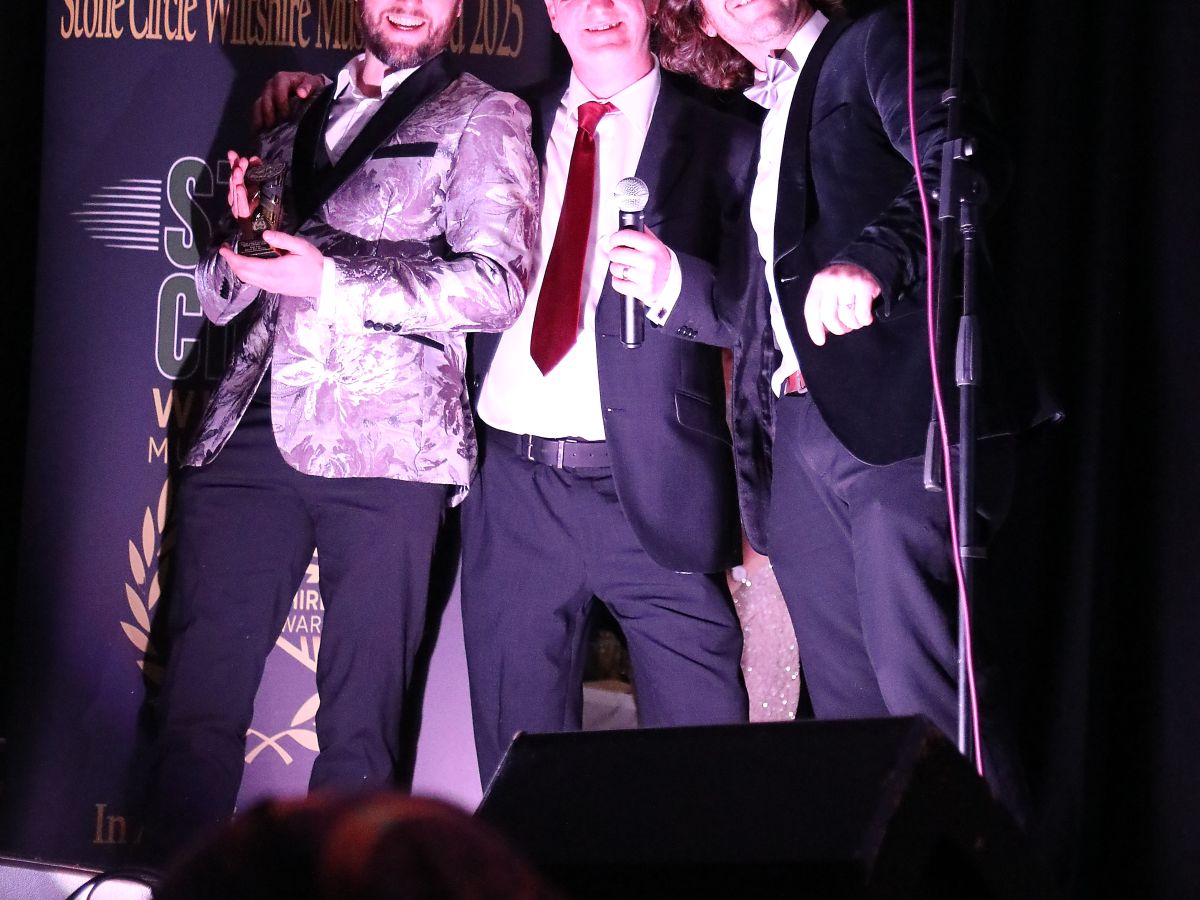
The Wiltshire Music Awards 2026 entered an exciting new era when Stone Circle Music Events announced was as official sponsor and organiser. Backed by their…
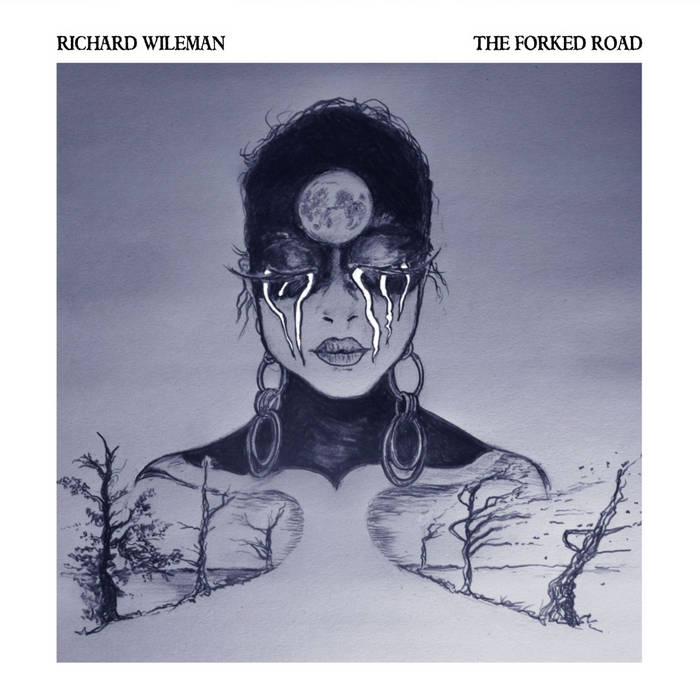
Fashionably late for the party, apologies, the fellow I’m not sure if he minds me calling “the Mike Oldfield of Swindon,” though it’s meant as a high compliment, Richard Wileman, released his fourth solo album, yesterday (Friday 12th Jan,) The Forked Road. I’ve been lost in its gorgeous blend of prog-rock experimentation and acoustic folk goodness for a while now, perhaps too much to get around to telling you about it!
It is more usual for Wileman to separate his two defining subgenres into composing under the pseudonym Karda Estra, for the experimentally ambient prog-rock, those lush Pink Flyodesque vibes of deep instrumental, and using his own name for the more acoustic folk moments. Yet since Led Zeppelin’s debut in 1969, the two have been married, and here, Richard combines them to great effect. Indeed, it is the former style which draws you deep undercover as a way of a dawning, The Last Book of English Magic is four minutes of lush and gentle instrumental introduction, easing you into this album, the most diverse I’ve heard of Richard’s, playing it out with a reprise, the First Book of….
He takes vocals on the second airbourne tune, Butterflies, a floaty beauty you’d know already if you had just bought our compilation album for Julia’s House, as it was contributed to that project. Wileman describes the album as a “prog-folk horror concept album, rooted in his home county and charting the encounter of a comet with Earth, resulting in the undead rising and converging on The Ridgeway, all bookended by the last and first books of English magic.” Ifauthor Philip Carr-Gomm transports us across England’s vast scholaric of occult arts and explores its history of magical lore and practice, Wileman captures this in music as wonderfully as Zeppelin did with the fictional magic of Tolkien; only this Shire is Wiltshire.
The title track again find us on the experimental instrumental path again, and it’s enchantingly cobblestone, teetering with whimsical harps, from Chantelle Smith, like sorcery evaporating into mist, only to be followed by the summit of this adventure, The Children of the Sun, a duet with Amy Fry, which is blissfully sublime; dreamy is the benchmark here.
Just like the Horses of the Gods album, We Wish You Health, if you’re not whisked into a timeless magical realm within the mystics of your own county by now, seek medical attention! Avenue & Circle is more harp and melodica driftiness, like wandering into the crystal shop in Avebury. Finally, the scene is set, and Richard brings back Amy Fry to vocalise the diegesis unfolding. Comet Vs the Earth is Wileman’s Forever Autumn, if Justin Hayward was Jeff Wayne’s scene setter in his musical version of War of the Worlds, and what can be more of a Wiltshire related comparison than that?!
Harpist Chantelle Smith duets with Richard on the next tune, Old Bones, delicately resurrecting, never does this venture into anything horrifically jumpy, rather flows gently throughout, even if things are becoming spooky in the next instrumental piece, Spectres of the Ridgeway, which in its very name suggests the narrative of the concept.
Alongside guest vocalist, Amy Fry, who also adds saxophone, and harpist Chantelle, and his daughter Sienna, who captured sound recordings of Avebury, Richard’s multi-instrumental skills are at the forefront, taking on guitars, vocals, bass, keyboards, percussion bouzouki, Appalachian dulcimer, accordion, melodica, and finalises his projects with artwork.
We’re nine tracks into this storyline, concluding with a dramatic ambient piece. Wileman’s faint lamentation leaves you wondering if the Inevitable Beast is metaphoric and you’ve missed a reality within the plot, and it’s followed by the aforementioned reprise. Combined this album is awash with the timelessness of prog-rock concept albums, of Bowie, and The Who, yet dreamy as Pink Floyd, all this I expected, but in listening to the past two sections, of Richard’s acoustic solo work largely with Amy Fry, and the more experimental angle of Karda Estra, I’ve longed for the two to embrace, and here it is, and it’s all rather lovely, wrapped in mystical narrative; top marks!
It seems Shrove Tuesday celebrations in Devizes have fallen as flat as a….well, you get the gag… Traditionally organised by Age Concern Wiltshire, and often…
The mighty mighty Minety Music Festival announced The Bluetones as their Sunday headliner at their Eames Laurie Main Stage, and The Dub Pistols on the…
The celebrated Shindig Festival at Malmesbury’s Charton Park announced their headline act for May bank holiday 2026, and being that it’s Bob Vylan, it is…
Just when I think every musician within a ten-mile radius is under our radar, another one pops up, and usually, they produce electronic music. So, I say, look, I know Devizes is a blues town, but Devizine covers all arts, and besides, I’m an old raver; ergo, if you’re creating music, electronic or not, you’re very welcome here….
Proving I’m an old raver, for photographic evidence is nil and memories vague, West Lavington’s musician and composer Moray Macdonald’s alter-ego Cephid’s forthcoming album, Sparks in the Darkness had me pondering a post on a Facebook group for ravers, which I wouldn’t be on if I wasn’t! Someone posted a video highlighting the work of Delia Derbyshire at the BBC Radiophonic Workshop, another commented rightly she was a pioneer of electronic music, a second added “erm? Kraftwerk?” causing me to rant; it doesn’t take much these days!
Yeah, I’ll give you, Kraftwerk were the primary electronically generated pop group, but Derbyshire’s magnum opus, the Doctor Who theme, an electronic rework of a Ron Grainer composition, predates Kraftwerk’s first commercially successful album Autobahn by eleven years.
This raises a fascinating point; at electronic music’s clunky inception few sought it viable for commercial pop. Fatboy Slim pointed out, You’ve Come a Long Way, Baby. The BBC Radiophonic Workshop created sound effects ideally for sci-fi series. Lesser-known German electronic pioneers Tangerine Dream only became familiar to the masses during the eighties for their numerous Hollywood film scores. Organisation zur Verwirklichung gemeinsamer Musikkonzepte, Kraftwerk’s quirky and pre-synthesizer antecedent, was the crème-de-crème of kosmische Musik, Dusseldorf’s experimental scene of the sixties, but while it took psychedelia and space-rock to another planet, Melody Maker mocked it “krautrock,” a name which stuck as its genre.
Seems rock’s phobia of electronic progression was the reason for Britpop’s retrospection to acoustic instruments once rave came of age. The chalk and cheese mingle side by side in today’s pop; David Gray’s self-dubbed style, folktronica hammered that last nail in.
The relevance of all this is, while immersed in Cephid’s gorgeous complex structures and intense electronic textures, one cannot help but contemplate the combined efforts involved in contributing to this development, as it harks it’s influences and indulges those passed, no matter by Sparks in the Darkness comparisons all would sound timeworn. From the impact the Doctor Who theme must’ve had on the English television-watching nation, to The Art of Noise and Yello, and from avant-garde American electro outfit Newcleus, to Universe’s Tribal Gathering 1997, when I observed every raver ascend from their chosen subgenre tent to pay respects to Kraftwerk. Cephid encompasses these, yet is ultra-modern, uses tech as orchestral, and is as fresh as the Buxton spring; like Jean Michel Jarre came after dubstep, as if 808 State created Tubular Bells!
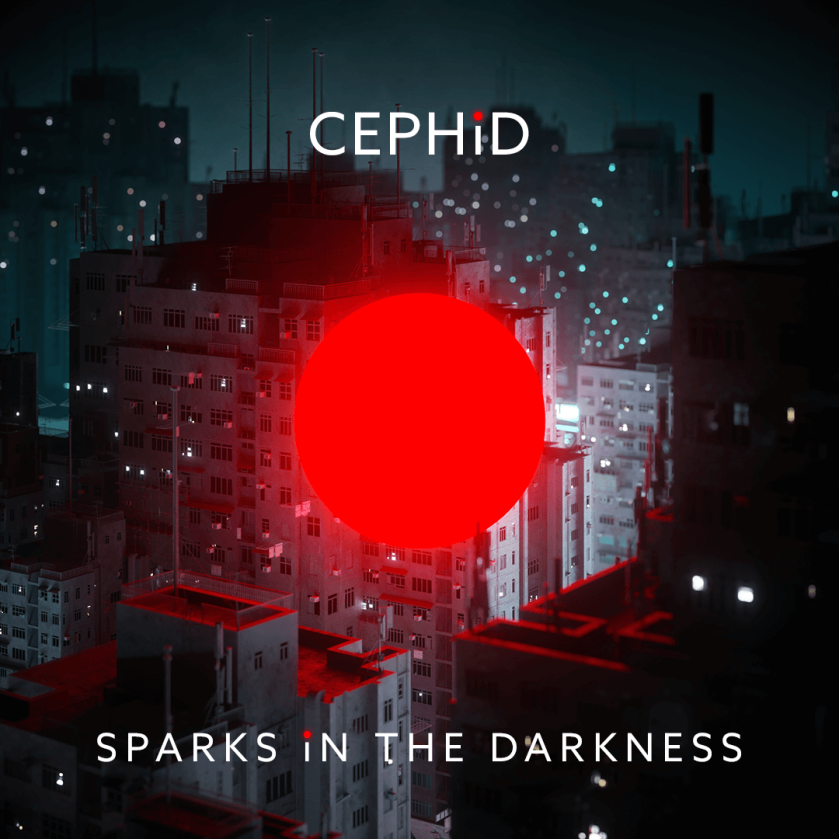
Futurism and sci-fi remains a large part of marketing presentation for electronic dance music, from the eerie android on the cover of Kraftwerk’s We Are the Robots, to Phil Wolstenholme’s Vergina sun spaceship on the Orb’s 1992 album U.F.Orb, Sparks in the Darkness follows suit with a mysterious red sphere projecting across a cityscape for its cover, strikingly designed by Tiago Marinho.
The album commences akin to ambient house’s finest, floating or bubbling spooky and mysterious layers of atmospheric swirls, but its orchestral build indicates time has passed since the fluffiness of The KLF and Orb. Moray Macdonald cut his teeth touring with progressive rock and metal artists such as That Joe Payne, Godsticks, Kim Seviour and Ghost Community. This is sharper, unsubdued, his harder-edged rock influences will insure bands like Pink Floyd, Hawkwind and the Ozric Tentacles will be acknowledged here; erm, The Prodigy’s punk fusion post-Jilted Generation too, in part. The opening track To Catch the Eye of the Heaven flows into the next, as a raver I note Leftfield, and I’m holding out for it kicking in.
Thirty seconds into the second tune, the single Worlds Before, and it does, and when it does it’s immense, a stomp to make New Order blush, with all the workings of modern technology, you are encased in this, what is a culmination of many years of work, and there’s no going back.
Moray defines it, “soaring melodic leads cutting through spacious washes of synths, while propelled by layers of sequencers, drums, and percussion. Pulverising techno seamlessly giving way to complex progressive workouts and moody, groove-driven soundscapes, all packed with lasting melodic hooks.” Yeah, I’ll go with that! It has the concept album quality in which you must indulge in it completely. By Terminus we’re nodding to up-tempo trance-techno, breaking with vocal coach Angel Wolf-Black’s celestial chants, but behind its entrancing bleeps binds this driving rock drum, either by Emily Dolan Davies, who has drummed for Bryan Ferry, The Darkness and Kim Wilde, or Graham Brown of The Paradox Twin.
Midway the pace lessens and Of Promises trickles into something definably more electronica, of Tangerine Dream’s sombre movie moments, of Don Johnson contemplating his fate as he leans on his white Ferrari looking out across Miami harbour’s night sky. Moray Macdonald has created music for film, theatre and art installations, and it shows.
Strobe takes off from where Of Promises lands us, like the later track Dead Hand’s Decree, it’s The Chemical Brothers on their best behaviour. Moray states, “the Cephid was created as an opportunity to bring diverse influences together into a single coherent artistic statement.” From his work with artists across the modern progressive scene, to his early love of experimental electronic music, many musical facets are represented, but still it flows in one radical and unique package impossible to pigeonhole.
There’s no surplus of talent left out of this project, Placebo’s Shelby Logan Warne, and Jerry Kandiah producer of Killing Joke and The Futureheads have mixed and mastered this, and while its not commercialised, just like Delia Derbyshire’s work in the sixties, it’s too groundbreaking to be ignored.
As The Old Me, plays out, even its name prompts me to imagining myself hearing this in a field somewhere in 1991, amidst matted trilby wearing juniors, eyes the size of saucers and dribbling on a Wrigley’s, it is so innovative, so radical, I’d probably have had a seizure!
“What’s wrong with him!” one raver asks another as I lie comatose.
“He’s had a premonition of the future of electronic music and his fragile mind cannot handle it; somebody get him a Technotronic album, pronto!!!”
The single Worlds Before is out now. Sparks in the Darkness will be released 9th February 2024. Find out more about the project HERE.
It could be bigger than Diggers! See what I did there? Okay, you youngsters might need Google, but while you’re researching Chippenham’s hedonistic past, a…
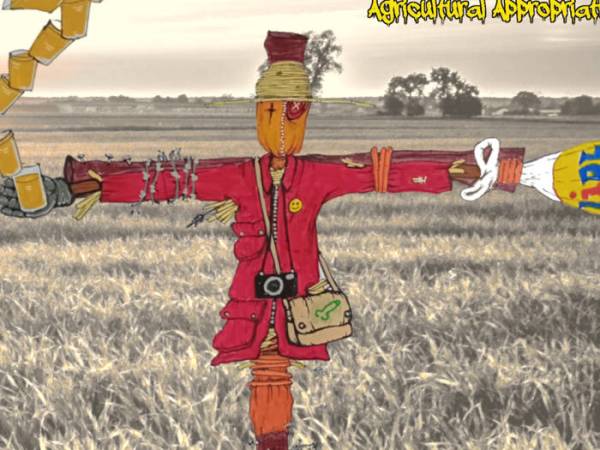
There’s no sophomore slump for Monkey Bizzle; prolific in their art, these rural chav-choppers return with a second album, Agricultural Appropriation, only five years and…
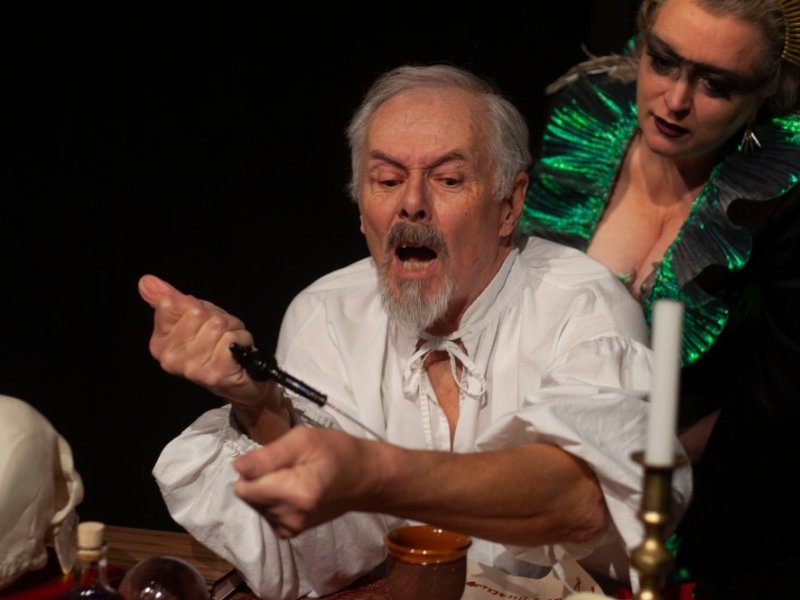
Featured Image:@jenimeadephotography Just another rainy Saturday afternoon in Devizes, whereby I watched a profound fellow dramatically sacrifice himself to the devil, then popped to Morrisons…
Stone Circle Music Events announced today that all proceeds of CrownFest will be donated to Wiltshire Hope & Harmony’s Dementia Choir. CrownFest is an all-day…
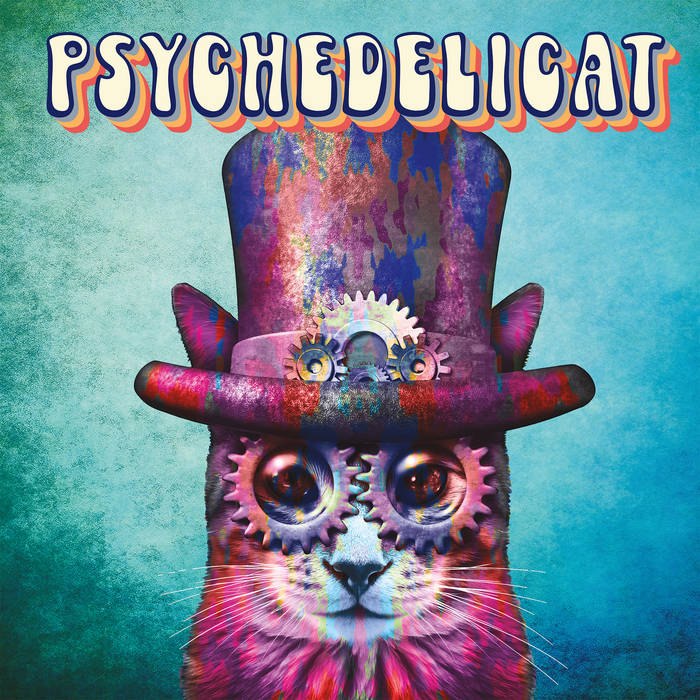
What is a psychedelicat, a tin of magic mushroom flavoured Felix?! His picture on the tin certainly displays some suspiciously dilated pupils, but this exaggeration maybe just artistic licence for commercial purposes. In any case, they’re not as dilated as the kitty on the cover of a new album by Marvin B Naylor and Rebsie Fairholm, a Gloucestershire-Hants duo who operate under the pseudonym Psychedelicat; justice sufficient to take a listen……bring out the lava lamp……
Because, a kindly Manchester chap who was always sending me seriously outrageous noises he dubbed “psychedelic” has finally got the message. I don’t mean to be unfair, but music, whether it be as described, a mess of every known subgenre since rock n roll, or not, it must have harmony and melody, or it is borderline industrial noise. Seriously, listen to it under the influence of a single aspirin will likely find you gripping onto the sofa suffering a psychotic episode!
I felt he lacked the concept of psychedelia, for it is surely supposed to be benign, calming and mellowed, inducing a positive karma, rather than a full-blown Cheech and Chong fashioned freak out. On the other hand, when Marvin sent us the opening track of this album, Like a Delicate Psychedelicat, called Ark, as a submission for our Julia’s House compilation, while I was impressed, I wouldn’t have branded it psychedelic; mellowed and beautiful, but nothing particularly Sgt Pepper about it.
So, in the dark wee hours in a village on my milk round, I wedged the air-pods in with the illusion it wouldn’t be half as psychedelic as it said on the tin, especially with this Anthony Burgess approved cat on the cover, the pet of Alex or his droogs. But the glorious Mike Oldfield chimes and reeling soft vocals of Marvin and Rebsie of Ark are merely characteristics of the anticipation of an LSD trip, and before long I was beginning to suspect another milkman had dropped some liberty caps into my travel-mug of tea!
By track two, Steer by the Stars, you begin to obtain the illusion that you might not be in total control of your own mind, as you would if indulging in hallucinogens, without actually having to. That’s the exquisiteness of this, it’s a beautiful journey, to Itchycoo Park. Unlike the excruciating juxtaposition of random noises of our Manchester friend, this just flows gorgeously, like the perfect mellowed trip. If I go AWOL now, they’ll likely find me swaying cross-legged on the village green with flowers in my hair like it was some 1969 San Francisco love-in! “Oi, where’s my pint of semi-skimmed?”
“Like, hey, man, just, like swirling among the milky way, tee-hee; come, sit, can you see it?!”
A pipes and acoustic guitar instrumental flows for the next couple of minutes, then the soothing vocals of Rebsie returns for Green Adieu, to make The Byrds sound like death metal! “Don’t be deceived by the opening track-Ark,” Marvin messaged me far too late, I’m horizontal now, “there are several different styles!”
With a delicate beating drum, Icy Window is trippy, as we move positively from beatnik to hippy, to the sounds of the renaissance. It’s the little chimes and swirly effects amidst the tunes which exhales this impression of underground counter culture of yore, yet still there’s more going on. Sixteenth century triple-time dance shanty unexpectedly comes into play, with a version of John Dowland’s Captain Digorie Piper His Galliard, which Marvin describes as “complete with a psychedelic freak-out, and lots of harmony singing throughout,” akin to what The Horses of the Gods are putting out.
This is an accomplished eleven track strong album in which Marvin and Rebsie are clear on their approach, and if it’s lost in time against everything since the rise of punk, I suspect that is precisely the aim. As Like a Delicate Psychedelicat settles to a conclusion, you are immersed in its gorgeous portrayals of pliable soundscapes, lost in its forest of musical delights. Of harpsichords, twanging guitar on Promenading to the ambient finale, Bright Hucclecote, the only issue with this superb album for the counterculture bohemian of yore, is what to listen to afterwards.
Drained of inspiration, there’s a comedown on the horizon; abruptly you cannot connect the dots of your modest explanation for the meaning of life involving a dreamcatcher and some leftover twigs, and hey, who dumped that milk-float in the middle of Stonehenge?!
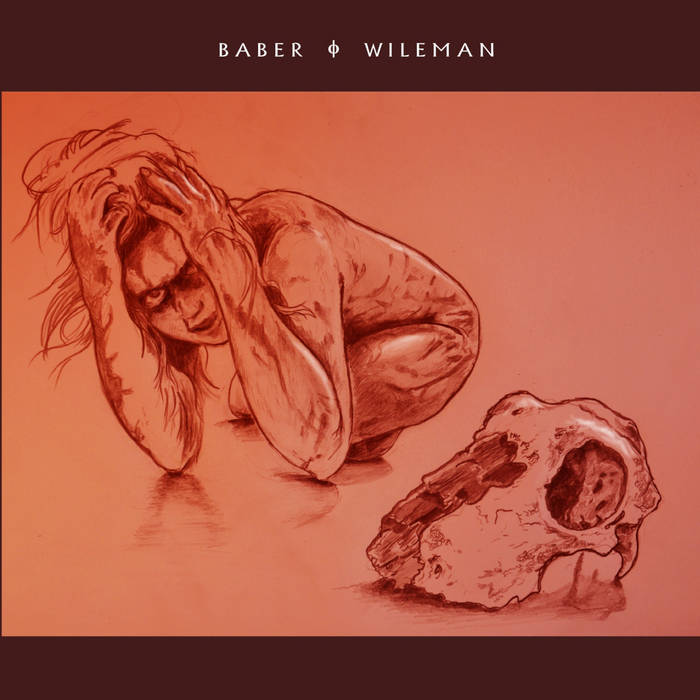
Meditatively strap yourself into a comfy recliner, as under his pseudonym Karda Estra, Swindon’s prolific experimental virtuoso Richard Wileman is in collaboration with Sanguine Hum keyboardist Matt Baber for an album taking their names as the title, Baber-Wileman. It’s released tomorrow (Monday 10th Jan 2022) on Kavus Torabi’s Believers Roast label.….
Under his own name, Richard projects acoustic folk songs, yet never without fascinating instrument experimentation, yet as Karda Estra soundscapes of surreal gothic and cosmic compositions evoke mood as a film score should.
With a pungent fusion of Zappa and Canterbury influenced instrumental compositions, Sanguine Hum was formed a decade ago from the ashes of the Joff Winks Band and the Antique Seeking Nuns. Known for complex ensemble work, reflective song-writing and distinctively striving instrumental pieces, Sanguine Hum’s defining characteristics owes much to Matt’s keys, who released his first solo album, Suite for Piano and Electronics on Bad Elephant Music in 2018.
The pair first met at RoastFest in 2011, where Sanguine Hum were performing, and soon afterwards, Matt and Richard did their first collaboration track, Mondo Profondo 1, which appeared on the Karda Estra album Mondo Profondo.
Returning to the studio together towards the end of 2020, initially intending to put a couple of tracks down, the sessions went so well, they continued co-composing through 2021 and the project evolved into this album, which is chilling me to the bone.
Richard’s long-time vocal and clarinet player Amy Fry also guest appearances on three of the nine enchanted tracks. At times, like the finale, The Birth of Spring, this sounds like it could’ve been recorded on a light dewed grassy knoll, under a troll bridge of a Tolkienesque landscape, at others a Kling Klang type Düsseldorf studio towards the end of the seventies, but the steam of this melting pot perpetually reeks of influences further and wider.
With Matt’s clear progressive-rock influence, tracks like Passing Wave and the penultimate Day Follows Night, hold woozy psychedelic swirls of a Hawkwind free festival, yet the classical piano concertos of Claude Debussy ring through interludes like Three Audio Slow and 2009.
It’s a wonderous journey, mellowly twirling through gorgeously uplifting, sometimes haunting soundscapes, as ambient as The Orb, as methodically composed as Mike Oldfield, as peculiar as The Art of Noise, as moody electronically progressive as Tangerine Dream, and melodically unruffled as Jefferson Airplane.
The second tune, after Karda Estra-fashioned haunting intro, sounding like a spooky film score by William Orbit, Souvenir is vocally a prime example of the folk-rock influence of Jefferson Airplane, but only a slight segment of styles blended here, of which the magnum opus of the album, Emperor combines all aforementioned elements sublimely. This one is as Mike Oldfield created Primal Scream’s Higher Than the Sun from Screamadelica; yeah, it’s that beautiful, all too beautiful!
Find a Richard Wileman track on our compilation album!
An absolutely spellbinding new electronica jazz-blues single out this week, of which I’d expect nothing less from what I believe to be one of Wiltshire’s most underrated bands, Salisbury’s Timid Deer, and produced by the brilliant Jason Allen.
With a grand piano opening, their evocative part-indie-part-trip hop ambience is accomplished to a new standard here, with Naomi Henstridge’s both soothing yet haunting vocals embracing howling strings and, wow, this rolling piano. It’s reflective of nineties nu-cool, the brilliance of Morcheeba or Portishead, yet without so much inspired of acid jazz or trip hop to make it cliché, rather it’s owning this refreshing edge to appeal to the more guitar-laced indie fans, too.
Run, their first single since February’s Crossed Wires, and they never cease to amaze me. This is cooler than the climate outside, just beautiful. “Here’s something we’ve been working on for what feels like an age,” Timid Deer say, finishing by saying they’re aiming for a new EP early in New Year, and for some Salisbury gigs, but I say no, please gig organisers, let’s get these guys aiming much further afield too; we need to see you in Devizes (Deborah Bufton Barnett, Ian Hopkins and Phil Moakes, I’m talking to you, make my Christmas wish come true!) Trowbridge, (Mr Moore) too!
And yes, Find Timid Deer with 45 other amazing artists on our 4 Julia’s House Compilation by clicking here!
Christmas has come early for foxes and normal humans with any slither of compassion remaining, as the government announced the righteous move to ban trail…
Chippenham folk singer-songwriter, M3G (because she likes a backward “E”) has a new single out tomorrow, Friday 19th December. Put your jingly bell cheesy tunes…
Wiltshire Music Centre Unveils Star-Studded New Season with BBC Big Band, Ute Lemper, Sir Willard White and comedians Chris Addison and Alistair McGowan revealing their…
Daphne’s Family & Childhood Connection to Devizes Celebrations of Daphne Oram have been building in London since the beginning of December, for those in the…
Part 1: An Introduction March 1936: newlywed French telecommunications engineer Pierre Schaeffer relocates to Paris from Strasbourg and finds work in radio broadcasting. He embarks…
Yesterday Wiltshire Council published an “update” on the lane closure on Northgate Street in Devizes as the fire which caused it reaches its first anniversary.…
Join the St John’s Choir and talented soloists for a heart-warming evening of festive favourites, carols, and candlelit Christmas atmosphere this Friday 12 th December…
I once reviewed a cassette with a photocopied punk-paste zine style picture of Mr Blobby as the cover, where a distraught male voice screeched, “take an overdose, ginseng!” continuously over some white noise. Thank heavens that’s in a long-lost past!
Fortunately, I’ve never had anything quite so bizarre to review since, not even this week when, Erin Bardwell messaged; “one of the drummers I do things with, Matty Bane, has a side duo project and wanted to let you know about their latest album.”
Sure, I’ve heard of Matty, seen him listed as one of Erin’s collective, trekking with them to Jamaica in 2003 to record with Recoldo Fleming at Dynamic Sounds. Further research shows he’s drummed in Bad Manners for over ten years, and is now part of Neville Staple’s From the Specials setup, headhunted from days as part of the Special Beat tour with the original rude boy.
Given this, I was naturally expecting said side-project to be reggae, stands to reason. What might’ve eased the surprise was to have pre-known of Matty’s own band The Transpersonals, a minimalistic, psych-rock outfit lounging somewhere between Pink Floyd and Spaceman 3. Still, nothing was going to prep me for what I got; We Wish you Health by Horses of the Gods.
There’s only one reason for facetiously mentioning the eccentric Mr Blobby cassette, because this is unusual too. The likeness ends there, though. “Bizarre” can connote excruciating, as with the cassette, but, as with We Wish you Health, can also imply uniquely stimulating and inimitably disparate. So much so, it’s astonishingly good. For those seeking the peculiar, those at their happiest dancing barefoot in Avebury’s morning dew, or for whom reaching the summit of Glastonbury Tor before sunrise is priority, will adore this, with jester’s bells on.
Matty teams up Mike Ballard, a media and games lecturer with a penchant for folk. And essentially this is what we ought to pigeonhole Horses of the Gods as; Somerset folk, is as near in modern terminology you’re going to get. But for comparisons I’m going to have to max my flux capacitor way beyond my usual backtracking.
If I relish in music history without the technical knowledge, I understand one has to either accept four-time pop, or untrain their ear to acknowledge other musical metres, in order to appreciate folk, classical, even jazz, but particularly the kind of sounds We Wish you Health is embracing. There’s something medieval, least pagan mysticism about the influences here, of shawms and hand-cranked hurdy-gurdies, miracle plays, and Gallican chants of plainsong. And it’s swathed with chants and poetry as if in variant West Country Brittonic tongue.
We have to trek beyond futurist Francesco Balilla Pratella’s Art of Noises theory, to an olden ambience of nature, of birdsong, storms and waterfalls. The opening track starts as a spoken-word toast and ends akin to medieval court jester entertainment, over a haunting chant. Equally passe but equally amicable is a sea shanty called Down in the Bay. Then a clocktower chime follows; left wondering if this was Dark Side of the Moon recorded in 1648. Sow In uses mellowed hurdy-gurdy to mimic what the untrained ear might deem an Eastern ambience. With a solstice theme, it’s so earthy it makes the Afro-Celt Sound System sound like Ace of Base! (Joke; I love the Afro-Celt Sound System!)
In many ways the next tune Ostara follows suit, more eastern promise yet slightly more upbeat. Consider George Harrison’s collaborations with Ravi Shanker. As the album continues, experimentation with traditional abound, obscure instruments are thrown into the melting pot; the Victorian circus sound of The Thing and I, the rural west country ditty of Digger’s Songs, in which you can almost smell spilt scrumpy as folk rise from haystacks to jig.
Throughout you’re chopping randomly at influences, this medieval court running theme, blended with an oompah band styled sound on The Whole World Goes Around, will make you want bells on your shins like a drunken Morris dancer at the village fete. Else you’re haunted by the chill of evocative soundscapes, unable to pinpoint an era this falls into. I’ll tell you now, it was aptly released at Samhain last year.
We Wish you Healthmay be bespoke, and some wouldn’t give themselves adjustment time, yet Sgt Pepper and PetSounds were famed for pushing the boundaries of what is acceptable in contemporary pop. This is a fissure to the norm, a testimony of yore, for while there’s a demonstration of newfound passion within ancient realms, it is fundamentally timeless. Though I suspect there’s myth and history behind each track, which extends the album from a set of songs to a research project for the listener.
The finale, for example, has a reference in Wikipedia; John Barleycorn, a personification of the importance of sowing barley and of the alcoholic beverages made from it, beer and whisky. Though in the House of Gods, cider gets a mention. John Barleycorn is represented as suffering indignities, attacks and death that correspond to the various stages of barley cultivation. It goes onto reprint a Robert Burns version from 1782, though stating countless variations exist; Matty and Mike use an earlier version:
There was three men come out o’ the west their fortunes for to try, And these three men made a solemn vow, John Barleycorn must die, They ploughed, they sowed, they harrowed him in, throwed clods upon his head, Til these three men were satisfied John Barleycorn was dead.
I’ve rushed out this review to make you aware of it, and because I’m so utterly astounded by its uniqueness, but fear I’m only teetering on the edge of its fascinating historical references myself. Thus, is the general nature of folk music, to dig out lost fables which once would’ve entertained young and old, and bring them to new audiences, and The Horses of the Gods does this in such a way, the negative confines and stereotypes commonly associated with folk music just melt away.
This afternoon I find myself contemplating what the future holds for historical discovery and learning for all ages, fun and educational exhibits and events in…
Featured Image: Barbora Mrazkova My apologies, for Marlborough’s singer-songwriter Gus White’s debut album For Now, Anyway has been sitting on the backburner, and it’s more…
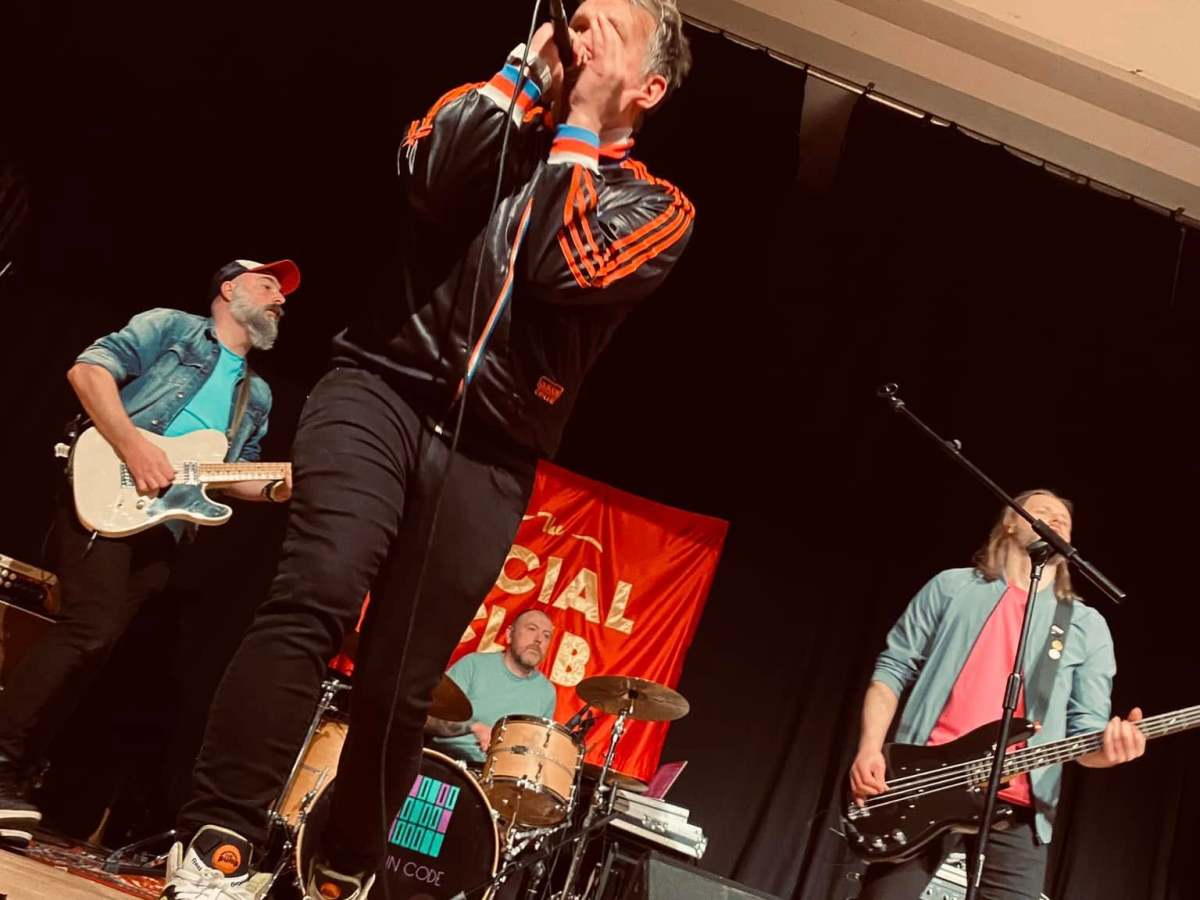
Having to unfortunately miss Devizes’ blues extravaganza on Friday, I crossed the borderline on Saturday to get my prescribed dosage of Talk in Code…with a…
No, I didn’t imagine for a second they would, but upcoming Take the Stage winners, alt-rock emo four-piece, Butane Skies have released their second song,…
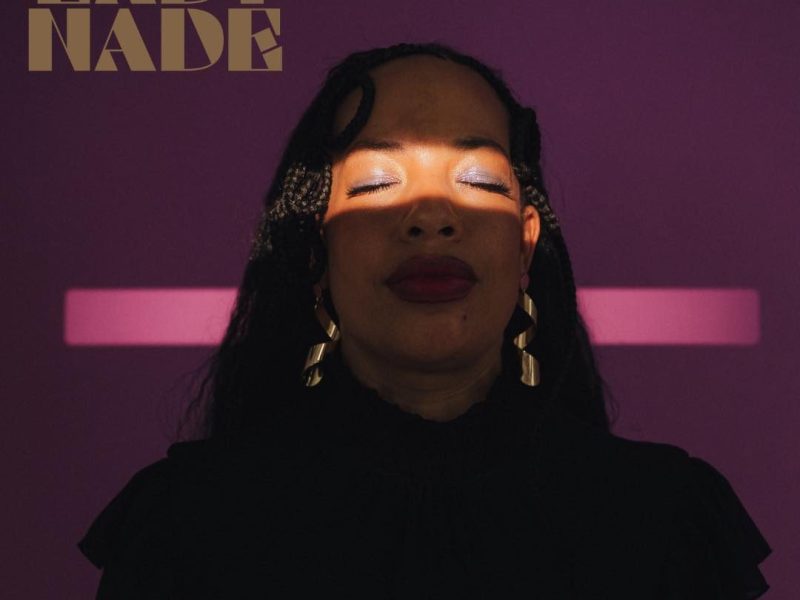
Featured Image by Giulia Spadafora Ooo, a handclap uncomplicated chorus is the hook in Lady Lade’s latest offering of soulful pop. It’s timelessly cool and…
Words by Ollie MacKenzie. Featured Image by Barbora Mrazkova. The creative process can be a winding, long, and often confusing journey. Seeing a project come…
Music technology bears a burden on the acoustic singer-songwriter, hopefully awaiting a practical gap in the market to sneak into the mainstream. Locked in the adolescent tantrum of the drum machine, pop charts of the late eighties were awash with electronica, hip hop, and the dawn of house, either this, or jean commercials revitalised sixties soul classics. Then, along came a short dreadlocked female singer, clasping her guitar.
Had Tracey Chapman arrived a decade earlier when Joan Armatrading was prevalent, the impact might not have had the same clout. As it was her appearance was exhilarating, a breath of fresh air, but seems sometimes acoustic artists are to pop charts as Christopher Lambert is to Highlander, there can be only one.
In 1998 David Gray’s self-released studio album, White Ladder looked as if it would be no more successful than his previous three. While renowned on the folk scene, Gray didn’t break the mainstream until its ATO re-issue in 2000. Perhaps we could speculate the charts of 98 was held hostage by Britpop, else the reign of rave was at its apex. People looked for something fresh for the millennium, and Gray’s folktronica found that gap.
Folktronica is a strapline, rather than subgenre. A causal grouping for fusing string instruments into electronic music, born at a time of public acceptance in hip hop. It was courageous, but a natural progression, and Gray was atop of the game, appearing in David Kane’s rom-com This Year’s Love, which he based a song around its title.
Like an Andy Warhol prediction, the sequel to White Ladder, A New Day at Midnight, failed to obtain the same critical acclaim, despite charting at the top, and whipping Pop Idol runner-up Gareth Gates’s debut album, which is enough for me! Exhaustion in the spotlight saw David Gray rest, and gradually fall into cult status, returning to the folk circuit.
At the millennium I was neither here nor there about David Gray. Yeah, I liked his charted songs, but entangled in denying rave had perished I sought heavier trip hop, or else a model folk formula; the two were strictly separate entities. It wasn’t until a near decade ago, reviewing a self-published book which suggested White Ladder was a revelation of pious significance, that I gave second thought to David Gray, and just how good the album was. Mind you, the flimsy autobiographical plot continued onto how, under hypnosis, the author turned out to be an incarnation of Cleopatra, so it all had to be taken with a pinch!
This is the culprit, the reason I’ve been knocked for six by his new album, Skellig, released tomorrow (19th Feb 2021.) Naturally I expected it to be pretty awesome, but hadn’t fathomed how awesome. Astounded, on continuous play and taking me on a journey for the best part of this week, I confirm its ambient, acoustic gorgeousness.
If last year’s twentieth anniversary of White Ladder saw a deluxe edition launched, but a subsequent tour cancelled due to the pandemic, Skellig counteracts; it is simply perfection for isolation, though written prior. The elements of folktronica are even more subtle than previously, with just a hint they set the scene, welcoming a sparser, shared soundscape with the atmospheric songs focussing around six-part vocals with Gray trading his signature gravel for a softer tone; mega-bliss. Though, a sense of shingle develops vocally as the album reaches a conclusion, not at Dylan level, but adjacent.
Skellig takes its name from a formation of precipitous rocky islands off the coast of Co. Kerry, the most westerly point in Ireland. Ravaged by the Atlantic, the seemingly un-inhabitable location of Skellig Michael became an unlikely site of pilgrimage in 600AD for a group of monks, who believed leading such a merciful existence, they would leave the distraction of the human realm to be ultimately closer to God.
Gray asks for no literal translation of the above, nor prescribes any religious allegiance; the story, told to him by a friend, has haunted his imagination ever since: “The more I contemplated the idea of a small group of people landing on those rocks and establishing a monastic life there, the more overpowered I became by a dizzying sense of awe. How close to God could you possibly wish to get? Life must have been unbelievably hard for them and trying to fathom the deep spiritual conviction that compelled them to escape the mediaeval world led me to acknowledge my own deepest longings to be free of all the endless human noise that we now so readily accept as being such an inescapable part of our day to day lives. Dreams of revelation, dreams of a cleansing purity, dreams of escape. Ideas that I think almost any 21st century person shouldn’t find it too hard to relate to!”
A notion which saw Gray gather his team and venture to the Scottish Highlands to live out the creation of the record. In the significant of this backstory, Skellig paints a picture with sound akin to Gogh’s Starry Starry Night. You can sense the sea crashing into the rocks of a barren Irish landmass, hear the haunting echo through the draughty halls of a desolate monastery, through multi-layered vocals, delicate Celtic guitar picks and morose piano solos.
Written astutely and with maturity in comparison to White Ladder, subjects twist dejection into uplifting awe. Carried by a singular baritone guitar, the opening title track bobs on an ocean like a chantey, familiarising you with how it’s going to go down. From there on it free-flows thirteen tracks of blissful enchantment. While listening I noted the songs seemed short, but in checking most weigh over the four-minute mark, proof how engrossing Skellig is. Lost in its splendour it comes to a masterful finale with the graceful, All That We Asked For And More; which sums up the album perfectly. A ten from me!
Who’s ready for walking in the winter wonderland?! Devizes sets to magically transform into a winter wonderland this Friday when The Winter Festival and Lantern…
One part of Swindon was in perfect harmony last night, and I don’t mean the traffic circumnavigating the Magic Roundabout. Rather The Lost Trades were…
Raging expressions of angered feminist teenage anguish this month, perfectly delivered by Steatopygous via their mindblowing debut album Songs of Salome, I hail as the…
It’s nice to hear when our features attract attention. Salisbury’s Radio Odstock picked up on our interview with Devizes band Burn the Midnight Oil and…
One portion my nostalgia rarely serves, and that’s my once veneration for spacey sounds, apexed through the ambient house movement in the nineties, but not comprehensively; we always had Sgt Pepper, Pink Floyd and Hendrix’s intro to Electric Ladyland. I’ve long detached myself from adolescent experimentation of non-licit medications, lying lone in a dark bedroom chillaxing to mood music, and moved onto a full house of commotional kids; progress they call it.
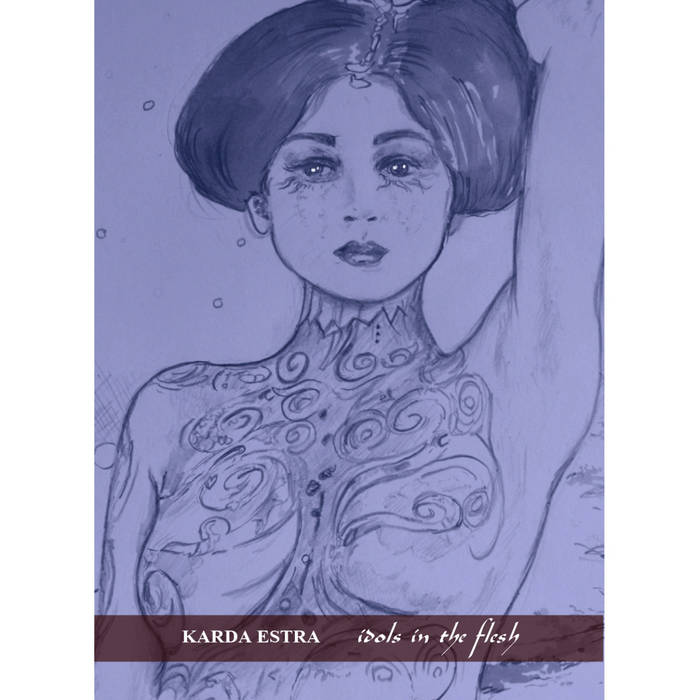
Incredibly prolific, Swindon’s composer Richard Wileman might yet stir the memories, if these headphones drown out the sound of a nearby X-Box tournament. Best known for his pre-symphonic rock band Karda Estra, there is nothing vertical or frenetic about his musical approach. Idols of the Flesh is his latest offering from a discography of sixteen albums. Yet far from my preconceptions of layers of decelerated techno, as was The Orb or KLF, or psychedelic space-rock moments of my elders, which our own Cracked Machine continue the splendour of, Richard’s sounds with Karda Estra bases more orchestrally, neo-classical, as if the opening of a thriller movie. Though, so intense is this sound you need no images to provoke you.
Idols of the Flesh is dark and deeply surreal, with swirls of cosmic and gothic hauntings which drifts the listener on a voyage of bliss. Nirvana is tricky to pinpoint in my household, but with my ears suctioned to my headphones I jumped out of my skin upon a tap on the shoulder, daughter offering me some sweets! Momentarily snapped back in the room as if I’d surfaced from a hypnotist’s invocation, but aching to fall backwards into it once again.
Agreeably, this is not headbanging driving music, neither does it build like Leftfield for those anticipating beats to start rolling after a ten-minute intro, it simply drifts as a soundscape, perhaps coming to its apex at the eloquently medieval church organed Church of Flesh, one of two named tunes out of the six on offer, the others given part numbers. Then, with running water, the final part echoes a distant chant of female vocals as if a wind blowing across a sea for another eleven minutes, it’s stirring, incredibly emotive and perfected.
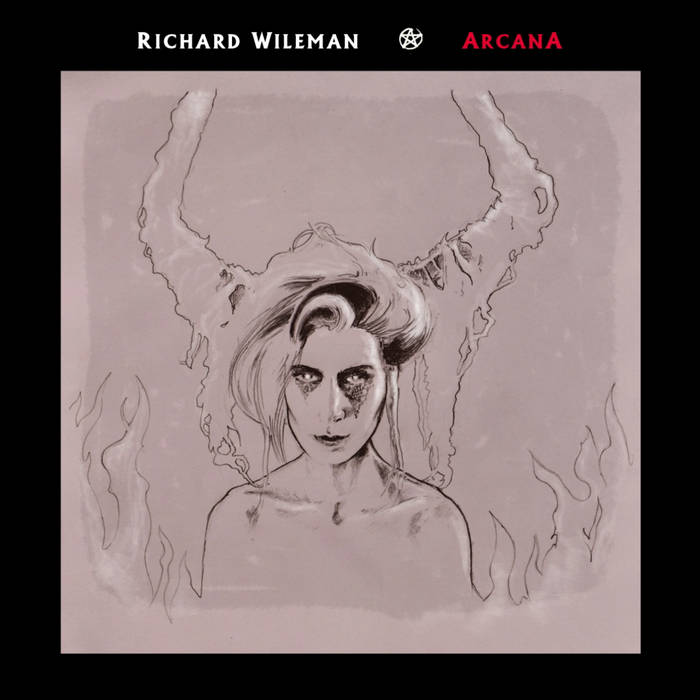
Along a similar, blissful ethos Richard Wileman served up Arcana in September this year, a third album this time under his own name. While maintaining a certain ambiance, it’s more conventional than his Karda Estra, more attributed to the standard model of popular music. It’s an eerie and spectral resonance, though, with occasional vocals which meander on divine folk and prog-rock; contemporary hippy vibes, rather than timeworn psychedelia. Released on Kavus Torabi’s Believers Roast label, a sprinkling of Byrds and Mamas & Papas ring through with an unmistakable likeness to a homemade Mike Oldfield. When vocals come into effect, with one guest singer Sienna Wileman, it’s astutely drafted and beguiling.
Select anything from the bulging discographies of Karda Estra or Richard Wileman and you’re onto a mood-setting journey, composed with expertise and passion. If ambient house is lost in a bygone era, this is reforming the balance of atmospheric compositions with modernism, so mesmeric it remains without the need for intoxication. Now, where did I stash my old chillum?! Probably in a dusty box in the loft with my Pete Loveday comics and some Mandelbrot fractal postcards….
Don my headphones, chillax with a cider, and prepare my eardrums for a new album from our local purveyors of space-rock goodness; Cracked Machine is a wild ride….
There are few occasions when mellowed music truly suspends me in the moment, when it just exists in the air like oxygen and totally incarcerates and engulfs my psyche. Jah Shaka and ambient house rascals the Orb both achieved this a couple of dusks at Glastonbury, but the same with likewise happenings, I confess I was intoxicated on matter maturity caused me to long leave in my past!
The issue for any reborn psychedelic-head is pondering the notion, will it ever be the same again, will music and art tease my perception to quite the same degree. The sorry answer is no, unless your intransigent mate slips something in your drink. Yet it’s not all despair, with a sound as rich and absorbing as Cracked Machine, it’s doable without drugtaking shenanigans.
They proved this at the most fantastic day in Devizes last year, which was that bit more fantastic, when what was intended to be a bolt-on feature became the highlight of DOCA’s Street Festival. Funded and arranged by Pete and Jacki of Vinyl Realm, the second stage highlighted everything positive about local music; a historic occasion we’ll be harking on for some time yet. I nipped away briefly after Daydream Runaways stole the early part of the day. But where the lively indie-pop newcomers had roused the audience, I returned to witness a hypnotised crowd and a mesmerising ambience distilling the blistering summer air. Smalltalk was numbed, as if the area was suspended in time. A doubletake to confirm we were still perpendicular, sitting in deckchairs or slouching against a wall on the corner of Long Street and St Johns and not slipped through a time vortex to a Hawkwind set at a 1970 free-party love-in. I was beyond mesmerised, but not surprised.
For this is how it was with their impressive 2017 debut album, I, Cosmonaut, the soundscapes just drifted through me, as I causally drafted the review, reminding me of a smoky haze of yore, giggling in a mate’s bedroom, listening to Hawkwind’s Masters of Universe. Youth of my era though, were subjected to electronic transformation in music, which would soon engulf us. Rave culture cut our space-rock honeymoon short, though, Spaceman 3 were a precursor to the ambient house movement of the Orb, Aphex Twin and KLF, others changed their style, like Frome’s Ozric Tentacles merging into Eat Static, and a perpetually changing line-up for Hawkwind appeased the older rock diehards.
I love I, Cosmonaut, it manages to subtly borrow from electronica and trance, only enough to make it contemporary, but keep it from being classed as anything else other than space-rock. I felt their second album, The Call of the Void avoided this slice of Tangerine Dream, and submerged itself totally in the hard rock edge; bloody headbangers! Therefore, it’s a refreshing notion to note newly released Gates of Keras bonds the two albums and sits between them perfectly.
Again, there’s little to scrutinise as it rarely changes, it meanders, trundles me to a world beyond wordplay, as these completely instrumental tracks roll into one another, gorgeously. A Deep Purple styled heavy bass guitar may kick it off, yet the opening track Cold Iron Light takes me to the flipside of Floyd’s Meddle, with seven and half minutes of crashing drums and rolling guitar riffs. Temple of Zaum continues on theme, Ozrics-inspired funkier bassline, and we’re off on the drifting journey, splicing subtle influences. The Woods Demon, for example, stands out for particularly smooth almost Latino guitar riff, making it my personal fave. Yet Move 37 is heavier, upbeat, like the second album. Low Winter Sun is sublime blues-inspired, imagine Led Zeppelin created Satisfaction rather than the Stones, if you will.
Recorded back in November, this is eight lengthy soundscapes of pure bliss, and will guarantee you a safe trip. A signature album for a lonely lockdown of dark, yet emersed in a time of Tolkien-esque vibes and mandelbrot set fractal posters. If this was released in the mid-seventies-to early-eighties every spotty teenager would be inking their army surplus school bag with a biro-version of Cracked Machine’s logo. As it is, age taking its toll and all, I have no idea if this still happens, but doubt it. None of that matters, here is a matured era of the genre, only with a glimpse of how it once was. Nicely done.

















































 devizine.com